
February Revolution (1917) — End of the Russian Monarchy
Mass uprising in Russia in 1917 that forced Tsar Nicholas II to abdicate, led to a Provisional Government and set the stage for the later Bolshevik takeover.
Overview
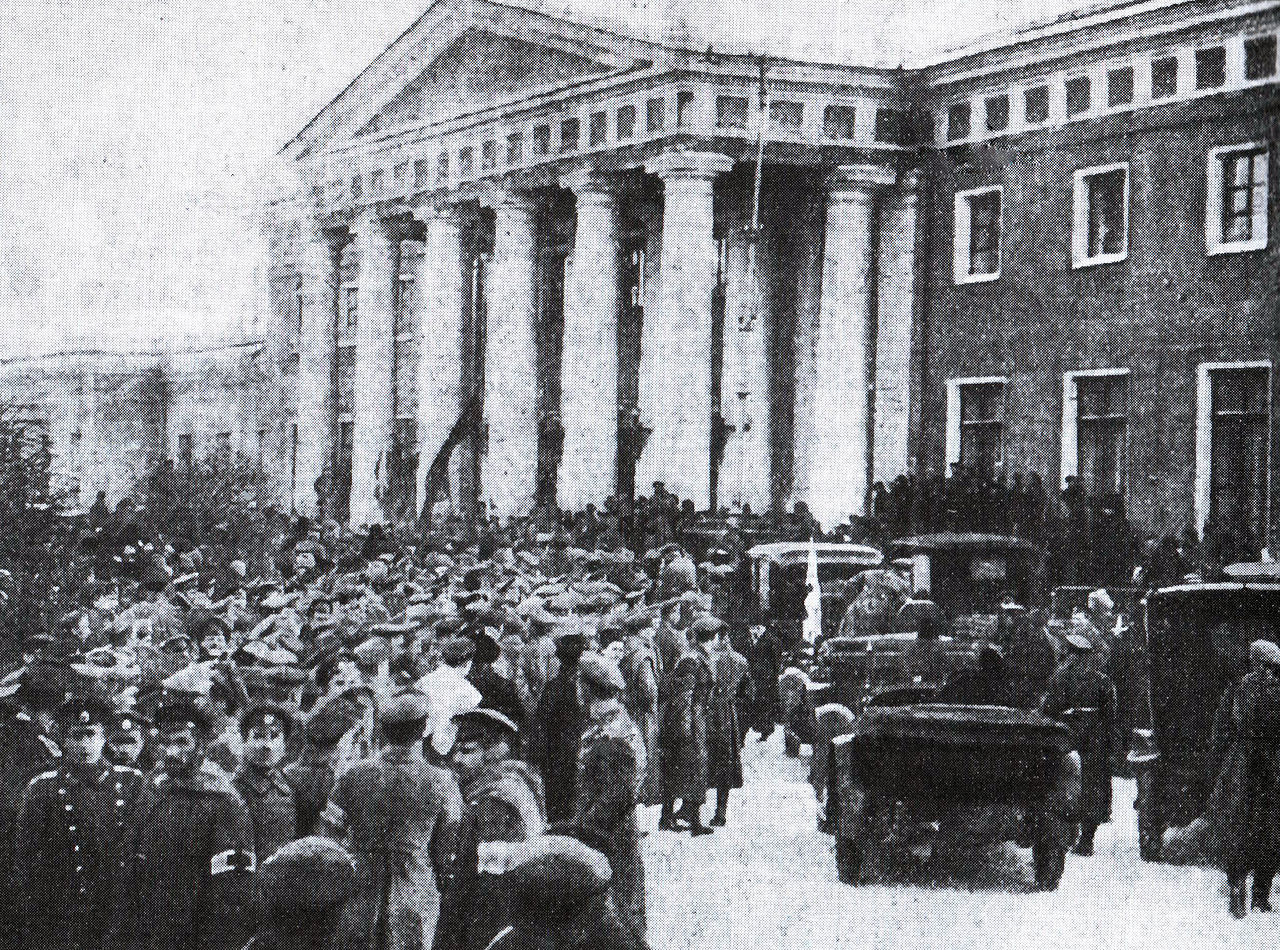
The February Revolution, called Февральская Революция in Russian, took place in 1917 and brought an end to the autocratic rule of the Romanov dynasty. It was a popular and military uprising that toppled the monarchy of the Russian Empire and replaced imperial authority with a temporary civilian administration, the Provisional Government. The event is widely regarded as the opening chapter of the wider Russian Revolution.
Image gallery
10 Images




Causes and context
Several interlinked problems created fertile ground for unrest. Long-term social and political grievances combined with acute crises brought on by World War I. Military defeats, massive casualties and a strained supply system worsened conditions at the front. At home there were severe economic and social hardships: food shortages, inflation, overcrowded cities and labor unrest. These pressures alienated both civilians and many soldiers, eroding loyalty to the Tsar and to the state.
Course of events
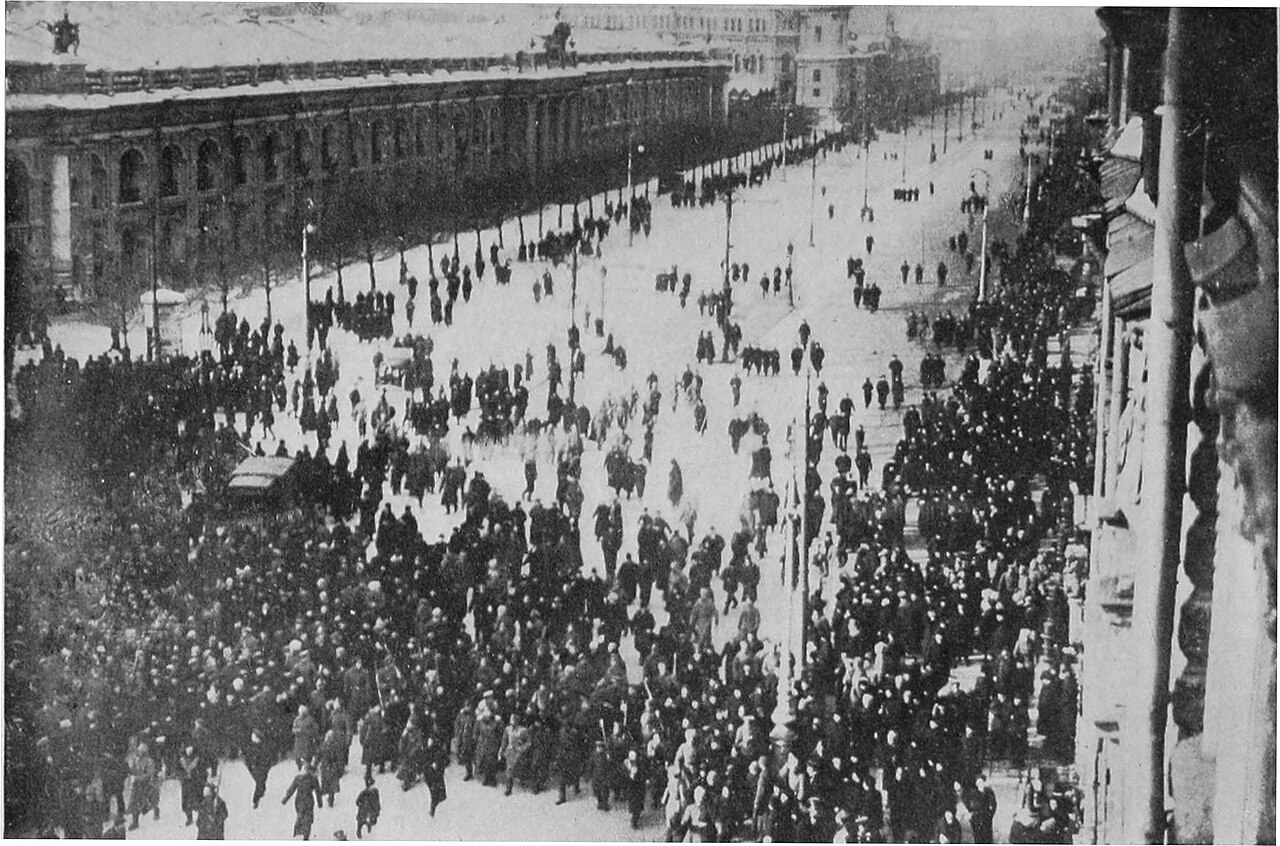
- February (old style) demonstrations began with strikes and protests in Petrograd, initially including women factory workers marking International Women's Day.
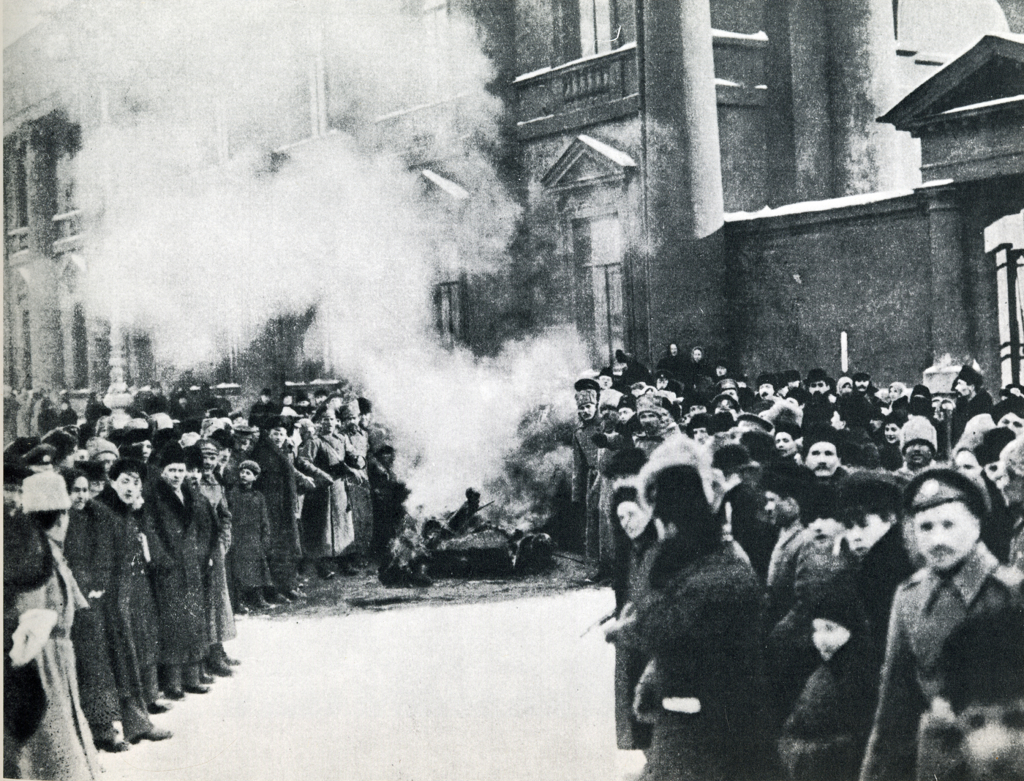
- As crowds swelled, clashes with police and gendarmes intensified and the capital's garrison increasingly refused orders to fire on demonstrators.
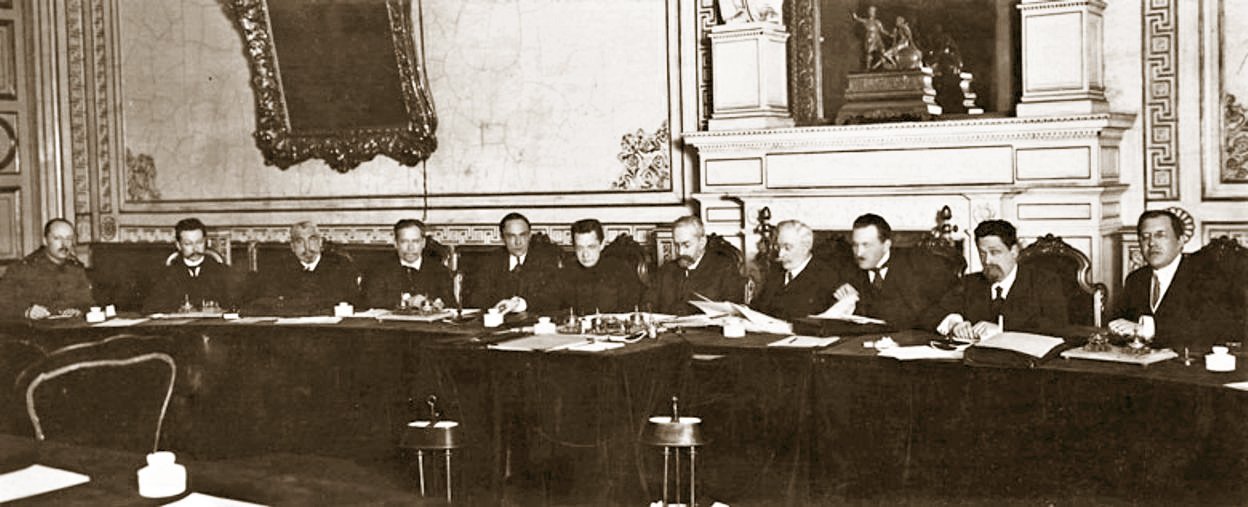
- With authority collapsing, political elites and the military pressured Nicholas II to abdicate; power passed to a coalition that formed the Provisional Government.
Consequences and significance
The revolution removed the emperor and established a fragile dual power arrangement between the Provisional Government and workers' and soldiers' councils. Although it aimed to introduce liberal reforms and continue the war effort, unresolved demands from the population — especially on land, peace and bread — persisted. Those unmet expectations helped radicalize politics and paved the way for the Bolshevik-led uprising later the same year.
Notable facts and distinctions
The February uprising was not initially a socialist takeover: it united a broad spectrum of social groups and political parties with diverse goals. It is distinguished from the later October Revolution by being largely spontaneous and rooted in immediate grievances rather than a single party seizure of power. For further reading on the revolution's terminology and timeline see general histories and primary-document collections on the revolution and the collapse of the Russian Empire.
Because the revolution unfolded during wartime and amid rapid political change, historians continue to debate the relative weight of structural causes versus contingent decisions by leaders and commanders. Contemporary sources and later scholarship provide multiple perspectives on why the monarchy fell in 1917 and how the short-lived Provisional Government attempted to respond to the crisis left by World War I and the long-standing problems of the Russian Empire.
For introductions and primary documents consult online guides and archives that collect eyewitness accounts, official proclamations and analyses of the February events and their aftermath; these resources typically summarize the uprising's stages and its impact on Russian and world history (monarchy, Tsar, Nicholas II).
Questions and answers
Q: What was the February Revolution?
A: The February Revolution of 1917 was a revolution that ended the monarchy in the Russian Empire.
Q: Who was replaced by the provisional government?
A: The Tsar, Nicholas II, was replaced by the provisional government after the February Revolution.
Q: What was the significance of the February Revolution?
A: The February Revolution marked the beginning of the Russian Revolution.
Q: What were some of the problems that led to the February Revolution?
A: The problems that led to the February Revolution included economic and other hardships caused by World War I, which caused tension among the people.
Q: What was the outcome of the February Revolution?
A: The outcome of the February Revolution was the end of the monarchy in the Russian Empire and the establishment of a provisional government.
Q: When did the February Revolution take place?
A: The February Revolution occurred in 1917.
Q: What was the Russian Revolution?
A: The Russian Revolution was a period of political and social upheaval in Russia that began with the February Revolution in 1917 and ended with the October Revolution later that year.
Related articles
Author
AlegsaOnline.com February Revolution (1917) — End of the Russian Monarchy Leandro Alegsa
URL: https://en.alegsaonline.com/art/33816