
Fear of Needles (Needle Phobia, Trvpanophobia) — Overview and Treatment
Needle phobia is an intense fear of medical injections or related procedures. This article covers symptoms, causes, history, treatment approaches and impacts on health care and public health.
Needle phobia refers to an excessive, persistent fear of medical injections, blood draws or other procedures that involve needles. Clinically it is most often described as a subtype of specific phobia and appears in literature under several names, including trypanophobia, belonephobia and related terms. People with this fear may experience anxiety, panic, avoidance of medical care and in some cases fainting. For a general definition of a phobia see phobia, and for information on needles and injections see needles and injections. Some population studies from the United States and elsewhere report prevalence figures in the single-digit to low-double-digit percentage range; one commonly cited estimate is around 10% of adults in the U.S. American surveys, though exact rates vary by study.
Image gallery
2 Images
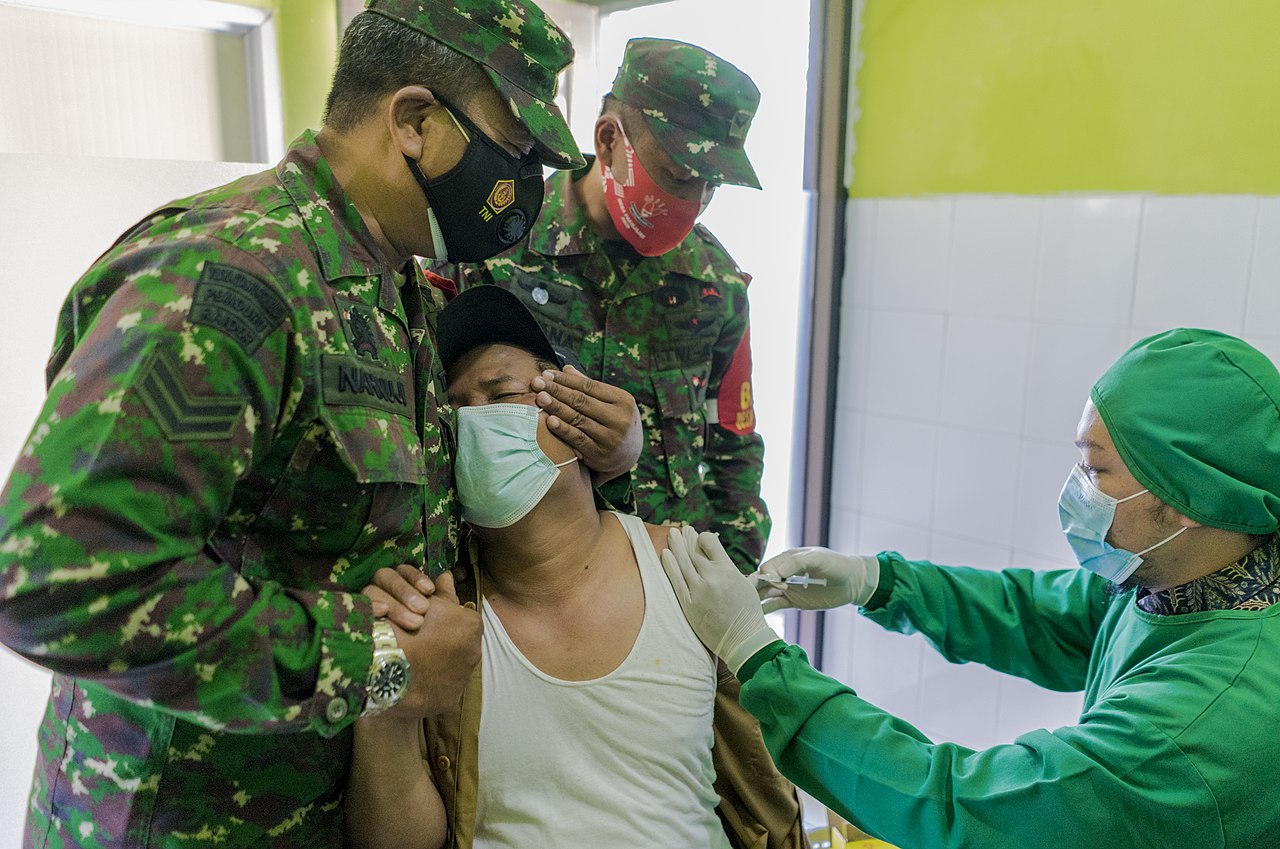
Characteristic symptoms and physiological responses
Symptoms can be psychological, behavioral or physiological. Common psychological signs include intense dread at the thought of an injection, catastrophic thinking and a strong urge to escape. Behavioral signs are avoidance of vaccinations, blood tests or dental work. Physiologically, people with the blood-injection-injury (BII) subtype often show a distinct biphasic response: an initial rise in heart rate and blood pressure followed by a sudden drop leading to dizziness or fainting (vasovagal syncope). Other bodily reactions include trembling, sweating, nausea and shortness of breath. Severity varies from mild discomfort to panic attacks and complete refusal of care.
Causes and risk factors
The development of a needle phobia may involve a combination of factors. Traumatic personal experiences (for example, a painful or frightening childhood injection), learned behavior from family members, and genetic predispositions to anxiety can all play a role. The BII subtype’s fainting tendency appears to have a physiological component that can run in families. Cultural and informational influences — such as media portrayals or misinformation about medical procedures — may also reinforce fear and avoidance.
Treatment approaches
Effective treatments focus on reducing avoidance and changing the fear response. Common approaches include:
- Exposure therapy: Gradual, controlled exposure to needles or related stimuli to desensitize the fear response.
- Cognitive-behavioral therapy (CBT): Techniques to reframe catastrophic thoughts and teach coping skills.
- Applied tension: A behavioral method to prevent fainting by teaching muscle-tensing strategies that maintain blood pressure during exposure.
- Practical measures in clinical settings: Topical anesthetics, distraction techniques, numbing sprays, repositioning, and short-acting sedatives for severe cases.
Impact and importance
Needle phobia has real-world consequences. Avoidance of injections and blood tests can delay diagnosis, reduce vaccination uptake, limit participation in blood donation, and complicate routine medical care. During public health campaigns — for example, mass vaccination programs — needle fear can reduce coverage and requires targeted communication and accommodation strategies. Clinicians are encouraged to recognize signs of severe fear and to offer preparatory information, supportive techniques or referral to mental health providers when necessary.
Distinctions and notable facts
Not all fear of needles is identical: some people experience generalized anxiety at medical settings, while others have a specific phobia focused only on injections. The vasovagal fainting response is a distinguishing feature of the BII subtype. Many people benefit from relatively brief, focused interventions and practical adjustments, and public health efforts often include training for health staff to reduce distress and improve cooperation.
For further reading about related anxiety conditions and practical guidance on managing needle fear, consult clinical mental health resources or patient information from trusted health services. Reliable overviews and guidance can aid both individuals and providers in reducing the medical, psychological and public health costs of this common fear.
See also
- Blood phobia
Questions and answers
Q: What is the medical term for fear of needles?
A: The medical term for fear of needles is Belomophobia.
Q: What are some other terms used to describe fear of needles?
A: Other terms used to describe fear of needles include aichmephobia and belanophobia.
Q: Can belanophobia also refer to a fear of sharply pointed objects in general?
A: Yes, belanophobia can also refer to a more general fear of sharply pointed objects.
Q: When was fear of needles recognized as a phobia?
A: Fear of needles was recognized as a phobia in 1994.
Q: What percentage of American adults have a fear of needles?
A: It is estimated that at least 10% of American adults have a fear of needles.
Q: Is it possible that the actual number of people with fear of needles is larger than 10%?
A: Yes, it is likely that the actual number of people with fear of needles is larger than 10%, as the most severe cases are never documented due to the tendency of the sufferers to avoid all medical treatment.
Q: What is the fear of needles called in medical literature?
A: In medical literature, fear of needles is usually called needle phobia.
Related articles
Author
AlegsaOnline.com Fear of Needles (Needle Phobia, Trvpanophobia) — Overview and Treatment Leandro Alegsa
URL: https://en.alegsaonline.com/art/33769
Sources
- pubmed.ncbi.nlm.nih.gov : 7636457