
American Airlines Flight 77 and the Pentagon attack (September 11, 2001)
American Airlines Flight 77 was hijacked on September 11, 2001 and deliberately flown into the Pentagon. This article summarizes the aircraft, timeline, casualties, aftermath, and the Pentagon Memorial.
Overview
American Airlines Flight 77 was a regularly scheduled transcontinental morning service operated by American Airlines between Washington Dulles International Airport and Los Angeles International Airport. On September 11, 2001, the aircraft serving that flight — a Boeing 757-223 — was seized by a group of hijackers and intentionally crashed into the western side of the Pentagon. The incident formed one part of the broader September 11 attacks that day.
Image gallery
10 Images




Aircraft, crew and hijackers
The flight departed Dulles carrying passengers, crew and five individuals who took control of the plane. According to investigation findings, the group was affiliated with the Islamist extremist network commonly identified as al-Qaeda. The hijackers moved passengers toward the rear of the aircraft within the first hour of flight, and one of them, Hani Hanjour, who had flight training, is believed to have been at the controls when the plane crashed.
Sequence of events
- The flight climbed and proceeded westbound after takeoff from Dulles; routine service took place in the early minutes.
- Less than 35 minutes into the flight, hijackers forced their way into the forward cabin and redirected the crew and passengers to the back of the aircraft; at least some crew and passengers were restrained or threatened.
- Several passengers and crew members were able to place telephone calls or send messages from the aircraft to family and authorities, reporting the hijacking and describing events on board. Among those who made calls was passenger Barbara Olson, who spoke with relatives and the wife of a senior official; her husband, Theodore Olson, served as the U.S. Solicitor General (office).
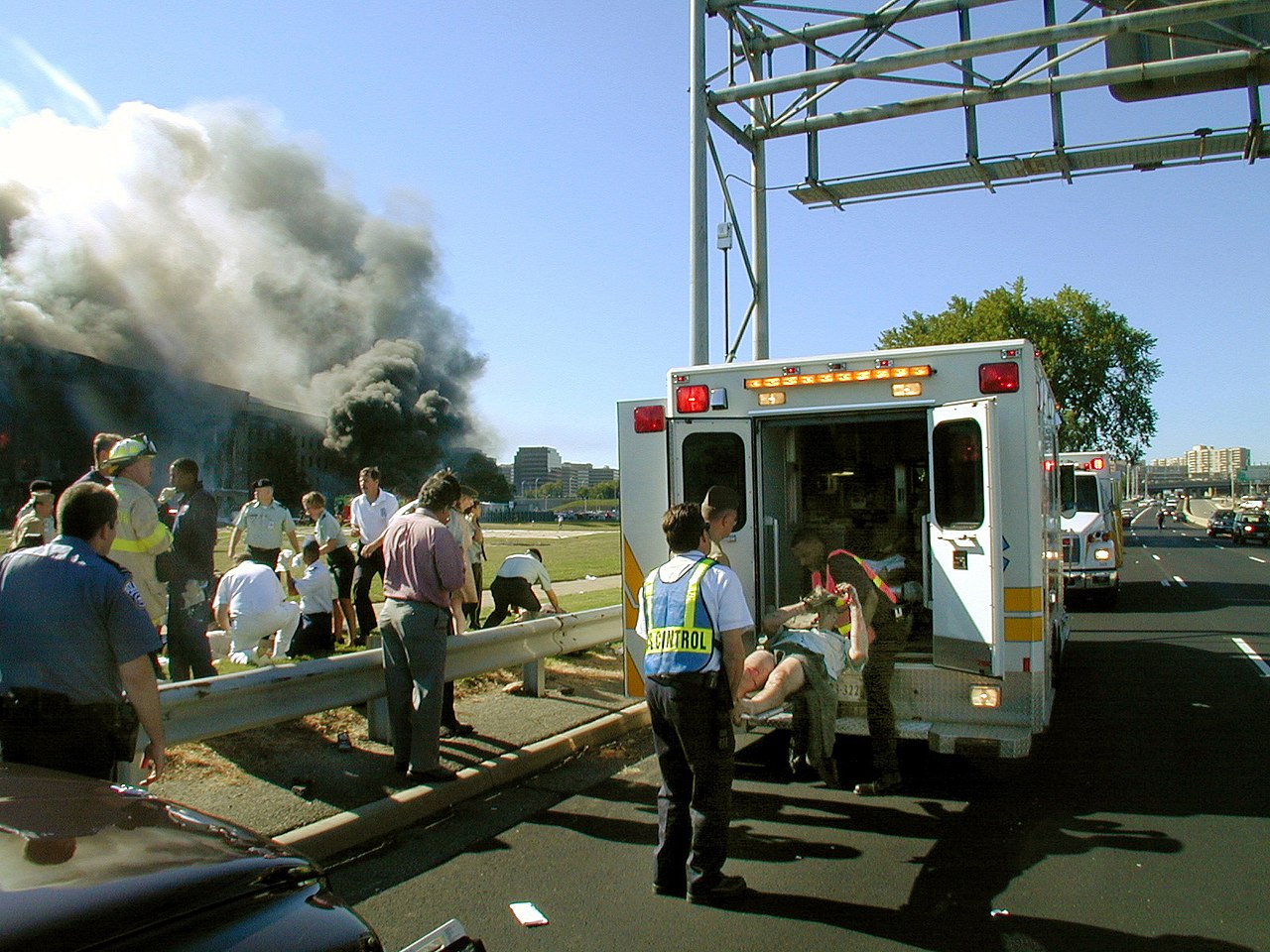
- At 09:37 a.m. Eastern Daylight Time the aircraft struck the western facade of the Pentagon in Arlington, Virginia, producing a large impact, extensive fire, and partial collapse of the affected section.
Casualties and immediate aftermath
All people aboard the aircraft, including the hijackers, were killed on impact. In addition, personnel working in the Pentagon were killed and many others were injured. Initial media reports began circulating within minutes of the event as witnesses, emergency responders, and federal officials described the scene and the unfolding rescue effort. The impact damaged office space and ignited fires that took firefighters many hours and days to fully extinguish and to stabilize the structure.
Recovery, rebuilding and memorial
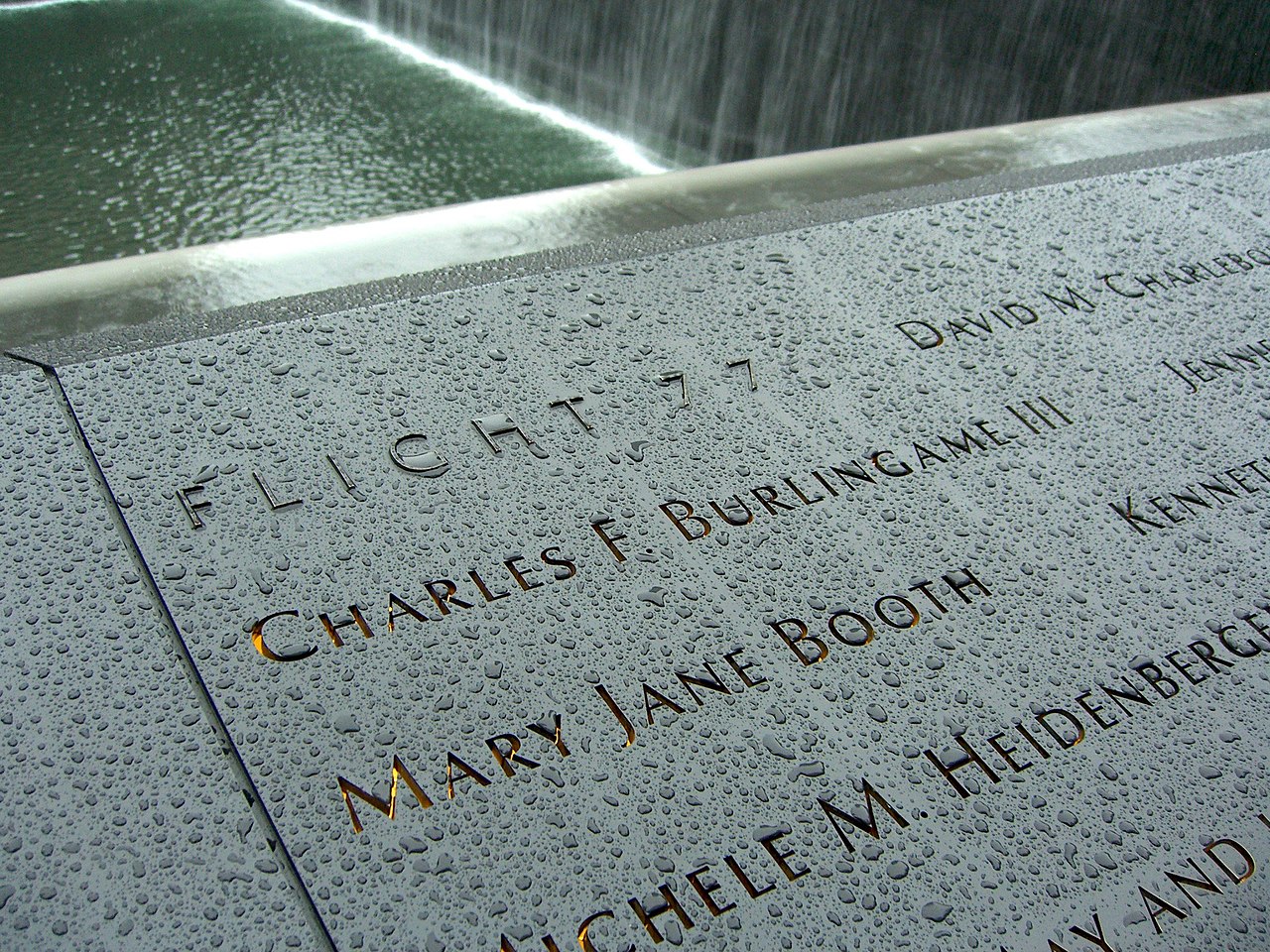
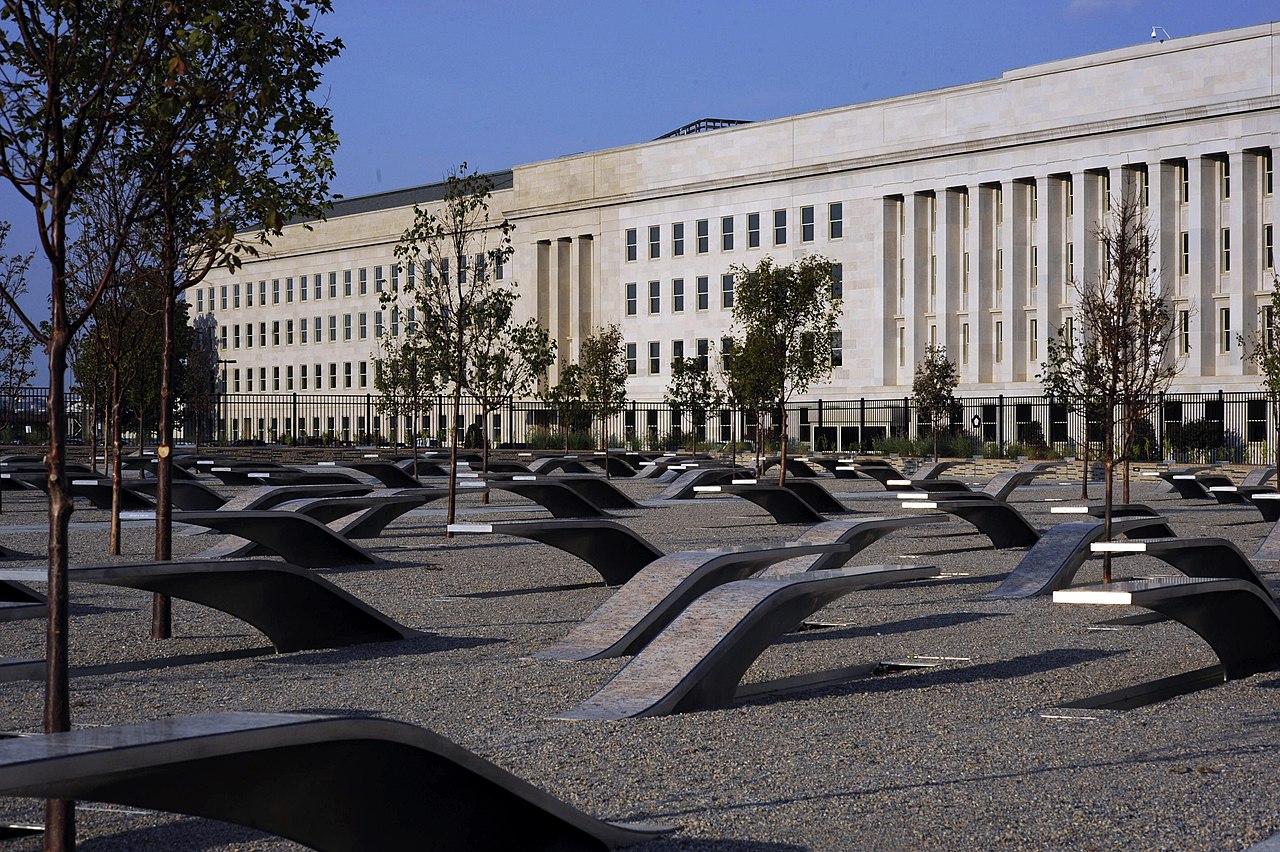
The damaged section of the Pentagon was repaired and rebuilt in the months following the attack; portions of the reconstructed area were returned to use in 2002. A dedicated outdoor site, the Pentagon Memorial, honors those who died as a result of the aircraft impact and the collapse. The memorial arranges individual dedications in a landscaped setting and presents commemorative elements that reflect the range of lives lost. The memorial recognizes the victims without including the hijackers, and it arranges the commemorative benches by the year of birth of those who died (birth-year range).
Notable facts and distinctions
- The attack on the Pentagon is often discussed alongside the other September 11 strikes because of its coordinated nature and timing.
- Investigations combined flight-record and witness evidence to reconstruct the timeline and actions on board; the cockpit recordings and recovered debris were analyzed in official inquiries.
- The names and remembrances of those lost in the Pentagon attack are listed and preserved in various official and public records and memorial sites (victim lists).
- Because the five hijackers were aboard the aircraft, some summaries distinguish between the total number of people on the plane and the number of victims commemorated in the memorial.
The events surrounding Flight 77 had immediate and long-term consequences for aviation security, federal building protection, emergency response planning, and national policy. They remain a subject of public record and continuing commemoration, and they are documented in official reports and numerous reliable accounts for those who seek further detail (hijacking overview, airport information, destination). For historical context, government investigations and independent research provide the most systematic reconstructions of the day and its aftermath; these sources are available through archival services and official publications (aircraft type, site, event).
The human stories from Flight 77—passengers who called from the plane, the families who lost loved ones, and the emergency workers who responded—remain central to how the incident is remembered. Profiles of individuals affected and the ongoing care of survivors and families are documented in public memorials, records, and survivor accounts as part of the wider historical record of September 11, 2001.
Questions and answers
Q: What was American Airlines Flight 77?
A: American Airlines Flight 77 was a transcontinental flight from Washington Dulles International Airport in Virginia to Los Angeles International Airport in California.
Q: On what day did the plane get hijacked?
A: The plane got hijacked on September 11, 2001.
Q: Who were the hijackers of the plane?
A: The hijackers of the plane were five al-Qaeda terrorists.
Q: How long into the flight did the hijackers take control of it?
A: The hijackers took control of the plane less than 35 minutes into the flight.
Q: Did any passengers make phone calls during this time?
A: Yes, some passengers on board made telephone calls to loved ones and others to tell them what was happening on the plane while they were unaware.
Q: When did the aircraft crash into Pentagon?
A: The aircraft crashed into Pentagon at 0937 EDT on September 11, 2001.
Q: What is located next to Pentagon in honor of those who died in this attack?
A: Next to Pentagon is a 1.93-acre park containing a bench for each victim that died in this attack, ordered by their years of birth ranging from 1930 (aged 71) to 1998 (aged 3).
Related articles
Author
AlegsaOnline.com American Airlines Flight 77 and the Pentagon attack (September 11, 2001) Leandro Alegsa
URL: https://en.alegsaonline.com/art/3358