
Faiyum (Fayum) — Oasis city and governorate capital in Middle Egypt
Faiyum is an ancient oasis city southwest of Cairo, capital of Faiyum Governorate. Known for its fertile basin, Lake Qarun, Greco-Roman mummy portraits and the ancient cult of the crocodile deity Sobek.
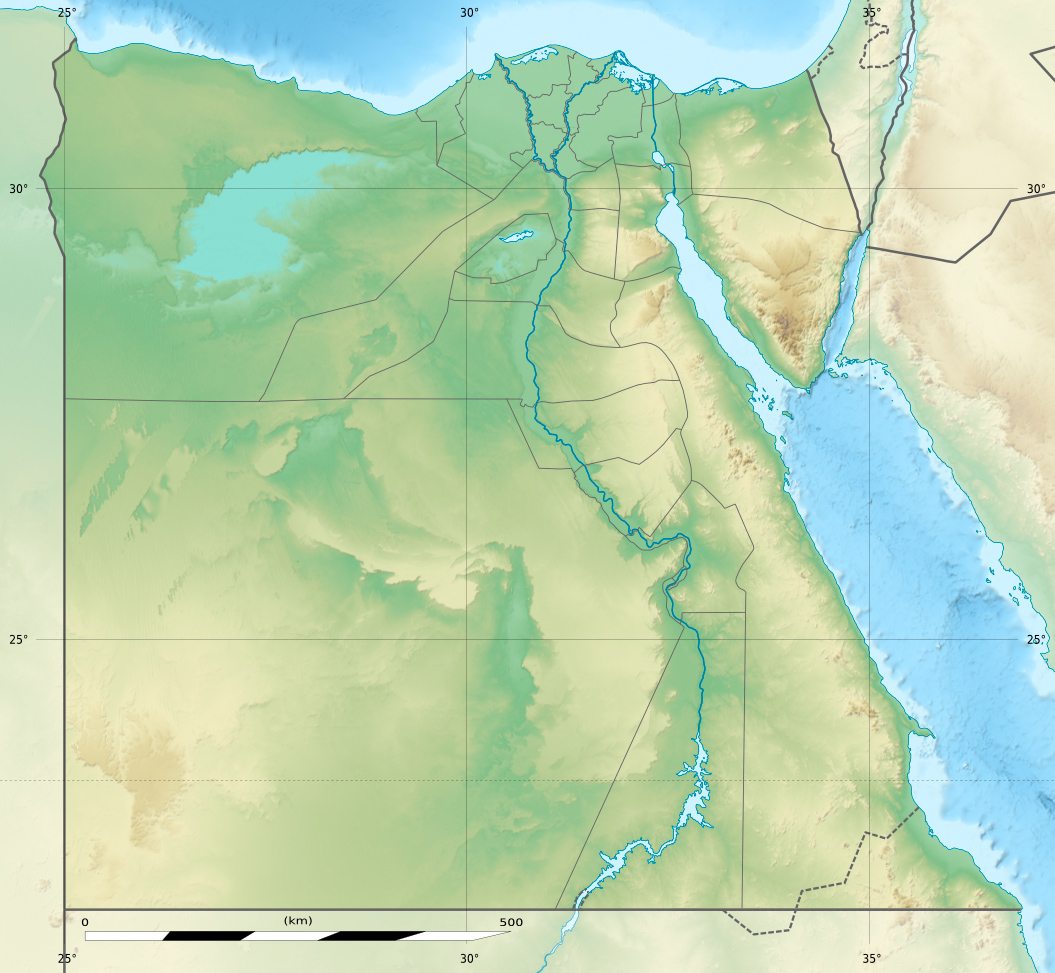
Faiyum (also spelled Fayum) is a historic city and the administrative center of Faiyum Governorate in Middle Egypt, located about 100 kilometres southwest of Cairo. The modern city lies within the Faiyum Oasis, a depression that contains agricultural land around a central salt lake now called Lake Qarun. The name appears in Arabic and Coptic traditions; see the Arabic page Al-Fayyum and the Coptic references at Coptic sources. For regional orientation, the city is often described in relation to Cairo.
Image gallery
10 Images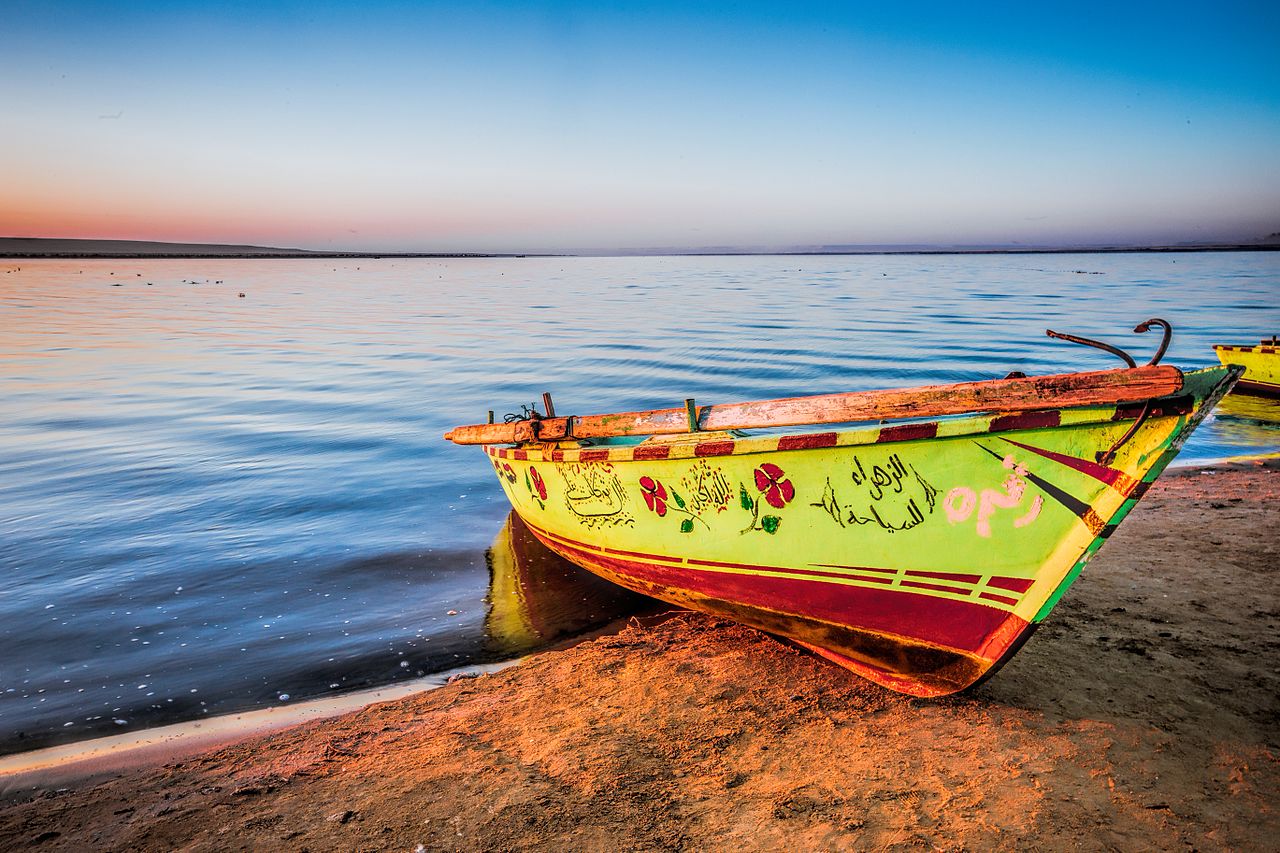




Geography and environment
The Faiyum Basin is fed by the Bahr Yussef, an ancient canal that diverts water from the Nile into the oasis system. This irrigation network transformed a desert basin into productive farmland producing cereals, dates, fruits and vegetables. Lake Qarun occupies the lower part of the depression; in antiquity it was a larger body of water often identified with the artificial or enlarged lake known as Moeris.
History and development
Faiyum is one of Egypt's oldest continuously inhabited areas. In Pharaonic times the main settlement was called Shedet and the oasis was distinguished by the worship of the crocodile god Sobek. Under the Greeks the city became known as Crocodilopolis and later, in the Ptolemaic period, it was refounded or renamed Arsinoe in honor of a Ptolemaic queen. The region flourished through the Greco-Roman era, when Hellenistic towns, agricultural estates and prosperous villas were common.
Archaeology, culture and art
Faiyum is renowned among archaeologists for its Roman-period funerary portraits — encaustic and tempera paintings attached to mummies that preserve realistic images of the deceased. Nearby archaeological sites include Karanis (Kom Oshim), Lahun and Hawara, which have yielded papyri, tombs and remains of Greco-Roman urban life. The area's long history makes it important for studies of continuity between Pharaonic, Hellenistic, Roman and Islamic Egypt.
Modern role and economy
Today Faiyum serves as an administrative, commercial and agricultural hub for the oasis. Local economies combine cultivation, date and citrus orchards, fishing in Lake Qarun and increasingly tourism connected to archaeological sites and natural scenery. Infrastructure improvements have linked the city more closely to Greater Cairo while preserving the distinctive landscape of the oasis.
Notable facts
- Ancient names: Shedet (Egyptian), Crocodilopolis (Greek), Arsinoe (Ptolemaic).
- Famous for the Faiyum mummy portraits, among the finest examples of ancient panel painting.
- The Bahr Yussef canal is central to the oasis’s irrigation and agricultural success.
Questions and answers
Q: What is Faiyum?
A: Faiyum is a city in the middle of Egypt.
Q: How far away is Faiyum from Cairo?
A: Faiyum is 100 kilometers (62 miles) away from Cairo.
Q: Where is Faiyum located?
A: Faiyum is located in the Faiyum Oasis.
Q: What is the capital of Faiyum Governorate?
A: Faiyum is the capital of Faiyum Governorate.
Q: What was Faiyum called in ancient Egypt?
A: Faiyum was called Shedet in ancient Egypt.
Q: What did the Greeks call Faiyum?
A: The Greeks called Faiyum Crocodilopolis or Krocodilopolis.
Q: What did the Romans call Faiyum?
A: The Romans called Faiyum Arsinoë.
Related articles
Author
AlegsaOnline.com Faiyum (Fayum) — Oasis city and governorate capital in Middle Egypt Leandro Alegsa
URL: https://en.alegsaonline.com/art/33310
Sources
- lonelyplanet.com : "Al Fayoum travel - Lonely Planet" · web.archive.org
- books.google.com : The Oxford Handbook of Roman Egypt
- en.climate-data.org : "Climate: Faiyum - Climate graph, Temperature graph, Climate table" · web.archive.org