
Eyjafjallajökull: glacier‑capped volcano in southern Iceland
Eyjafjallajökull is a glacier-covered stratovolcano in southern Iceland, known for explosive subglacial eruptions, jökulhlaups (glacial floods) and the 2010 ash plume that disrupted European air travel.
Overview
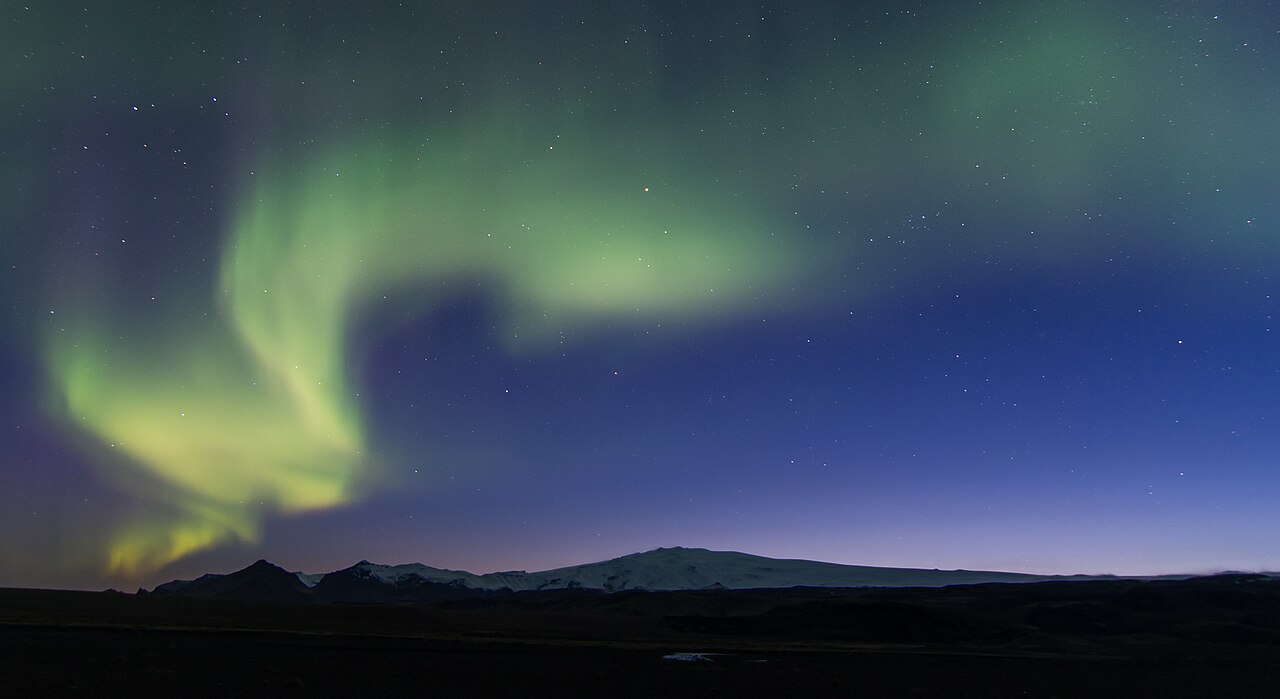
Eyjafjallajökull is a glacier-capped stratovolcano in southern Iceland. The name combines Old Norse elements and is often rendered in English with the approximate pronunciation Ei-ya-fyat-LA-yer-kitle. The mountain is notable both as a scenic part of the Icelandic highlands and as an active volcanic system whose eruptions interact directly with an overlying ice cap.
Image gallery
10 Images




Geology and landscape
The volcano lies beneath a permanent ice cap. When hot magma reaches the surface under the glacier, rapid melting produces large quantities of water that can lead to sudden glacial outburst floods (jökulhlaups). Eruptive activity produces ash, tephra and volcanic gases; in some eruptions magma fragmentation by water yields very fine ash that can be carried long distances by wind. Coastal change over centuries shifted the shoreline, leaving steep sea cliffs and waterfalls along the southern margin of the area.
Eruptive history
Historical records indicate eruptions in the early 19th century (around 1821–1822) that damaged grazing areas and caused livestock losses. In April 2010 an explosive subglacial eruption produced a high, fine ash plume that dispersed over much of northern and central Europe and interrupted air travel for several days. That event highlighted how subglacial eruptions can produce abundant respirable ash and trigger international aviation concerns.
Hazards and effects
Primary hazards associated with Eyjafjallajökull are ash fall, glacial floods, local tephra accumulation and hazards to infrastructure and agriculture. In historical events livestock losses were linked to contamination and to excess fluoride in vegetation and water, a known hazard when volcanic gases and ash interact with soils and plants. Ash also poses hazards to engines, electronics and respiratory health when concentrations are high.
Monitoring, preparedness and response
Icelandic geological and meteorological authorities maintain seismic, geodetic and visual monitoring networks to detect unrest and to warn communities. Monitoring focuses on seismicity, ground deformation, gas emissions and changes in the glacier surface. Authorities plan road closures and community evacuations when jökulhlaups or heavy ash fall threaten inhabited areas, and aviation authorities coordinate airspace restrictions when ash plumes reach flight levels.
Human and scientific significance
- Eyjafjallajökull is often referenced in discussions of how ice and magma interact and of the hazards of fine ash to aviation; see general resources on volcanoes.
- Local landscape features include coastal cliffs and scenic waterfalls formed by long-term erosion and former coastline positions.
- Historical accounts mention losses among cattle and sheep attributed to volcanic contamination and excess fluoride, a recognized mechanism of poisoning in grazing animals after eruptions.
Visitors to the region can observe glacial and volcanic landscapes when access is safe, but guided visits and official information should be followed during periods of unrest. For further reading consult general summaries on volcanology and authoritative updates from Icelandic monitoring agencies and aviation advisories.
Questions and answers
Q: What is Eyjafjallajökull?
A: Eyjafjallajökull is a volcano in Iceland.
Q: What is the meaning of the name "Eyjafjallajökull"?
A: The name "Eyjafjallajökull" means "island-mountains glacier".
Q: What was the south end of the mountain once a part of?
A: The south end of the mountain was once a part of the coastline of the Atlantic ocean.
Q: How much did the sea move south?
A: The sea gradually moved about 5km south.
Q: How many times has the volcano erupted?
A: The volcano has erupted several times in 1821 and 1822.
Q: Has any living being died because of the eruption?
A: Yes, some cattle and sheep died presumably because of fluoride poisoning.
Q: What kind of natural beauty surrounds the volcano?
A: The mountain is surrounded by beautiful steep cliffs and waterfalls.
Related articles
Author
AlegsaOnline.com Eyjafjallajökull: glacier‑capped volcano in southern Iceland Leandro Alegsa
URL: https://en.alegsaonline.com/art/33086