
Exxon Valdez oil spill (1989)
Grounding of the Exxon Valdez tanker in Prince William Sound, Alaska, in 1989 released millions of gallons of crude, severely affecting wildlife, prompting a large cleanup, litigation, and U.S. oil-spill reforms.
Overview
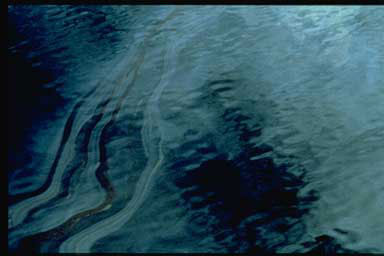
The Exxon Valdez oil spill was a major maritime accident that occurred on March 24, 1989, when the tanker Exxon Valdez struck a reef in Prince William Sound, Alaska. At the time, the vessel was carrying more than 53 million U.S. gallons of crude oil; roughly 10.8 million gallons were released into the sea, producing one of the largest human-caused environmental disasters in U.S. history. The incident drew immediate national attention and remains a reference point for oil-spill response and policy reform. For context it is commonly described as a shipping accident with extensive ecological and social consequences.
Image gallery
8 Images




Causes and immediate failure points
Investigations identified a mix of human and organizational factors. The ship had deviated from the established shipping lanes reportedly to avoid icebergs, and later collided with Bligh Reef. Contributing elements cited included crew fatigue, inadequate training, and lapses in onboard procedures. The response capacity at the time proved insufficient for a spill of this magnitude, revealing weaknesses in regional preparedness and coordination between private and government responders.
Environmental impact
The spill contaminated shorelines and open water, harming birds, mammals, and fish that are characteristic of the sound's coastal ecosystem. Immediate mortality and longer-term sublethal effects affected many species and local fisheries. Estimates of wildlife losses and habitat damage varied among studies; for example, tens of thousands of marine birds and thousands of marine mammals were reported impacted, and some fish populations experienced acute declines. Local communities that depended on commercial and subsistence resources were also disrupted. Concerns about damage to fragile ecosystems prompted multi-year scientific monitoring.
Cleanup methods and response efforts
Responders used a combination of techniques to remove and mitigate oil, including:
- mechanical recovery with skimmers and booms;
- controlled burning of surface oil in selected locations;
- application of chemical dispersants to break up slicks;
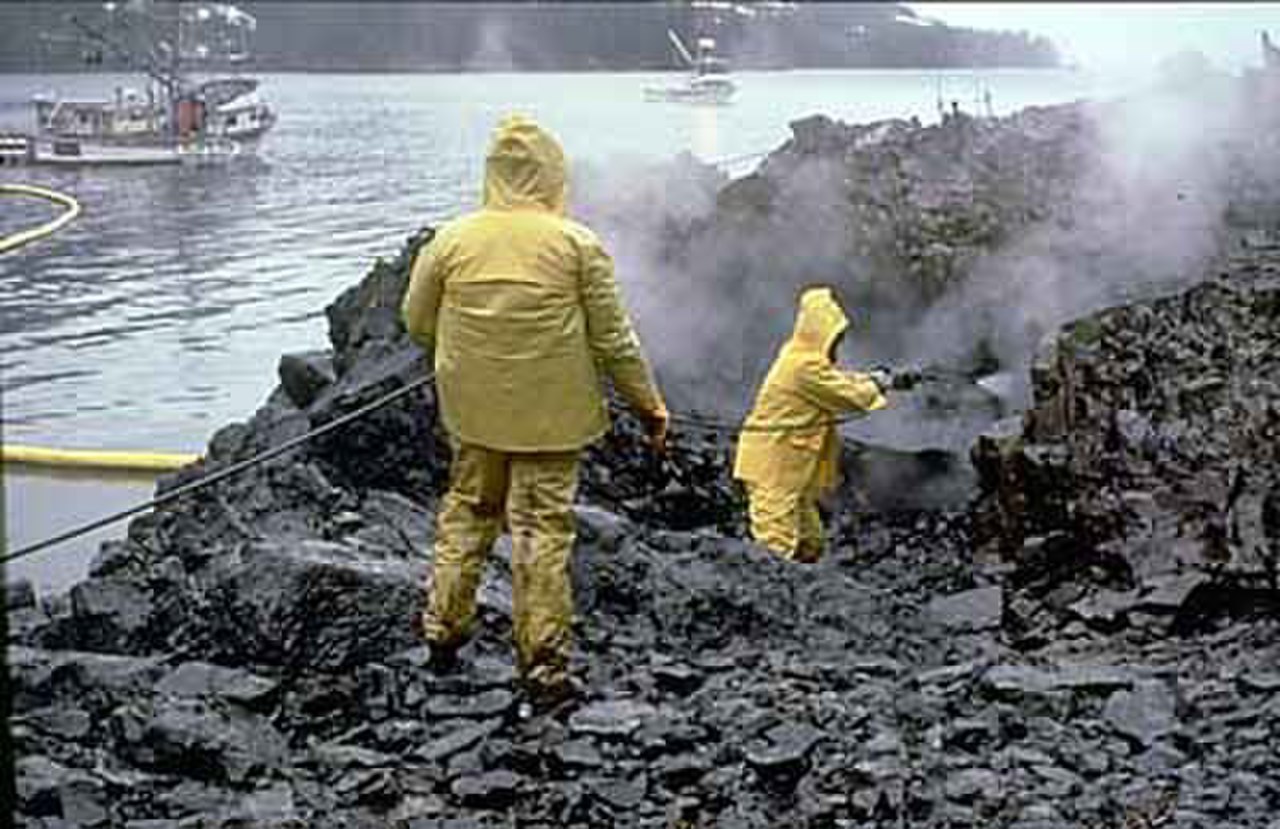
- manual shoreline cleaning and rehabilitation of affected wildlife.
Cleanup was technically challenging because oil reached remote, rugged shorelines and weather limited operations. Natural processes and targeted remediation together reduced visible oil over time, but some residues persisted in sheltered habitats for years.
Aftermath, litigation and policy changes
The spill triggered prolonged litigation between the company, affected communities, and governments. Legal proceedings and settlements continued for years, and some punitive awards were contested and later reduced in higher courts. Policy responses included strengthened regulation of tanker operations and liability, and the U.S. Congress passed comprehensive reforms that enhanced prevention, response planning, and liability provisions for oil pollution. These changes influenced how tankers are built, routed, and monitored in U.S. waters.
Notable facts and legacy
Beyond immediate damage, the Exxon Valdez incident became a landmark case for environmental risk management, emergency preparedness, and corporate accountability. It remains widely cited in discussions of maritime safety and marine conservation. For further background on related topics such as the vessel, legal history, and long-term studies, see resources on the region and historical accounts of the disaster (United States sources and specialized reports). Additional references include archived material on the spill volume and response (cargo volume), the nature of the oil spill, and navigation choices that led the ship off designated shipping lanes. More context about the navigational hazards of the area and specific contributing factors appears in technical reviews and incident summaries (ice and navigation, reef hazards, and operational analyses). Some contemporary accounts and analyses discuss estimates such as fish mortality numbers and the human response timeline (ecosystem studies). For a concise overview of the incident and its impacts consult authoritative summaries and archival resources (incident summaries, regional information, state reports).
Questions and answers
Q: When did the Exxon Valdez oil spill occur?
A: The Exxon Valdez oil spill occurred on March 24, 1989.
Q: What caused the Exxon Valdez oil spill?
A: The Exxon Valdez hit a reef in Prince William Sound, Alaska while it was off the shipping lanes due to icebergs.
Q: How many gallons of crude oil did the Exxon Valdez carry at the time of the accident?
A: The Exxon Valdez carried 53,094,510 U.S. gallons (44,210,430 imp gal/200,984,600 L) of crude oil at the time of the accident.
Q: How much oil was spilled in the Exxon Valdez oil spill?
A: The Exxon Valdez oil spill caused a spill of 10.8 million U.S. gallons (9.0 million imp gal/41 million L) into the Prince William Sound.
Q: What were some of the methods tried to clean up the oil spill?
A: Some of the methods tried to clean up the oil spill were burning, mechanical cleaning, and chemical dispersants.
Q: How did the Exxon Valdez oil spill affect the environment?
A: The Exxon Valdez oil spill badly damaged the ecosystems of the area, resulting in an estimated 21,300 fish deaths and sick birds that ate the fish.
Q: Why did the Exxon Valdez hit the reef?
A: The Exxon Valdez hit the reef because it was off the shipping lanes due to icebergs and never returned to the correct lane. Additionally, the people on board were badly trained and overworked.
Related articles
Author
AlegsaOnline.com Exxon Valdez oil spill (1989) Leandro Alegsa
URL: https://en.alegsaonline.com/art/33057