
Extermination through Labor
A coercive system in which detained people are forced into lethal work under deprivation and neglect; documented in twentieth-century regimes and examined in international human rights law.
Overview
Extermination through labor refers to policies or practices in which people detained by a state or other authority are compelled to perform extremely arduous or dangerous work while being denied adequate food, medical care, shelter and rest. The term highlights situations where forced labor is used not merely for economic exploitation but as a method by which detainees are exposed to conditions that predictably lead to severe illness, injury and death. Descriptions of such systems emphasize the combined effects of overwork, malnutrition, poor sanitation and lack of treatment.
Image gallery
4 Images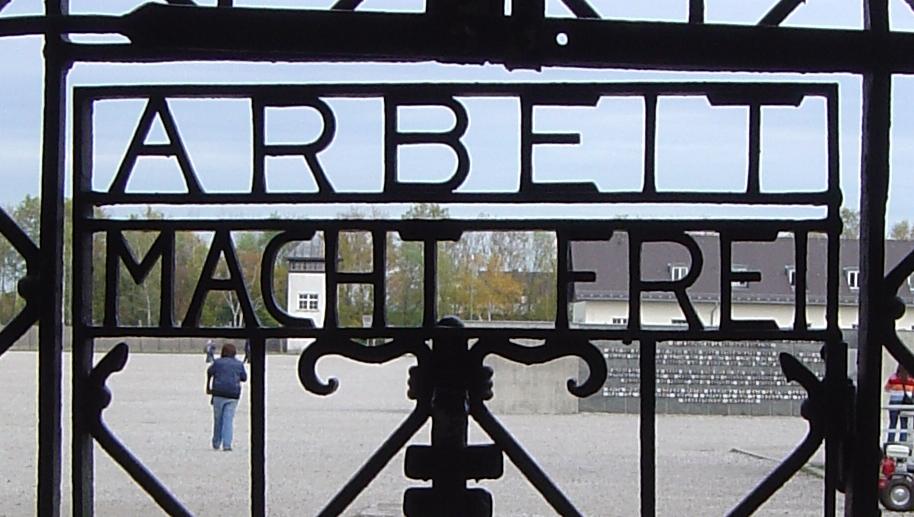

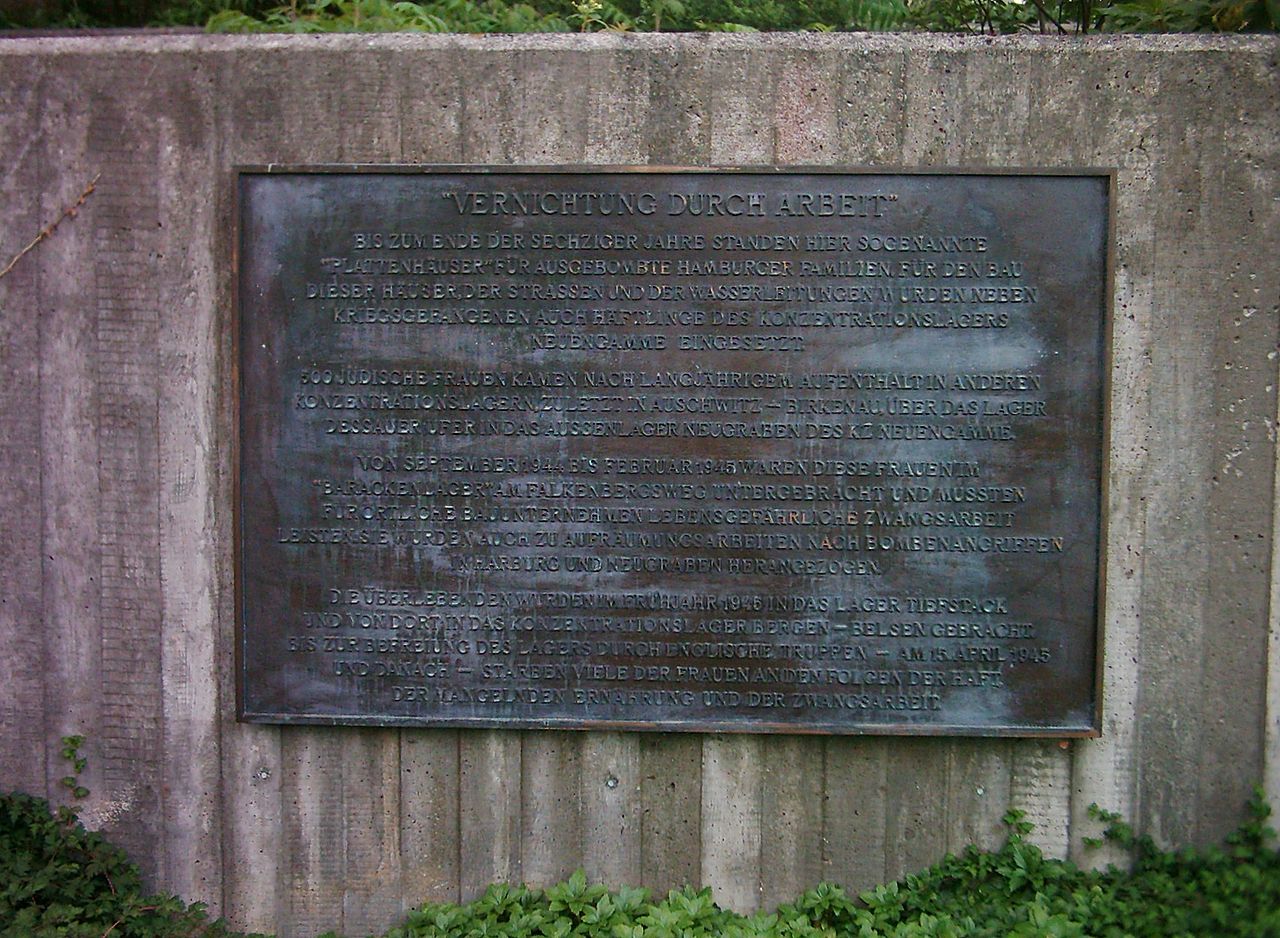
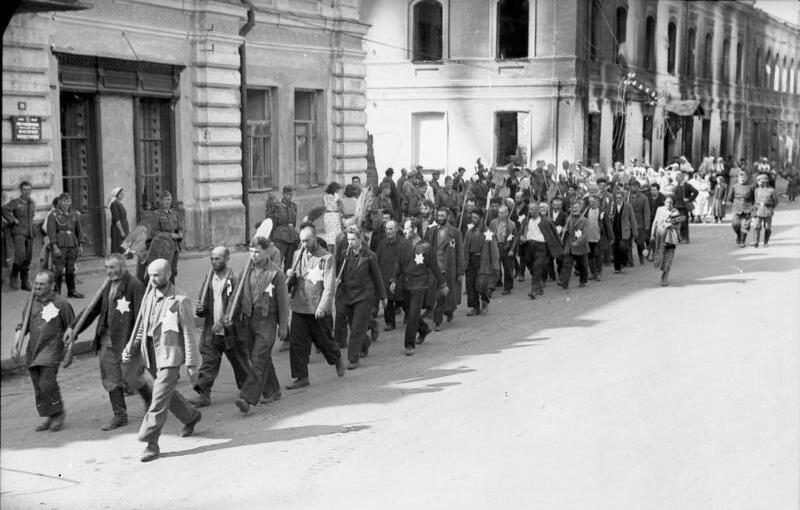
Key characteristics
- Coercion: Work is mandatory, enforced by violence, threats or punitive discipline.
- Deprivation: Insufficient nutrition, inadequate clothing or shelter, and absence of medical care worsen vulnerability.
- Hazardous tasks: Assignments frequently involve heavy manual labor, exposure to toxins or dangerous environments.
- Outcome: The predictable result is high rates of severe illness, injury and death among those compelled to work.
Historical background
Historians and human rights researchers have examined forced-labor systems in several twentieth-century contexts. Scholarly literature commonly discusses the use of extremely harsh compulsory work in Nazi camps and in the Soviet Gulag system, among other cases. Researchers also assess allegations regarding contemporary or recent systems where reports indicate forced labor combined with severe deprivation; terminology and classification can depend on available evidence and legal interpretation.
Documentation and investigation
Evidence of extermination through labor is assembled from survivor testimony, documentary archives, administrative records, contemporaneous reports, and in some cases forensic investigation. NGOs, historians and judicial bodies use such sources to determine whether conditions meet thresholds for violations of international law or constitute crimes such as enslavement, torture or crimes against humanity. The task of documentation is often challenging because records may be incomplete and access to sites restricted.
Legal and human rights context
International law prohibits slavery, forced labor, torture and other forms of cruel, inhuman or degrading treatment. Where forced labor is intentionally used in a way that exposes detainees to lethal conditions, such practices can fall within those prohibitions and may attract investigation by courts, commissions and human rights bodies. Legal assessment typically examines both the conduct and the foreseeability or intent behind the conditions imposed.
Distinctions and scholarly debate
- Not all instances of forced labor constitute extermination through labor; scholars distinguish between severe exploitation and policies designed to cause or foreseeably produce death.
- Determinations often rest on a combination of factual evidence and interpretation of intent or knowledge held by authorities.
- Terminology matters: historians, lawyers and human rights advocates may use different frameworks when describing the same practices.
Further reading and resources
For concise introductions and aggregated materials see general overview sources and curated primary documents. Legal analyses and case studies are available from academic reviews and human rights organizations (legal analyses). For historical case studies consult studies of Nazi camps (Nazi-era research) and work on Soviet forced-labor systems (Gulag research). Contemporary investigative reports and monitoring materials can be found via specialist NGOs and research centers (contemporary reports, human rights organizations). Survivor testimonies and oral-history collections provide lived perspectives (survivor testimonies), while scholarly overviews and bibliographies supply broader context (scholarly overviews).
Note: Careful, evidence-based inquiry is required in each case. The label "extermination through labor" is applied where documentation supports the conclusion that forced labor combined with deliberate or recklessly indifferent deprivation produced widespread lethal outcomes.
Questions and answers
Q: What is extermination through labour?
A: Extermination through labour is a way of torturing and killing prisoners by forcing them to do very heavy work without enough food or medical care, leading to malnutrition, illness, or injury.
Q: Who has used systems of extermination through labor?
A: Nazi Germany and the Soviet Union both had systems of extermination through labor. Some people also describe North Korea's prison system as a system of extermination through labor.
Q: How does extermination through labour kill prisoners?
A: Extermination through labour kills prisoners by depriving them of adequate food and medical care while forcing them to do very heavy work, leading to malnutrition, illness, or injury.
Q: What type of conditions are prisoners subjected to in an extermination by labor system?
A: In an extermination by labor system, prisoners are forced to do very heavy work without enough food or medical care.
Q: What happens when prisoners are subjected to these conditions?
A: When subjected to these conditions, prisoners eventually die from malnutrition, illness, or injury.
Q: Are there any modern examples of this practice?
A: Yes - some people describe North Korea's prison system as a system of extermination through labor.
Related articles
Author
AlegsaOnline.com Extermination through Labor Leandro Alegsa
URL: https://en.alegsaonline.com/art/33013
Sources
- books.google.com : Genocide on Trial: War Crimes Trials and the Formation of History and Memory
- doi.org : 10.1086/235291
- jstor.org : 2990503
- books.google.com : The Holocaust and History: The Known, the Unknown, the Disputed, and the Reexamined