
Exogeny: External Causes and Influences in Earth Science and Other Fields
Exogeny denotes processes or influences that originate outside a system. This article explains the concept across geology, astronomy, biology and social sciences, with examples and distinctions from endogenous forces.
Overview
Exogeny refers to influences, causes or inputs that come from outside a given system. The term is used broadly — from natural sciences to social science and computing — to distinguish external drivers from internal, or endogenous, factors. In many contexts the surrounding environment supplies exogenous inputs that alter structure, behaviour or evolution.
Image gallery
2 Images
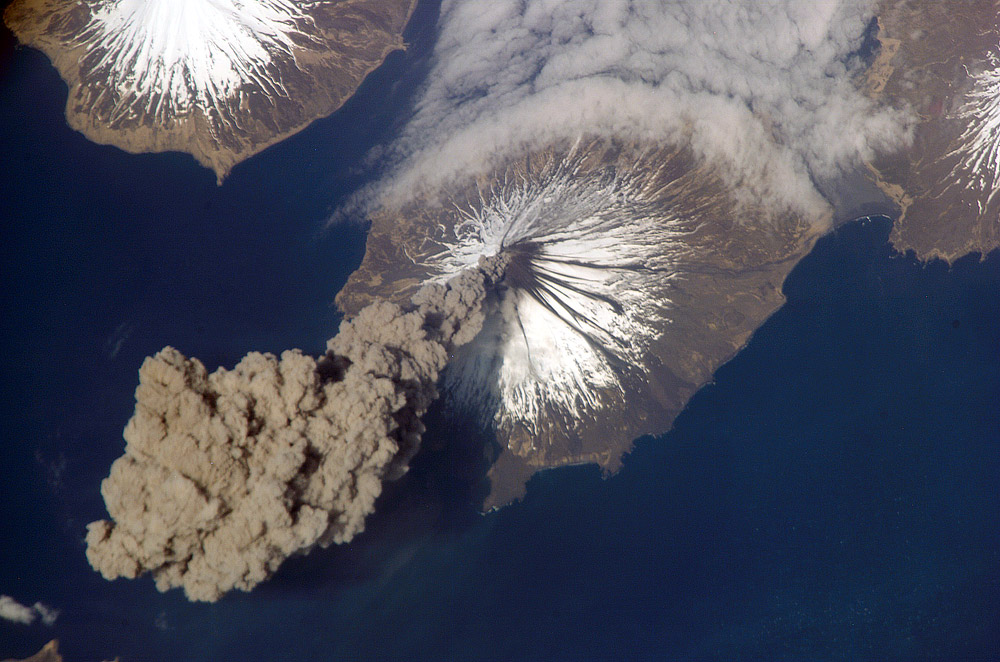
Exogeny in Earth science and astronomy
On the Earth, geologists classify processes as exogenous when they act on or above the surface, in contrast with endogenous processes that originate within the planet. Modern geology therefore separates surface agents such as climate or impactors from internal forces like mantle convection. The Solar System itself is a source of many exogenous effects: the Solar System contains bodies whose interactions affect Earth. For example, the Moon generates oceanic tides, and impacts from comets and meteoroids produce craters and redistribute material on planetary surfaces.
The Sun is the principal exogenous influence on Earth: its radiation sets surface temperatures and drives photosynthesis, while streams of charged particles known as solar wind interact with the planet's magnetic field. These interactions can affect the ozone layer and produce night-time aurorae near the polar regions (poles).
Surface processes and examples
Many surface changes are exogenous and driven by weather and climate. Erosion is a primary example: rainfall (rain), melting or snowfall (snow) and atmospheric motion (wind) move sediment, shape valleys and create depositional features. By contrast, three classic endogenous processes are folding, faulting and volcanism, which largely reflect plate dynamics and deep-Earth energy. Together these processes produce many major landform features seen on continents and islands.
Exogeny beyond geology
Outside Earth science, exogeny describes any externally imposed variable or disturbance. In ecology, exogenous factors include invasive species, nutrient inputs or climatic change. In economics and statistics, an exogenous variable is one whose value is determined outside the model and not explained by the model's internal relations. In computing, exogenous events are inputs or stimuli that a system must respond to but cannot predict from its internal state.
Importance, distinctions and practical notes
- Analytical clarity: Distinguishing exogenous from endogenous causes helps analysts attribute effects correctly and design appropriate responses, whether for hazard mitigation, ecological management or policy.
- Interactions: Exogenous and endogenous forces often interact: for example, climate-driven erosion (exogenous) can expose crustal structures that then influence volcanism (endogenous).
- Scale and time: Some exogenous influences act instantly (impacts, storms); others operate gradually (long-term climate shifts).
Understanding exogeny therefore means recognising origin, pathway and consequence of external inputs across disciplines. For further reading on specific examples and processes, follow the sectional references in this article or consult specialized sources using the links embedded above.
Questions and answers
Q: What is exogeny?
A: Exogeny refers to coming from the outside, such as influences on a planet or object from its environment.
Q: What are some examples of exogenous forces?
A: Examples of exogenous forces include the Moon causing tides in Earth's oceans, impacts from comets and meteoroids changing the surface of the Earth, radiation from the Sun affecting surface temperature and plant life, and storms of solar particles that would otherwise strip away the ozone layer.
Q: What does "endo" mean?
A: Endo is a prefix meaning "in", so it refers to things that come from within itself.
Q: What are three main endogenous geological processes?
A: The three main endogenous geological processes are folding, faulting, and volcanism. These take place mainly along plate boundaries.
Q: How does erosion affect Earth's surface?
A: Erosion mostly affects Earth's surface by precipitation such as rain and snow, and by wind. It can cause major landform features over time.
Q: How does the Sun influence Earth?
A: The Sun has many effects on Earth including providing radiation which affects surface temperature and plant life, shielding us with its magnetic field against solar wind particles that would otherwise strip away our ozone layer, and sometimes creating aurorae near poles at night.
Related articles
Author
AlegsaOnline.com Exogeny: External Causes and Influences in Earth Science and Other Fields Leandro Alegsa
URL: https://en.alegsaonline.com/art/32952