
Excretion: biological removal of metabolic wastes and non-useful materials
Excretion is the biological process that removes metabolic wastes and excess substances to maintain internal balance. It occurs in all life forms using diffusion, organs or specialized structures.
Excretion is the set of biological processes by which organisms remove metabolic wastes and other non-useful materials produced inside cells. This basic function of life keeps internal chemistry compatible with continued activity: it eliminates toxic compounds, excess salts and surplus water while helping regulate pH and ionic balance. Excretion differs from secretion, because secreted substances are typically released to perform some useful task outside the cell or organism rather than being eliminated.
At the chemical level excretion commonly disposes of carbon dioxide, nitrogenous wastes (ammonia, urea or uric acid), pigments, and other catabolic by-products of metabolism. Some wastes leave passively by diffusion across membranes; others are actively transported into tubes, ducts or vesicles for expulsion. The particular substances and pathways vary widely between taxa.
Image gallery
2 Images
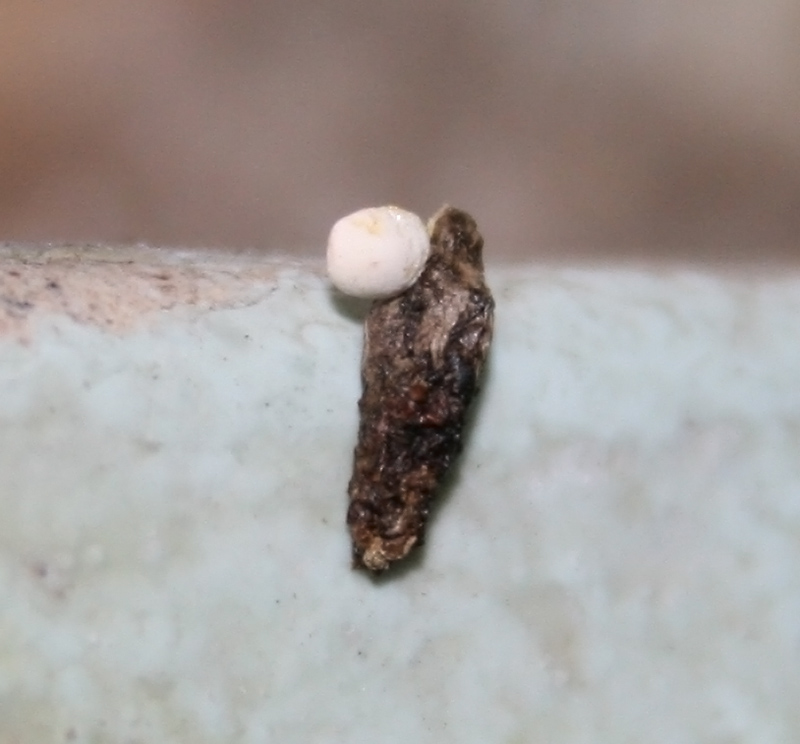
Mechanisms and organs
Different groups of organisms have evolved distinct solutions. In many single-celled organisms, waste molecules cross the cell membrane directly. Among multicellular organisms specialized structures concentrate and remove wastes:
- Vertebrates: lungs, kidneys, liver and skin work together to remove gases, nitrogenous wastes and toxins.
- Invertebrates: nephridia, Malpighian tubules and other excretory organs perform analogous roles.
- Plants: higher plants use stomata, leaf surfaces and vascular transport to release gases and redistribute or store soluble wastes; see higher plants and stomata.
Transport, filtration and selective reabsorption are common steps in complex excretory systems: wastes are often filtered from the blood or coelomic fluid, concentrated, and then expelled while useful solutes are recovered.
Excretion is closely linked to homeostasis and overall health. Failures in excretory organs produce accumulation of toxins, fluid imbalance and acid–base disorders. Ecologically, excreted compounds can influence nutrient cycles and microenvironments, making excretion important beyond the individual organism.
Important distinctions include the difference between excretion and egestion (removal of undigested food remains) and between excretion and secretion. Researchers study excretion across levels of organization—from cellular transporters that move solutes to organ-level physiology—to understand evolution, medicine and environmental impacts. For further reading about the biological role and diversity of excretory strategies, consult introductory texts and review articles: general overview, waste categories, metabolic context, secretion versus excretion, single-celled examples, multicellular systems, plant mechanisms, stomatal gas exchange.
Questions and answers
Q: What is excretion?
A: Excretion is the process of eliminating waste products of metabolism and other non-useful materials.
Q: Why is excretion essential in all forms of life?
A: Excretion is essential in all forms of life because waste products and non-useful materials can be harmful and need to be eliminated to maintain health.
Q: How does excretion differ from secretion?
A: Excretion differs from secretion in that, where the substance in secretion may have specific tasks after leaving the cell, in excretion, waste products are eliminated.
Q: How do single-celled organisms eliminate waste products?
A: Single-celled organisms eliminate waste products by discharging them directly through the surface of the cell.
Q: How do higher plants eliminate gases?
A: Higher plants eliminate gases by releasing them through the stomata on the surface of leaves.
Q: Do multicellular organisms use complex methods to eliminate waste products?
A: Yes, multicellular organisms use more complex methods to eliminate waste products as compared to single-celled organisms.
Q: Do animals have special excretory organs?
A: Yes, animals have special excretory organs to eliminate waste products.
Related articles
Author
AlegsaOnline.com Excretion: biological removal of metabolic wastes and non-useful materials Leandro Alegsa
URL: https://en.alegsaonline.com/art/32898