
Evolutionary arms race
A process in which interacting species reciprocally adapt in response to each other, producing escalating defenses, countermeasures, or continual change across ecological and evolutionary time.
Overview
An evolutionary arms race describes a pattern in which two or more species (or distinct populations) exert reciprocal selective pressures so that a change in one provokes an adaptive response in the other. The phrase borrows from a geopolitical Cold War arms race metaphor and is one way to describe a particular form of coevolution. In practice it applies whenever interacting organisms—predator and prey, host and parasite, or competing conspecifics—are so interdependent that improvements in one party reduce the fitness of the other, prompting counter-adaptations.
Image gallery
6 Images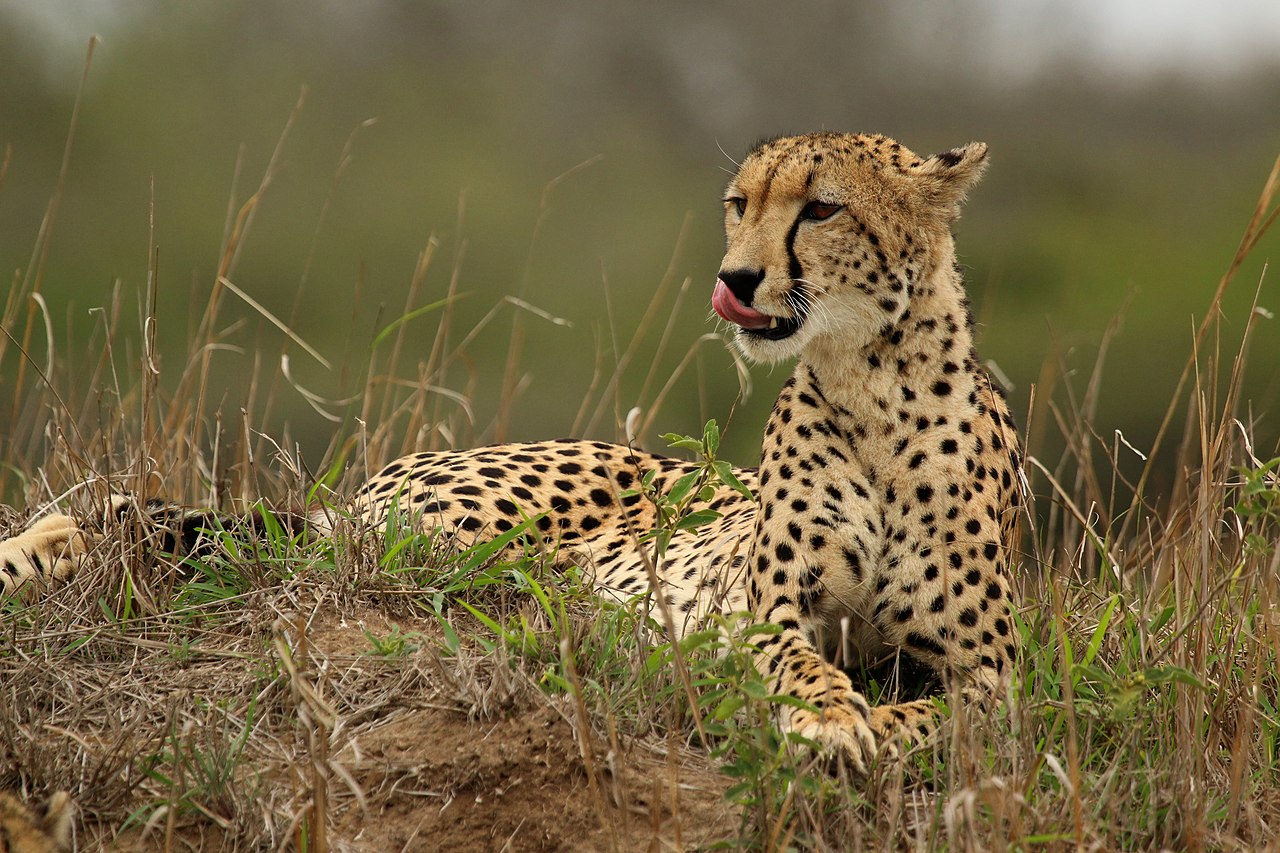


Key characteristics
Arms races are driven by reciprocal selection: each adaptation that increases fitness in one lineage creates a new selective challenge for the other. Outcomes vary: traits can escalate (getting larger, faster, or more toxic), shift directionally, or enter cyclical dynamics where changes in frequency rather than magnitude matter. The term is sometimes used loosely; not every coevolutionary interaction is an arms race—an arms race implies a pattern of ongoing reciprocal change in which adaptation and counter-adaptation are central.
Mechanisms and patterns
Several processes underlie arms races. Natural selection favors variants that improve attack, defense, detection, or resistance. Trade-offs and physiological constraints shape how traits evolve; extreme specialization can be costly. The Red Queen idea captures the sense of continual change—the need to keep evolving to maintain relative fitness. Arms races can be symmetric when both partners escalate, or asymmetric when one side adopts avoidance or tolerance strategies instead of matching intensity.
Common examples
- Predator-prey: speed, camouflage, and sensory acuity may escalate as hunters and their targets improve pursuit and evasion.
- Host-parasite and immune interactions: pathogens evolve ways to evade host defenses while hosts evolve immune recognition and responses.
- Chemical defenses: plants produce toxins and herbivores evolve detoxification mechanisms.
- Sexual selection and sperm competition: reproductive traits can show arms-race-like escalation between sexes or rival males.
Why it matters
Understanding arms races is important for ecology, conservation, and public health. For example, recognizing coevolutionary dynamics helps explain the rapid spread of resistance to pesticides or antibiotics and informs management strategies that can slow adaptation. It also clarifies how biodiversity and extreme trait values arise and why some lineages become highly specialized.
Distinctions and cautions
Not every reciprocal interaction fits the arms-race model. The term is best applied when there is clear evidence of escalating or ongoing reciprocal adaptation rather than one-off changes or parallel evolution driven by shared environment. The metaphorical sense (a human political metaphor) can mislead, so scientists carefully test whether observed changes are indeed reciprocal. Close ecological coupling is required—organisms that are closely linked in their life histories or interactions are most likely to enter true evolutionary arms races.
Questions and answers
Q: What is an evolutionary arms race?
A: An evolutionary arms race is a term used to describe when two species or populations are so interdependent that a change in one indirectly causes a change in the other.
Q: Where did the term evolutionary arms race come from?
A: The term evolutionary arms race is derived from the arms race that occurred between the West and the Soviet Union after the second world war.
Q: What is coevolution?
A: Coevolution is when two or more species interact with each other and change over time in response to each other’s adaptations.
Q: How are evolutionary arms races a form of coevolution?
A: Evolutionary arms races are a type of coevolution because they involve two or more species responding to each other’s adaptations over time.
Q: How do evolutionary arms races occur?
A: Evolutionary arms races occur when two or more species are in direct competition with each other, and each species evolves in response to the other’s adaptations.
Q: Can evolutionary arms races happen between different populations of the same species?
A: Yes, evolutionary arms races can occur between different populations of the same species.
Q: What can be the result of an evolutionary arms race?
A: The result of an evolutionary arms race can be that one species gains an advantage over the other, or both species continue to adapt in response to each other’s adaptations, forming a continuous cycle of change.
Related articles
Author
AlegsaOnline.com Evolutionary arms race Leandro Alegsa
URL: https://en.alegsaonline.com/art/32838
Sources
- sciencedaily.com : Science Daily
- gartersnake.info : Garter snake info