
Everglades: Florida’s vast subtropical wetland ecosystem
Overview of the Florida Everglades: geography, habitats, wildlife, human history, threats and conservation, including its unique ecology and restoration efforts.
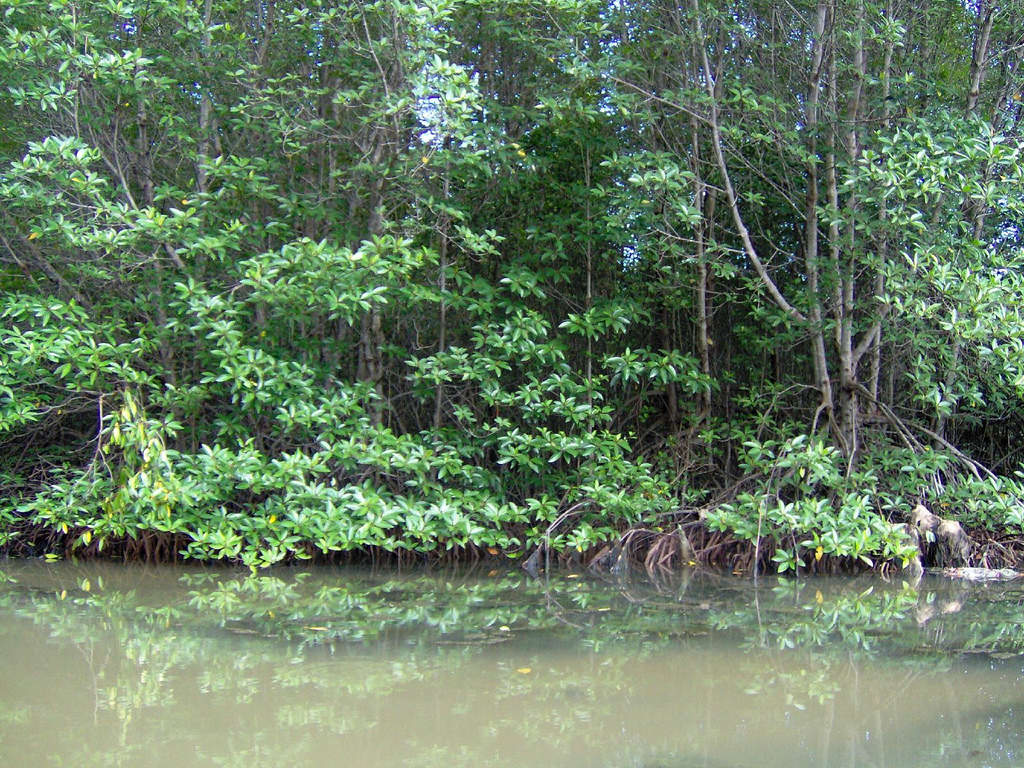
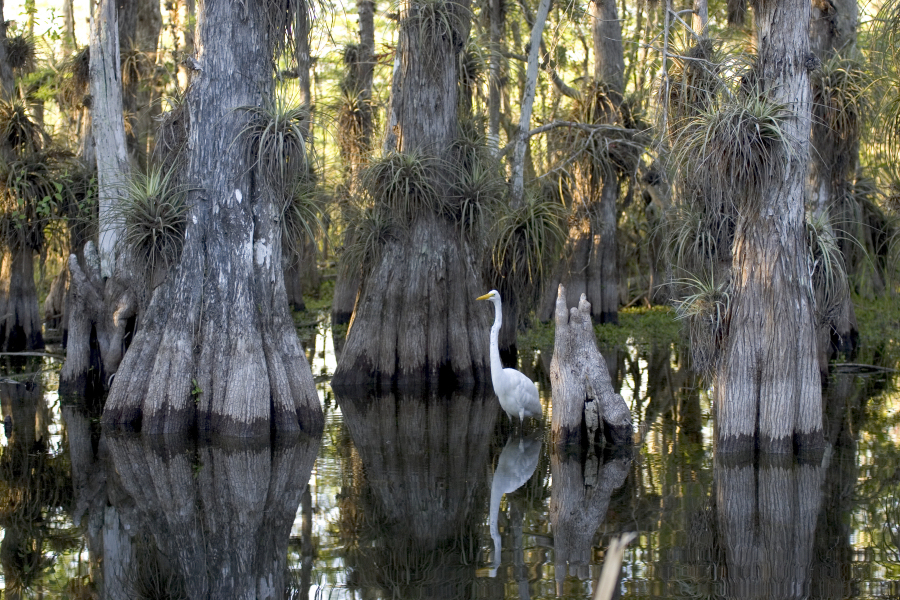
The Everglades is a large subtropical wetland in the southern part of the U.S. state of Florida, extending from the Kissimmee River basin toward the southern tip near Miami. Rather than a single channel, the region functions as a broad, slow-moving river or "sheetflow" across a shallow limestone basin close to sea level. The landscape includes freshwater marshes, mangrove forests, coastal estuaries and extensive swamps. Much of the central area is protected as Everglades National Park and other conservation lands recognized by UNESCO and listed as a World Heritage Site.
Image gallery
10 Images




Geography and hydrology
The Everglades is fed by seasonal rain and historic flows from the Kissimmee and other inland sources, forming a wide, slow-moving river delta that shifts with wet and dry seasons. Water depth, duration and salinity create a mosaic of habitats; shallow sheetflow spreads nutrients and sediments, and the long-term health of marshes and mangroves depends on patterns of freshwater delivery.
Habitats and biodiversity
The region supports a variety of plant communities and wildlife adapted to alternating wet and dry conditions. Tall sawgrass marshes, cypress domes, tree islands and coastal mangrove ridges provide habitat for many plants and animals. The Everglades is notable for the coexistence of American crocodiles and American alligators in overlapping ranges, and it hosts numerous wading birds, fish, turtles and mammals that depend on intact wetland processes.
Human history and impacts
Indigenous peoples occupied and used Everglades landscapes for centuries. Since European settlement the area has been extensively altered by drainage, canals, dikes and land conversion for agriculture and development. These changes disrupted the natural flow of water and reduced the area and quality of marsh habitat. Public recognition of the Everglades’ ecological and hydrological importance prompted the establishment of protected areas and long-term planning to reverse damage.
Threats and restoration
The Everglades faces multiple threats: altered hydrology, nutrient and pollutant runoff from agriculture and urban areas, invasive species, and the consequences of sea-level rise and climate change. Invasive animals and plants can change food webs and habitat structure. Large-scale restoration initiatives focus on restoring historic sheetflow, improving water quality and reconnecting fragmented wetlands; these efforts involve federal, state and local partners and long-term planning documents and site summaries available through management portals and regional reports.
Conservation, research and visiting
- Conservation programs combine land protection, engineered water-management projects and scientific monitoring to rebuild more natural hydrology and ecological function.
- Researchers study water flow, species populations and responses to rising seas and changing climate; restoration planning and technical reports are available from agencies and conservation organizations.
- Visitors can experience the Everglades through park facilities, visitor centers and guided tours that emphasize safety and low-impact recreation. Educational materials highlight the roles of mangroves, swamps and river processes in supporting fisheries and wildlife.
Understanding the Everglades requires recognizing it as an unusually flat, interwoven landscape where water shapes ecosystems, culture and coastal resilience. Ongoing science, policy and community efforts aim to protect its plants and animals and maintain the services it provides; for more information consult resources on hydrology and restoration studies, floral and fauna guides, and heritage listings such as those provided by UNESCO and related World Heritage documentation.
Further reading and practical information are available through management pages on flow studies and restoration planning, species accounts and conservation summaries at regional offices and portals (river studies, crocodile and alligator reports, delta resources, habitat guides for mangroves and swamps, and botanical and wildlife pages covering plants and animals).
Questions and answers
Q: Where is the Everglades located?
A: The Everglades is located in the southern part of Florida near the city of Miami.
Q: What is the Everglades?
A: The Everglades is a flat tropical river and mangrove swamp.
Q: How does the river flow in the Everglades?
A: The river in the Everglades usually has a tropical river delta which runs slowly through a low-lying basin near sea level.
Q: What is the significance of the Everglades in terms of flora and fauna?
A: There are many plants and animals living in the Everglades.
Q: Which two reptiles live together only in the Everglades?
A: The Everglades is the only place in the world where crocodiles and alligators live together.
Q: What is the status of the Everglades?
A: The Everglades is a National Park and part of the UNESCO World Heritage Site.
Q: Why is the Everglades considered a UNESCO World Heritage Site?
A: The Everglades is considered a UNESCO World Heritage Site due to its unique ecosystem and biodiversity.
Related articles
Author
AlegsaOnline.com Everglades: Florida’s vast subtropical wetland ecosystem Leandro Alegsa
URL: https://en.alegsaonline.com/art/32771
Sources
- commons.wikimedia.org : Everglades
- whc.unesco.org : "Everglades National Park"
- nps.gov : "Park Statistics"
- nps.gov : "Everglades National Park"