
Euronymous (Øystein Aarseth): Architect of Early Norwegian Black Metal
Øystein "Euronymous" Aarseth (1968–1993) was a Norwegian guitarist, Mayhem co‑founder and controversial promoter of early black metal aesthetics, founder of Helvete shop and Deathlike Silence Productions.
Overview
Øystein Aarseth, better known by his stage name Euronymous (22 March 1968 – 10 August 1993), was a Norwegian musician and a central figure in the first wave of the Norwegian black metal movement. He was a founding member and the only constant participant of the band Mayhem, and he is widely remembered for shaping the scene's aggressive sound, provocative imagery and confrontational ethos. Euronymous's activities went beyond performing: he operated a record shop and ran a small independent label that helped distribute extreme metal recordings.
Image gallery
5 Images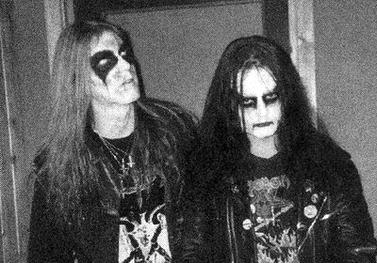


Musical role and characteristics
As a guitarist and songwriter, Euronymous favored a raw, tremolo‑picked style and lo‑fi production that became characteristic of early black metal. He helped set aesthetic standards such as stark, minimal arrangements, abrasive guitar tones and theatrical presentation—elements often combined with corpse paint and stage names to cultivate an aura of menace and otherworldliness. His approach emphasized atmosphere and antagonism rather than technical polish.
Institutions and promotion
Euronymous established the record shop Helvete (Norwegian for "hell"), which became a social hub for musicians and fans of the emergent scene. Through Helvete and his label, Deathlike Silence Productions, he promoted bands, released records and fostered a network that amplified the movement's reach. These outlets acted as distribution points for tapes and albums and as meeting places where ideas, aesthetics and strategies were exchanged.
Ideology, image and controversy
Euronymous cultivated an image of extremity and nihilism, publicly endorsing anti‑Christian sentiments and an aestheticized form of misanthropy. He sometimes described himself and close associates as a militant inner group, often referred to in contemporary accounts as the "Black Metal Inner Circle". Whether as rhetoric, self‑mythologizing or serious belief, his statements and actions were intended to provoke and to define a boundary between black metal and other music scenes. Commentators and participants alike describe his persona as a blend of performative Satanism and deliberate provocation.
Violence and the scene's escalation
During the early 1990s the Norwegian black metal community became associated with a series of criminal acts, including church burnings and violent confrontations. Euronymous was implicated in the scene's atmosphere of confrontation and is reported to have endorsed or celebrated some of these acts; researchers and journalists treat some of those claims cautiously, as the boundary between boasting, mythmaking and direct involvement is contested. Nonetheless, the period was marked by real acts of arson and interpersonal violence that drew intense media and legal attention.
Death and aftermath
On 10 August 1993 Euronymous was killed by fellow musician Varg Vikernes. The killing and the surrounding criminal investigations intensified public scrutiny of the black metal scene and further mythologized its participants. Legal proceedings resulted in convictions of those involved in violent and incendiary acts, and the episode remains one of the most notorious moments in metal history.
Legacy and distinctions
Euronymous's influence persists in the music's sound, visual codes and the idea that extreme artistry should challenge societal norms. He is remembered both as an architect of a distinct musical movement and as a polarizing figure whose rhetoric and associations contributed to destructive behavior. Scholars, musicians and fans debate the line between artistic provocation and real‑world harm in his career, and his life story continues to be examined in books, documentaries and music histories.
- Key roles: guitarist, Mayhem co‑founder, label owner, shop proprietor.
- Notable institutions: Deathlike Silence Productions, Helvete record shop.
- Controversies: public misanthropic statements, promotion of extreme imagery, involvement in a scene that included arson and violence (misanthropic sentiments discussed in press and interviews).
- Historical consequence: murder by Varg Vikernes and heightened scrutiny of black metal.
For further reading on the early Norwegian scene and its key figures, see contemporary scene histories and primary interviews collected in anthologies and documentaries; these sources provide context on how musicians, venues and labels like Euronymous's guitar work and the communal role of the Norwegian black metal scene shaped a distinctive subculture.
The story of Euronymous is a study in how artistic innovation, mythmaking and real‑world violence can intersect, leaving a complex legacy that continues to influence extreme music and cultural debates about provocation, responsibility and memory.
Questions and answers
Q: Who was Øystein Aarseth?
A: Øystein Aarseth was a Norwegian guitarist better known by his stage name Euronymous.
Q: What was Euronymous' role in the early Norwegian black metal scene?
A: Euronymous was a founder and central figure in the early Norwegian black metal scene.
Q: What was the name of the Norwegian black metal band that Euronymous co-founded?
A: Euronymous co-founded the Norwegian black metal band Mayhem.
Q: What was Deathlike Silence Productions?
A: Deathlike Silence Productions was an extreme metal record label founded and owned by Euronymous.
Q: What was Helvete?
A: Helvete was a record shop founded and owned by Euronymous.
Q: What did Euronymous profess to be?
A: Euronymous professed to be a Satanist.
Q: Who murdered Euronymous and when did it happen?
A: Euronymous was murdered by fellow musician Varg Vikernes in August 1993.
Related articles
Author
AlegsaOnline.com Euronymous (Øystein Aarseth): Architect of Early Norwegian Black Metal Leandro Alegsa
URL: https://en.alegsaonline.com/art/32586