
Eupen–Malmedy (East Cantons): history, geography and modern status
Eupen–Malmedy, the East Cantons of Belgium, are former Prussian districts added to Belgium after World War I. The area has German‑ and French‑speaking communities and a unique 19th–20th century history.
Overview
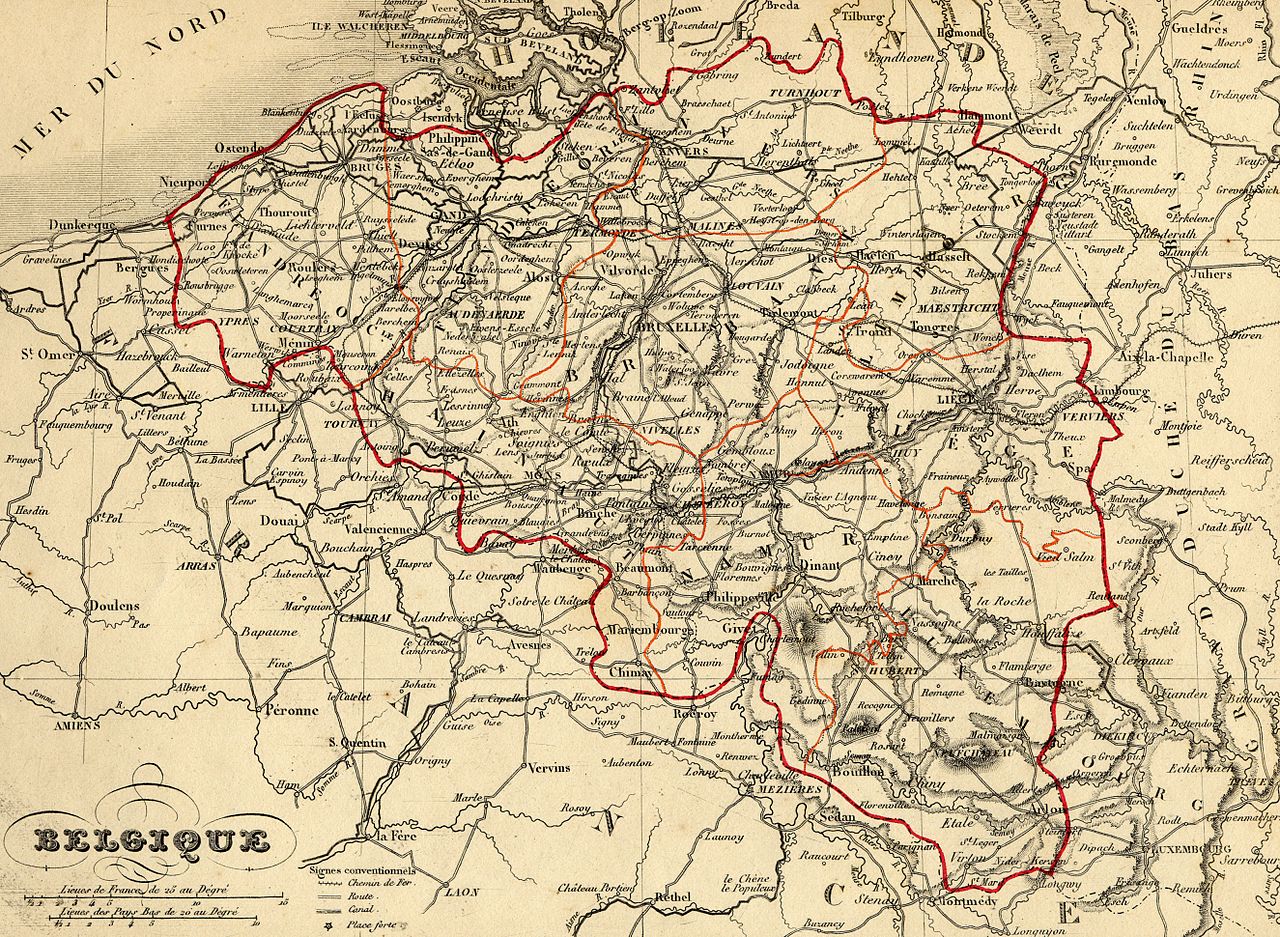
Eupen–Malmedy, commonly called the East Cantons, refers to a group of territories in eastern Belgium transferred from Germany after World War I. These areas are often associated with both German‑ and French‑speaking populations and have played a notable role in Belgian linguistic politics. The territories were added to Belgium by the Treaty of Versailles in 1920 and are sometimes called the "Redeemed Cantons" in older French sources.
Image gallery
8 Images





Geography and communities
The region comprises several municipalities and distinct communities with different language and cultural traditions. Key local centers include Eupen and Malmedy, and historically the tiny Neutral Moresnet was part of the area. Characteristics include:
- German‑speaking municipalities clustered around Eupen and Sankt Vith.
- French‑speaking communities centred on Malmedy, more closely integrated with Wallonia.
- A largely Ardennes landscape with small towns, rural areas and cross‑border connections to Germany and Luxembourg.
Historical origins
The territories were part of the Rhineland and of the Kingdom of Prussia following post‑Napoleonic settlement in the early 19th century. Their transfer to Belgium after World War I reflected the redrawing of borders and reparations imposed on the defeated German states. The area’s earlier status included the unusual case of Neutral Moresnet, created because of a 19th‑century mining dispute and administered as a condominium for many decades.
20th‑century developments and consequences
In 1920 the Versailles settlement placed Eupen–Malmedy under Belgian sovereignty. This produced new administrative arrangements and questions about language, schooling and civil rights for residents whose daily life had been conducted under German law. The region experienced further disruption during World War II when it was temporarily annexed by Germany and then restored to Belgium after 1945.
Modern status and significance
Today much of the area forms the German‑speaking Community within Belgium’s federal system, with its own cultural institutions and certain autonomous competences; Malmedy remains francophone and administratively part of the Walloon province of Liège. The status of the East Cantons has influenced Belgian approaches to minority rights, language legislation and regional autonomy.
Notable facts
The story of Eupen–Malmedy illustrates how shifting borders in Europe affect identity, governance and daily life. The region’s mixed heritage—Prussian, Belgian, German and Walloon—continues to be visible in local architecture, bilingual signage and communal institutions. For background on the earlier sovereign power that once controlled the area see Prussia.
Questions and answers
Q: What is Eupen-Malmedy?
A: Eupen-Malmedy is a group of cantons in Belgium, composed of the former Prussian districts of Malmedy and Eupen and the Neutral Moresnet.
Q: Why were they once called the Redeemed Cantons by French-speaking Belgians?
A: French-speaking Belgians once called them the Redeemed Cantons because they were territories that were liberated from Prussian rule during World War I and added to Belgium by the Versailles Treaty.
Q: When were these territories added to Belgium?
A: These territories were added to Belgium in 1920 by the Versailles Treaty.
Q: What were the former names of the districts that now make up Eupen-Malmedy?
A: The former names of the districts that now make up Eupen-Malmedy were Malmedy and Eupen.
Q: What was Neutral Moresnet?
A: Neutral Moresnet was a small neutral territory located between Belgium and Prussia that existed from 1816 to 1920.
Q: What treaty added Eupen-Malmedy to Belgium?
A: The Versailles Treaty added Eupen-Malmedy to Belgium in 1920.
Q: What was the reason for adding Eupen-Malmedy to Belgium?
A: The reason for adding Eupen-Malmedy to Belgium was to create a buffer zone between France and Germany and to ensure that German-speaking people were not ruled by Prussia.
Related articles
Author
AlegsaOnline.com Eupen–Malmedy (East Cantons): history, geography and modern status Leandro Alegsa
URL: https://en.alegsaonline.com/art/32533