
Eulipotyphla: the order of true insectivorous mammals
Eulipotyphla is a modern mammal order that unites shrews, moles, hedgehogs and solenodons into a monophyletic group formerly placed in Insectivora; diverse in form, ecology and evolutionary history.
Overview
Eulipotyphla is an order of small to medium-sized mammals that today groups families commonly known as shrews, moles, hedgehogs (and gymnures), and solenodons. The grouping was established after molecular and anatomical research showed these insectivorous and omnivorous mammals form a single evolutionary lineage, replacing the older, broader concept of "Insectivora" which mixed unrelated lineages.
Image gallery
10 Images


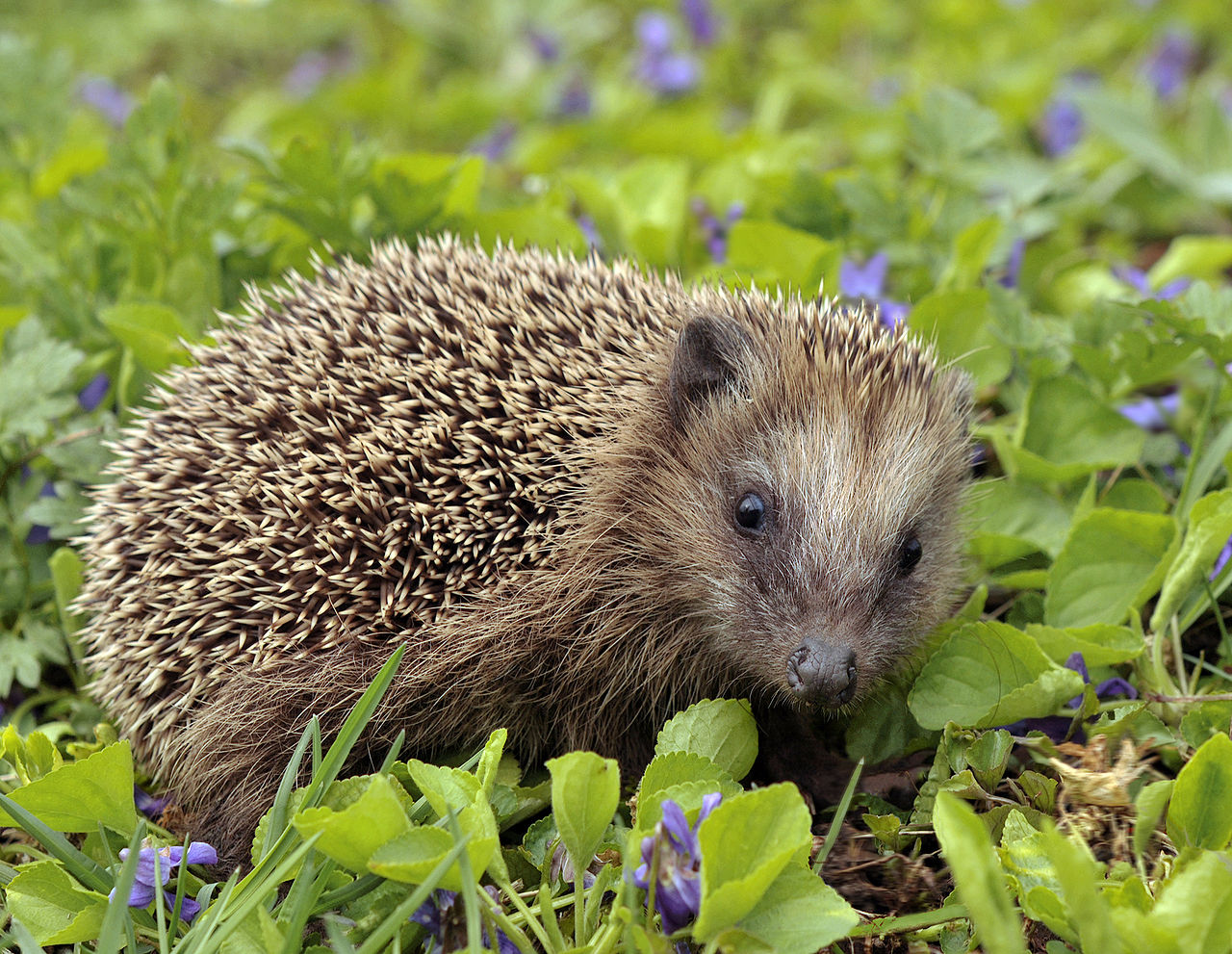
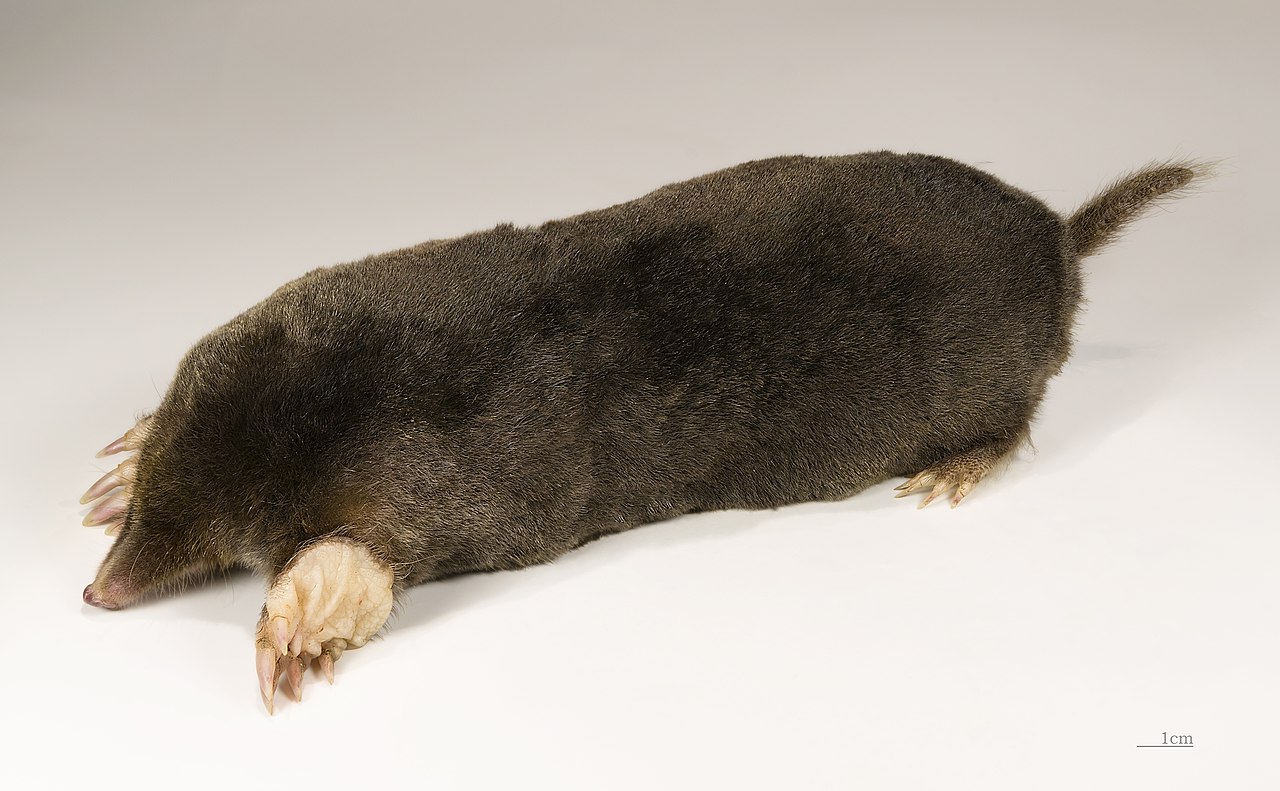


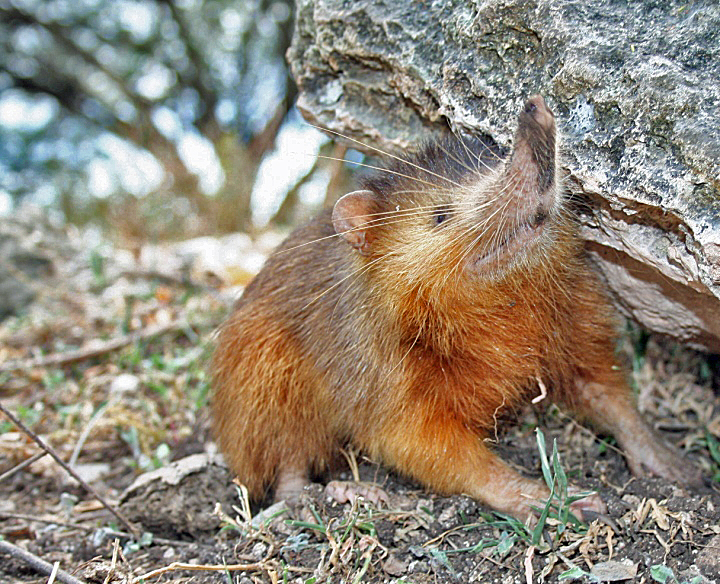
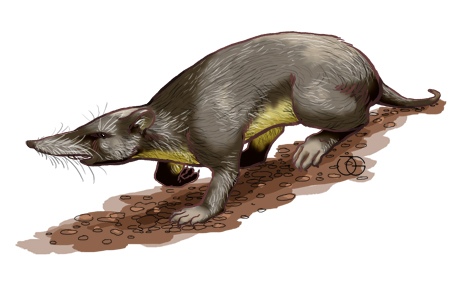
Key characteristics
Members of Eulipotyphla share some general features but also show strong specializations. Many are small-bodied, have pointed snouts and teeth adapted for gripping and processing invertebrate prey. Moles have powerful, paddle-like forelimbs and reduced eyesight for a subterranean life, while hedgehogs possess keratinous spines for defense. Some solenodons have a specialized saliva that helps subdue prey. Metabolic rates, dentition and limb morphology vary with diet and habitat.
Families and examples
- Soricidae — shrews: tiny, often insectivorous mammals with high metabolisms.
- Talpidae — moles and desmans: adapted for digging and, in some cases, aquatic life.
- Erinaceidae — hedgehogs and gymnures: spiny or smooth-coated omnivores.
- Solenodontidae — solenodons: rare, nocturnal mammals with primitive traits and unusual venomous saliva.
- Some classifications also acknowledge extinct groups related to these families.
Evolution, classification and relationships
Genetic and fossil evidence supports Eulipotyphla as a monophyletic clade distinct from other small insect-eating mammals that were once lumped together. These animals are more closely related to the carnivore lineage (Carnivora) than to bats (bats) or other superficially similar groups. For context, modern members of Carnivora include animals such as cats, dogs, bears, badgers, skunks, ferrets and binturongs, illustrating the broader evolutionary neighborhood of eulipotyphlans.
Ecology and notable facts
Eulipotyphlans occupy a wide range of habitats from forests and grasslands to wetlands and underground tunnels. They play important ecological roles as predators of insects and other invertebrates, seed dispersers and prey for larger predators. Several species are important indicators of soil and ecosystem health. While many are common and widespread, a number of species—particularly island-endemic solenodons and some specialized moles—are vulnerable or endangered due to habitat loss and introduced predators.
Distinctions and conservation
Unlike the obsolete grouping Insectivora, Eulipotyphla is defined by evolutionary relationships rather than simple diet. Although the label "insectivorous" still describes dietary tendencies, members may also be omnivorous or show unique feeding adaptations. Conservation status varies: some hedgehogs and shrews thrive near human settlements, while other lineages require targeted protection. Ongoing research continues to refine internal relationships and to document the biology of lesser-known species.
For further reading about classification and individual families, see specialist sources and taxonomic databases linked via institutional pages such as order-level overviews and family accounts on authoritative mammalogy sites (mammal references).
Questions and answers
Q: What is the Eulipotyphla order?
A: The Eulipotyphla is an order of insectivorous mammals.
Q: Why was the old order of Insectivora abandoned?
A: The old order Insectivora was abandoned because it was polyphyletic.
Q: What does it mean for the Eulipotyphla to be monophyletic?
A: It means that the Eulipotyphla is a single clade, descended from a common ancestor.
Q: What other group of mammals is the Eulipotyphla order closely related to?
A: The Eulipotyphla order is more closely related to the Carnivora order (cats, dogs, bears, badgers, skunks, ferrets and binturongs, etc.) than to bats.
Q: Can the term “insectivorous” still be used to describe the lifestyle of the Eulipotyphla and other groups of mammals?
A: Yes, the term “insectivorous” can still be used to describe the lifestyle of the Eulipotyphla and some other groups of mammals.
Q: What is the main characteristic of the Eulipotyphla order’s food habits?
A: The main characteristic of the Eulipotyphla order’s food habits is that they are insect-eating.
Q: What is a clade?
A: A clade is a group of organisms that consists of an ancestor and all its descendants.
Related articles
Author
AlegsaOnline.com Eulipotyphla: the order of true insectivorous mammals Leandro Alegsa
URL: https://en.alegsaonline.com/art/32522
Sources
- doi.org : 10.1038/nature02597
- pubmed.ncbi.nlm.nih.gov : 15190349
- biomedcentral.com : "A higher level MRP supertree of placental mammals"
- doi.org : 10.1186/1471-2148-6-93
- ncbi.nlm.nih.gov : 1654192
- pubmed.ncbi.nlm.nih.gov : 17101039