
Estadio Azteca — Mexico City's iconic football stadium
Estadio Azteca is Mexico City's largest football stadium, home to Club América and the Mexico national team. Known for hosting two FIFA World Cup finals and a landmark NFL game outside the USA.
Overview
Estadio Azteca is a major football stadium located in Mexico City, Mexico. It serves as the principal home ground for Club América and regularly hosts matches featuring the Mexico national football team. The venue is the largest stadium in the country, with a current capacity of roughly 87,000 spectators; historically it accommodated over 100,000 before later safety-driven reductions.
Image gallery
10 Images




Design and characteristics
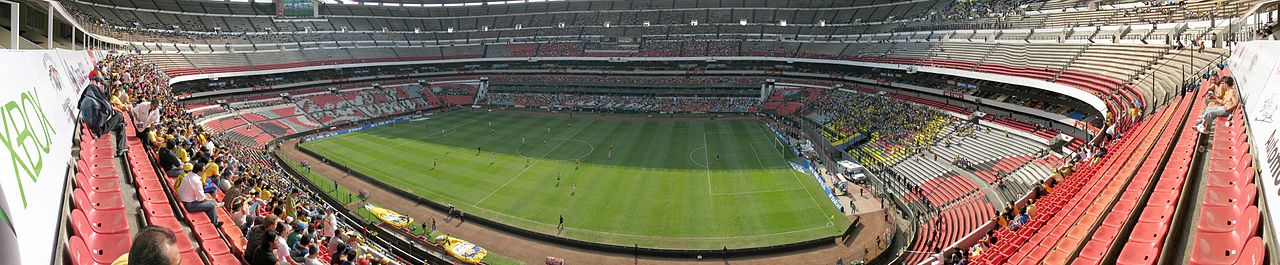
The stadium opened in the 1960s and was developed under the direction of prominent architects, including Pedro Ramírez Vázquez. Its bowl-shaped layout and multiple tiers were designed to give expansive sightlines and large crowd capacity. Situated at high altitude in Mexico City, the venue can affect playing conditions and ball flight, a factor often noted by visiting teams.
History and major events
Estadio Azteca has hosted many high-profile international competitions and memorable matches. It is notable for being the only stadium to have staged two FIFA World Cup final matches, in 1970 and 1986, making it a unique site in football history. The 1986 tournament produced some of the stadium's most famous moments. The ground has also been used for other sporting events: in 2005 it hosted the first regular-season NFL game played outside the US, marking a milestone in the league's international expansion.
Uses and cultural importance
Beyond club and international football, Estadio Azteca functions as a venue for major concerts, political rallies and large public events, reflecting its role as a national gathering place. Its capacity and prominence make it a preferred site for fixtures where a large, passionate attendance is expected. The stadium also figures prominently in Mexican popular culture and sports identity.
Notable facts and distinctions
- The venue is the largest stadium in Mexico and was once among the world’s largest single-purpose football stadiums.
- It has hosted landmark matches and moments that are frequently cited in discussions about football history.
- Periodic renovations and upgrades have modernized facilities while preserving the stadium’s historic character.
For further practical information—location details, ticketing or event schedules—consult official sources or the clubs and organizations that manage fixtures at the stadium. Additional background and images are available from authoritative sports and architectural references: see stadium profiles, historical summaries and archives maintained by football governing bodies.
Questions and answers
Q: What is Estadio Azteca?
A: Estadio Azteca is a football stadium in Mexico City, Mexico.
Q: Which teams play in Estadio Azteca?
A: Club América and the Mexico national football team play in Estadio Azteca.
Q: How many people can Estadio Azteca hold?
A: Estadio Azteca can hold 87,000 people.
Q: Was Estadio Azteca previously the largest football-specific stadium in the world?
A: Yes, Estadio Azteca used to hold 105,000 people, and at that time it was the former largest football-specific stadium in the world.
Q: When did Estadio Azteca first host an NFL game played outside the US?
A: Estadio Azteca hosted the first NFL game played outside the US in 2005.
Q: Is Estadio Azteca the largest stadium in Mexico?
A: Yes, Estadio Azteca is the largest stadium in Mexico.
Q: Which sport is played in Estadio Azteca?
A: Football (soccer) is played in Estadio Azteca.
Related articles
Author
AlegsaOnline.com Estadio Azteca — Mexico City's iconic football stadium Leandro Alegsa
URL: https://en.alegsaonline.com/art/32265
Sources
- telefenoticias.com.ar : "El Monumental le gana a la Bombonera como estadio más emblemático"
- stadiumdb.com : "StadiumDB: Estadio Azteca"
- soccerlens.com : "The 10 Largest Football Stadiums In The World"