
Espírito Santo (Brazilian state)
Espírito Santo is a coastal state in southeastern Brazil whose capital is Vitória and largest city Vila Velha; known for its beaches, coffee production, ports, and the demonym Capixaba.
Overview
Espírito Santo is a state in southeastern Brazil. It occupies a narrow coastal strip between the Atlantic Ocean and the inland highlands. The state capital is Vitória, a city set on islands and peninsulas, while the largest municipality by population is Vila Velha. The state's name—literally "Holy Spirit"—derives from the Christian Holy Ghost and is reflected in local place names and traditions; see also etymology.
Image gallery
10 Images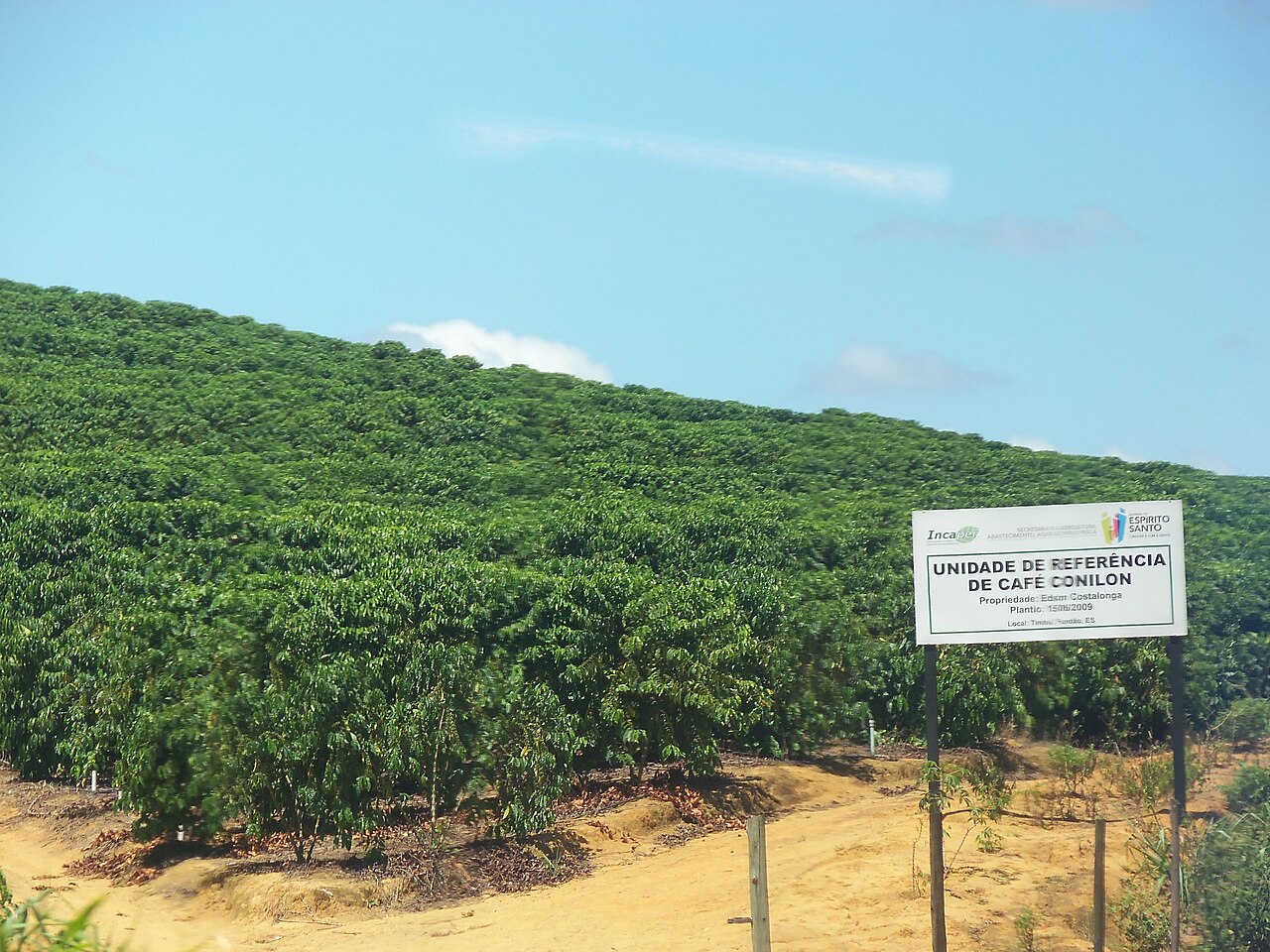



Geography and environment
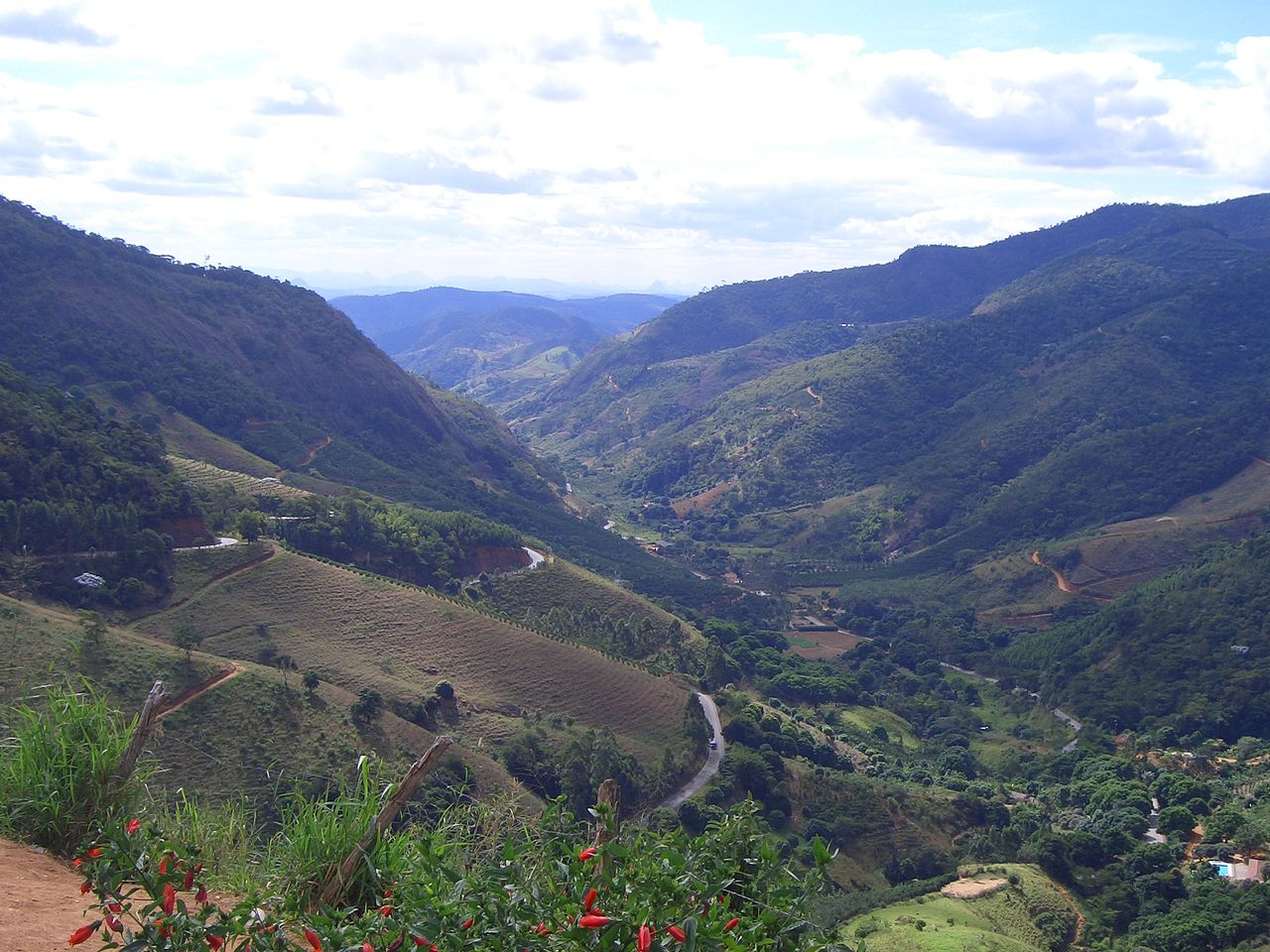
Espírito Santo combines a varied coastline, mangroves and sandy beaches with interior hills and mountains. The coastal plain gives way to remnants of the Atlantic Forest and to higher plateaus farther inland. The state includes parts of several protected areas and shares the Caparaó highlands with neighboring Minas Gerais; the range contains peaks that are among the highest in the southeastern region of Brazil. Its coastal location supports important ports, fishing communities and tourism centered on beaches and natural parks.
History and origins
The territory that became Espírito Santo was colonized by the Portuguese in the 16th century and was established as a captaincy early in Brazil's colonial period. The settlement of the coastline brought contact and conflict with indigenous peoples, later followed by waves of migrants from Europe and other parts of Brazil. Over time, agriculture, ports and small industry shaped the state's development while cities such as Vitória grew into regional administrative and service centers.
Economy and culture
Economic activity in Espírito Santo includes agriculture, industry, offshore oil and gas exploration, and a network of ports that handle exports. The state is known for producing varieties of coffee, and its harbors move bulk goods and containerized cargo for domestic and international trade. Culturally, Espírito Santo reflects indigenous, Portuguese and immigrant influences; local cuisine is distinctive—one well-known dish is moqueca capixaba, a fish stew associated with the state's coastal towns.
People and identity
Residents of Espírito Santo are commonly called Capixabas, a demonym widely used in daily life; the formal Portuguese demonym is sometimes rendered as Espiritossantense. Urban areas around Vitória and Vila Velha are densely settled, while interior municipalities may have more rural character. The state's traditions combine religious festivals, coastal maritime culture and culinary specialties that attract domestic tourists.
Notable facts and distinctions
- Vitória is built across islands and connected by bridges, giving it a distinctive port-city character.
- Espírito Santo has important export facilities that serve agricultural and mineral production for the region.
- The moqueca capixaba is a culinary specialty that differs from Bahian moqueca in ingredients and preparation.
- The state's geography includes both Atlantic Forest remnants and highland areas shared with Minas Gerais, offering diverse nature tourism options.
For further geographic or administrative detail about the state and its municipalities, consult regional gateways and official sources; general background on Brazil's states and their capitals can be found through national reference resources and travel guides.
Questions and answers
Q: Where is Espírito Santo located?
A: Espírito Santo is located in southeastern Brazil.
Q: How is Espírito Santo often referred to?
A: Espírito Santo is often referred to as "ES".
Q: What is the capital city of Espírito Santo?
A: The capital city of Espírito Santo is Vitória.
Q: What is the largest city in Espírito Santo?
A: The largest city in Espírito Santo is Vila Velha.
Q: What are people from Espírito Santo called?
A: People from Espírito Santo are called "Capixabas", although the correct word is "Espiritossantenses".
Q: What is the meaning behind the name "Espírito Santo"?
A: The name "Espírito Santo" means "holy spirit" after the Holy Ghost of Christianity.
Q: What religious significance is associated with the name of the state?
A: The name of the state holds religious significance for Christians, as it is named after the Holy Ghost.
Related articles
Author
AlegsaOnline.com Espírito Santo (Brazilian state) Leandro Alegsa
URL: https://en.alegsaonline.com/art/32211
Sources
- ibge.gov.br : ibge.gov.br/