
Egyptian Radio and Television Union (ERTU)
State-owned public broadcaster of Egypt, overseeing national radio and television services, international channels, and archival media; operates under government oversight and participates in international broadcasting bodies.
Overview
The Egyptian Radio and Television Union (ERTU), Arabic: اتحاد الإذاعة و التليفزيون المصري (Ittihād al-Idhā‘ah wal-Tilīfizyūn al-Miṣrī), is the national public broadcaster of Egypt. Operated by the government, ERTU coordinates a broad suite of radio and television services that provide news, cultural programming, drama, sports, and educational content for domestic and international audiences.
Image gallery
2 Images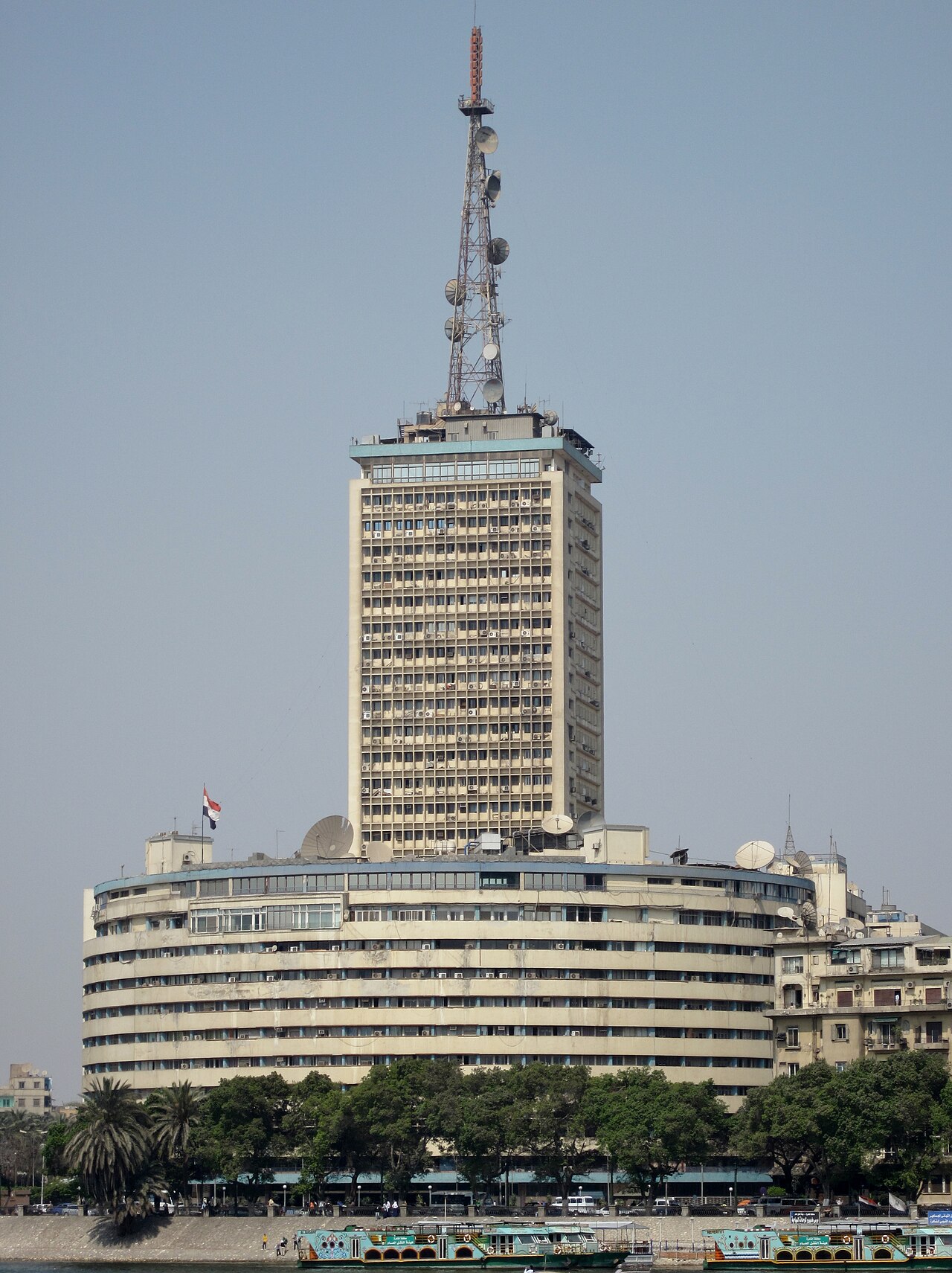

Structure and services
ERTU's activities encompass multiple television channels and a network of radio stations, including domestic and foreign-language services aimed at diaspora and regional viewers. Historically influential services such as the radio service known as "Voice of the Arabs" helped shape regional broadcasting. The union also manages international satellite channels and archives of audio-visual material that document Egypt's broadcast history.
History and development
The organization grew out of the consolidation of earlier radio and television operations into a unified public broadcasting body. Over time it adapted to changes in technology, moving from primarily terrestrial transmission to satellite and online distribution while expanding its programming range. Its evolution reflects broader shifts in media practice, policy and technology across the region.
Governance and role
As a state-operated institution, ERTU functions under government oversight and often plays a role in conveying official information and cultural policy. At the same time it supplies a wide variety of entertainment and informational content. Its position as the public broadcaster distinguishes it from privately owned and commercial channels in Egypt.
International relations and membership
ERTU participates in international broadcasting circles and is a member of the European Broadcasting Union, which facilitates cooperation, content exchange, and technical standards with other public broadcasters. Its international channels and services reach audiences beyond Egyptian borders and contribute to cultural diplomacy.
Contemporary issues and significance
In the contemporary media environment ERTU faces challenges common to public broadcasters: competition from private and satellite channels, the transition to digital platforms, and debates about editorial independence versus state direction. Nevertheless, it remains a major source of news, entertainment and national cultural programming in Egypt and for Arabic-speaking audiences worldwide.
- Key components: national TV networks, regional radio stations, international satellite channels, archives.
- Main functions: news broadcasting, cultural programming, national events coverage, educational content.
- Notable facts: long-standing role in regional radio history and ongoing participation in international public broadcasting networks.
Questions and answers
Q: What does ERTU stand for?
A: ERTU stands for the Egyptian Radio and Television Union.
Q: What is the Arabic name for ERTU?
A: The Arabic name for ERTU is Ittihād al-Idhā‘ah wal-Tilīfizyūn al-Miṣrī.
Q: What was the previous name of ERTU?
A: The previous name of ERTU was the Arab Radio and Television Union.
Q: Who operates ERTU?
A: ERTU is operated by the Egyptian government.
Q: Is ERTU a public broadcaster or a private one?
A: ERTU is a public broadcaster.
Q: What organization is ERTU a member of?
A: ERTU is a member of the European Broadcasting Union.
Q: What does ERTU do?
A: ERTU provides radio and television broadcasting services in Egypt.
Related articles
Author
AlegsaOnline.com Egyptian Radio and Television Union (ERTU) Leandro Alegsa
URL: https://en.alegsaonline.com/art/32067
Sources
- ertu.org : ertu.org/nile_chan/NL_culture.html
- ertu.org : ertu.org/nile_chan/NL_comedy.html
- ertu.org : ertu.org/nile_chan/NL_drama.html
- ertu.org : ertu.org/nile_chan/NL_edu.html
- ertu.org : ertu.org/nile_chan/NL_family.html
- ertu.org : ertu.org/nile_chan/NL_sports.html
- ertu.org : ertu.org/nile_chan/NL_var.html
- ertu.org : ertu.org/nile_chan/tanweer.html