
Ernst Happel — Austrian football player and coach
Ernst Happel (1925–1992) was an influential Austrian footballer turned coach who won titles across Europe and managed national teams; Vienna's Ernst-Happel-Stadion commemorates his legacy.
Ernst Franz Hermann Happel (born 29 November 1925 — died 14 November 1992) was an influential Austrian figure in football, known both for his playing career and his later success as a coach. He represented his country as a player and went on to build a reputation as one of the most accomplished managers in European club football during the mid‑20th century.
Image gallery
3 Images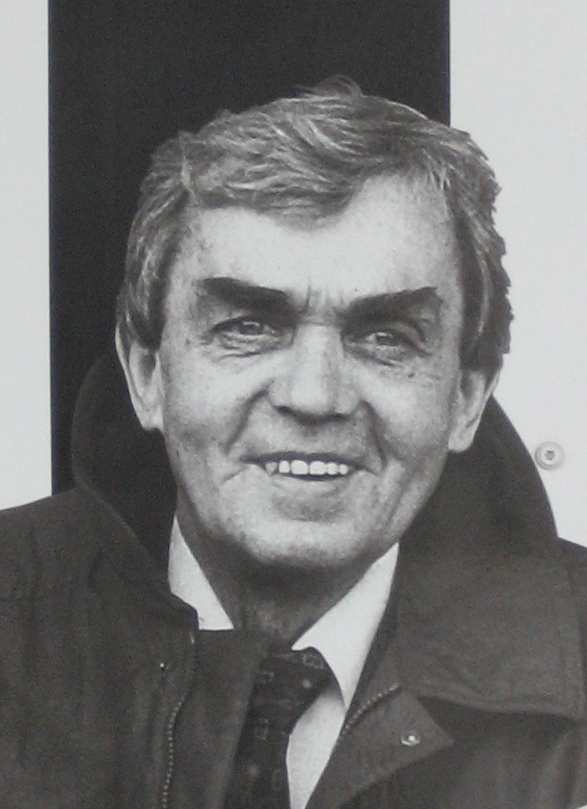


Playing career
Happel began his senior playing career in Austria and became most closely associated with SK Rapid Wien. He also spent time abroad with RC Paris and earned caps for the Austria national team. As a player he was respected for his understanding of the game and leadership on the field — qualities that would be central to his later work as a coach.
Coaching career and achievements
After retiring as a player, Happel embarked on a management career that took him across several countries. He managed prominent clubs in the Netherlands, Belgium, Germany and Austria and guided teams to domestic championships and deep runs in European competition. His tenure at clubs such as Feyenoord, Club Brugge and Hamburger SV brought continental attention; he led sides to finals and won major trophies, establishing a record of success in different national leagues.
Happel also managed at international level, taking charge of national teams at major tournaments. His teams were noted for tactical discipline, organization and an emphasis on collective play rather than individual flair. Peers and observers often credited him with clear match preparation and the ability to adapt tactics to opponents.
Legacy
Happel's impact on the game is commemorated in Austria and beyond. Vienna's national stadium was renamed the Ernst‑Happel‑Stadion in his honor, reflecting his standing in Austrian sport. He is remembered as a coach who combined practical tactical acumen with an ability to succeed in varied football cultures, leaving a legacy of professionalism for later generations of managers.
Notable facts
- Distinguished career spanning player and manager roles across several European countries.
- Renowned for winning domestic titles and achieving strong performances in European club competitions.
- Honored in Austria by the renaming of the national stadium.
Questions and answers
Q: Who was Ernst Happel?
A: Ernst Franz Hermann Happel was a former Austrian football player and football coach.
Q: Which football teams did Ernst Happel play for?
A: Ernst Happel played for SK Rapid Wien, RC Paris, and the Austria national team.
Q: When was Ernst Happel born and when did he die?
A: Ernst Happel was born on November 29th, 1925 and he died on November 14th, 1992.
Q: Did Ernst Happel only play football or did he also coach?
A: Ernst Happel both played and coached football.
Q: Which country was Ernst Happel from?
A: Ernst Happel was from Austria.
Q: Did Ernst Happel have success in his football career?
A: Yes, Ernst Happel had success in his football career both as a player and as a coach.
Q: What was the name of the team that Ernst Happel played for in France?
A: Ernst Happel played for RC Paris while in France.
Related articles
Author
AlegsaOnline.com Ernst Happel — Austrian football player and coach Leandro Alegsa
URL: https://en.alegsaonline.com/art/32024
Sources
- national-football-teams.com : "Ernst Happel"
- rsssf.com : "Ernst Happel - International Appearances"