
Ernesto Lecuona: Cuban composer and pianist
Ernesto Lecuona (1895–1963) was a Cuban pianist and prolific composer whose songs and piano pieces popularized Cuban rhythms worldwide; author of over 600 works including 'Malagueña' and 'Siboney'.
Ernesto Lecuona (August 6, 1895 – November 29, 1963) was a Cuban pianist and composer who became one of the best-known musical figures to emerge from Cuba in the 20th century. Celebrated for his technical command at the keyboard and his melodic gifts, Lecuona wrote more than six hundred pieces spanning salon piano works, songs, stage numbers and arrangements that drew on Cuban and Spanish musical traditions.
Image gallery
3 Images

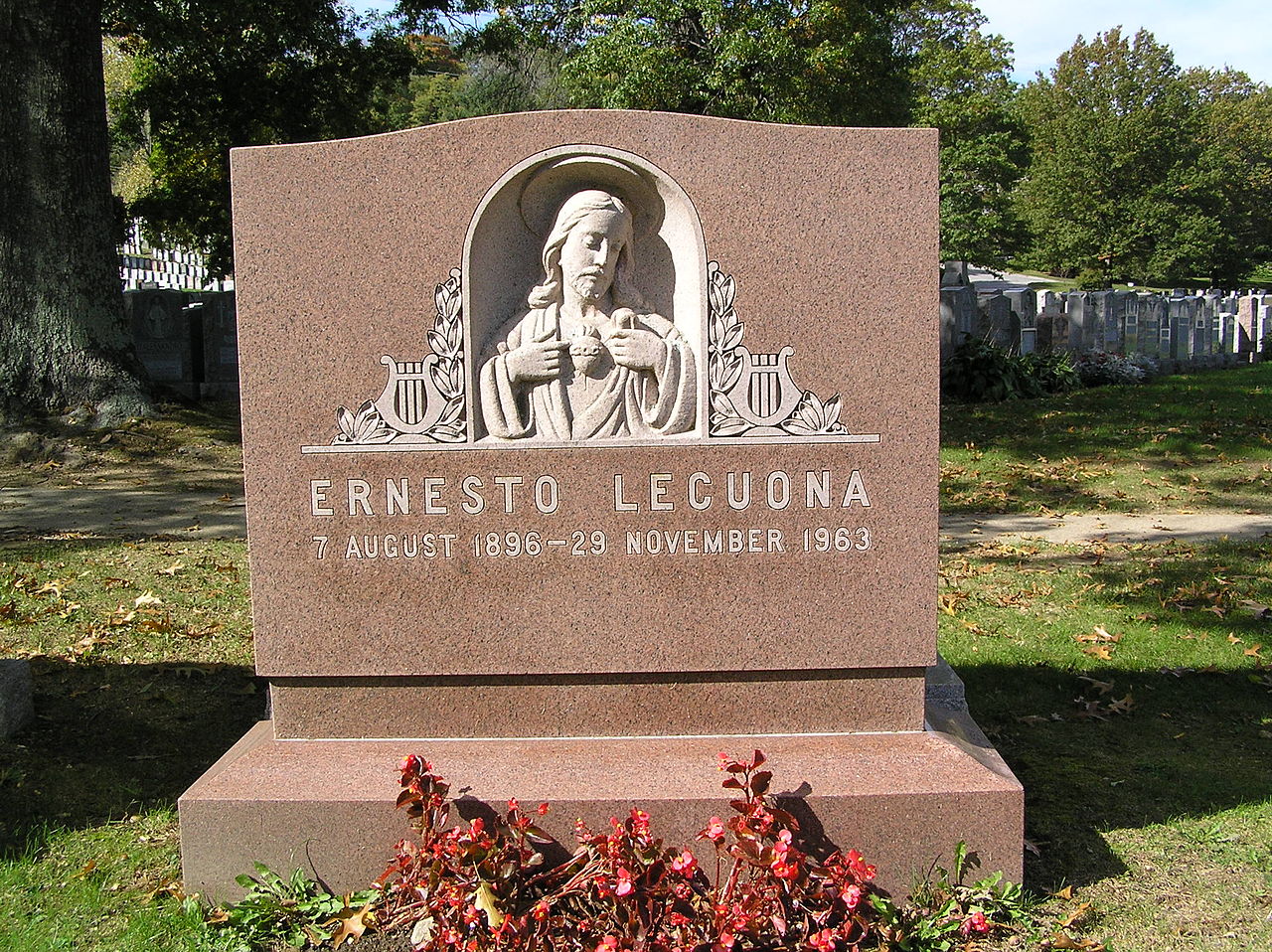
Musical style and notable works
Lecuona's music blends classical training with Afro-Cuban and Spanish popular elements. His piano miniatures and songs capture the rhythms and colors of the island while remaining accessible to international audiences. Among his most enduring compositions are "Malagueña," a dramatic showpiece often played as a solo and arranged for guitar and orchestra; "Siboney," a lyrical song that entered the standard repertoire of Latin popular music; and "La Comparsa," known for its carnival-like procession theme. Many of his pieces have been adapted by jazz and popular musicians, demonstrating their broad appeal.
Career and development
A child prodigy, Lecuona wrote his first song at eleven and won a Gold Medal in piano interpretation on graduating from the National Conservatory of Havana at sixteen. He gave early performances in Havana and extended his reach northward with concerts in New York beginning in 1916. Over subsequent decades he performed across the Americas and Europe, composed for stage and screen, and helped bring Cuban rhythmic vocabulary into concert halls and popular dance venues worldwide.
Legacy and influence
Lecuona's catalog supplied material for touring ensembles and recording artists; a popular touring group used the name "Lecuona Cuban Boys," presenting many of his works to international audiences. His melodies continue to be taught, recorded and arranged, and pieces like "Malagueña" remain staples in recital programs. Lecuona is remembered both for technical brilliance as a pianist and for composing music that bridged classical refinement and popular Cuban forms.
Further reading and resources
Questions and answers
Q: Who was Ernesto Lecuona?
A: Ernesto Lecuona was a Cuban composer and pianist.
Q: How many pieces did Lecuona compose?
A: Lecuona composed over six hundred pieces.
Q: What type of music did Lecuona mostly compose?
A: Lecuona mostly composed music in the Cuban vein.
Q: When did Lecuona compose his first song?
A: Lecuona composed his first song at the age of 11.
Q: Where did Lecuona graduate from?
A: Lecuona graduated from the National Conservatory of Havana.
Q: What kind of medal did Lecuona receive upon graduation?
A: Lecuona received a Gold Medal for interpretation upon graduation.
Q: When did Lecuona perform in New York?
A: Lecuona performed in New York in 1916.
Related articles
Author
AlegsaOnline.com Ernesto Lecuona: Cuban composer and pianist Leandro Alegsa
URL: https://en.alegsaonline.com/art/32005