
Eric X of Sweden (Erik Knutsson), King of Sweden 1208–1216
Eric X (Erik Knutsson) ruled Sweden 1208–1216; he seized the throne after victories at Lena and Gestilren, was crowned in 1210, received papal confirmation in 1216, and secured the House of Eric's standing.
Overview
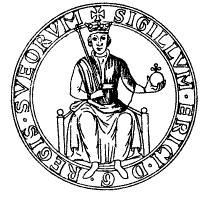
Eric X, commonly called Erik Knutsson (c. 1180 – 10 April 1216), was a medieval Swedish king who reigned from 1208 until his death in 1216. He was a son of King Knut Eriksson and a leading member of the dynasty later known as the House of Eric. His reign came during a prolonged period of competition between the Eric and Sverker dynasties, and is primarily known through saga material, contemporary chronicles, and occasional papal correspondence. Many details remain uncertain, but Eric’s military successes and his coronation mark important moments in the consolidation of royal authority in Sweden.
Image gallery
5 Images


Early life and exile
Little is recorded about Eric’s childhood. He appears as one of several sons of Knut Eriksson who were involved in the dynastic struggles of the late 12th and early 13th centuries. After the Battle of Älgarås in 1205, where three of his brothers were killed, Eric escaped and found refuge with relatives in Norway. He remained abroad for a few years, a common pattern for rival claimants who could expect protection and support from neighbouring courts before returning to press their claims at home.
Return, battles and accession
Eric returned to Sweden in 1208 and quickly engaged the forces of the reigning king, Sverker II. At the Battle of Lena (1208) Eric defeated Sverker’s army; this victory allowed him to establish his position as a contender for the throne. Although Lena did not end the dynastic struggle, it substantially weakened Sverker’s hold on power. In 1210 Sverker attempted a comeback but was killed at the Battle of Gestilren, where Eric’s forces prevailed. These engagements—Lena and Gestilren—are the decisive military events associated with Eric’s rise.
Marriage and alliances
In 1210 Eric married Rikissa of Denmark, daughter of Valdemar I of Denmark and Sophia of Novgorod. This marriage carried diplomatic weight and helped to secure Eric’s position in the Scandinavian network of alliances and kinship ties. Through such connections the House of Eric extended its influence into neighbouring realms and exchanged marriage ties with Baltic and Danish families.
Coronation and relations with the Church
After the victory at Gestilren, Eric underwent a formal coronation in November 1210. The ceremony was conducted by Bishop Valerius, a prelate who, according to sources, had earlier supported Sverker II. The coronation of 1210 is the earliest Swedish coronation for which clear evidence survives and is often cited as an instance of growing ecclesiastical involvement in royal legitimation. Relations with the papacy were important: in 1216 Pope Innocent III finally acknowledged Eric as king and indicated that his authority could extend to pagan lands he might conquer, a phrase commonly interpreted as including parts of what is now Finland. The pope had previously given support to Sverker II, so this recognition helped to consolidate Eric’s international legitimacy.
Domestic rule and economy
Surviving records provide only limited information about Eric’s domestic policies. Contemporary annals and later chronicles offer sparse commentary, though some sources remark that harvests were favorable during his reign. No comprehensive law code or extensive administrative reforms are directly attributed to him in the surviving material; much of what is known of his rule emphasizes military and dynastic affairs rather than detailed governance. As with many medieval Scandinavian kings, the balance of power between regional magnates, the church and the crown shaped practical rule.
Family, children and succession
Eric’s offspring ensured important dynastic links. Known children include Sofia (d. before 24 April 1241), who married Prince Burwin Henry III of Mecklenburg; Marianne (also called Mariana or Marina), identified in some genealogies as a Pomeranian princess; and Ingeborg Eriksdotter, who married Birger Jarl and became an ancestress of later Swedish rulers. A posthumous son, Erik Eriksson (called "Erik the Lisp and the Lame"), was born in 1216 and later became king, continuing the Eric line. Some medieval sources name other daughters, for example a Martha Farmer mentioned in the Karl Chronicle; modern historians debate such claims. Scholars like Dick Harrison have noted that a number of genealogical links were promoted in later centuries for political purposes and must be treated with caution.
Death, burial and site associations
Eric died of a fever in 1216 while at Nas Castle on the island of Visingsö. He was buried at Varnhems Church, which became an important burial place for members of his house. The precise details of the circumstances surrounding his death are scant, but the association with a named castle and island is repeatedly noted in later accounts. The place name is often rendered as Nas Castle in narrative sources and local tradition.
Historical assessment and sources
Eric X’s reign is relatively well framed by military events and by the rare survival of a coronation record, yet documentary evidence of day-to-day governance is sparse. Historians rely on a mix of annals, saga traditions, the Karl Chronicle, papal letters and later genealogical compilations to reconstruct his career. This patchy record requires cautious interpretation: while the broad outlines of his accession and papal recognition are accepted, some genealogical details and attributions in later sources may reflect retrospective claims. For further basic reference material see curated king lists, studies of the Sverker–Eric conflicts (Sverker II) and regional surveys of Scandinavian politics in the early thirteenth century (Sweden, Norway).
Legacy
Although his reign was brief, Eric X helped to establish the Eric dynasty’s continuity at a formative time in Swedish monarchy. His military victories removed a major rival and his coronation and papal acknowledgement contributed to precedents for royal legitimation. Later medieval and modern writers have debated the extent of his achievements, but his role in ending a phase of dynastic contest and shaping succession in the early thirteenth century is widely recognized.
Questions and answers
Q: Who was Eric X of Sweden?
A: Eric X of Sweden (Erik Knutsson, c. 1180 - April 10, 1216) was the King of Sweden between 1208 and 1216.
Q: What is known about his mother?
A: His mother is now unknown.
Q: How did he become King of Sweden?
A: He escaped from the Battle of Älgarås in 1205 where his three brothers were killed and returned to Sweden in 1208 where he defeated Sverker II in the battle of Lena. He was then elected king and coronated in November 1210 after defeating Sverker II again at the Battle of Gestilren.
Q: Who did Eric marry?
A: Eric married Rikissa of Denmark, the daughter of Valdemar I of Denmark and Sophia of Novgorod, in 1210.
Q: What did Pope Innocent III agree to regarding Erik's reign?
A: Pope Innocent III agreed that Erik was King not only over Sweden but also any other pagan lands he captured, likely Finland. Previously, Innocent III had supported Sverker II.
Q: What is known about Erik's reign?
A: Very little is known about King Erik's reign, but it is said that the crops were good while he was king.
Q: Who were some children born to Erik during his reign?
A: Erik had several children including Sofia (died before 24 April 1241), Marianne (a Pomeranian princess also called Mariana or Marina), Ingeborg Eriksdotter (of Sweden) who married Birger Jarl, and Erik Eriksson (calledErik the Lisp and the Lame).
Related articles
Author
AlegsaOnline.com Eric X of Sweden (Erik Knutsson), King of Sweden 1208–1216 Leandro Alegsa
URL: https://en.alegsaonline.com/art/31897