
Epistaxis (Nosebleed): Causes, First Aid, Treatment and Prevention
Epistaxis, commonly called a nosebleed, is bleeding from the nasal cavity. This article explains causes, anatomy, first aid, treatment options, prevention and when to seek medical care.
Overview
Epistaxis is the medical term for bleeding from the nose, commonly known as a nosebleed. It ranges from a minor nuisance to a potentially serious medical problem depending on the source and severity of bleeding. Most nosebleeds originate in the front of the nasal septum (an area rich in small blood vessels), and are described as anterior epistaxis. Less commonly, bleeding arises deeper in the nose or throat and is called posterior epistaxis; these bleeds can be more severe and may require urgent medical treatment. The word epistaxis derives from Greek roots meaning a dripping or stoppage of blood.
Image gallery
8 Images




Causes and risk factors
Nosebleeds result from rupture of fragile blood vessels in the nasal lining. Several factors make these vessels more likely to break:
- Local trauma: nose picking, rubbing, facial injury, or recent nasal surgery.
- Mucosal drying and irritation: dry indoor air, especially when heating is used in winter, and frequent nasal congestion or inflammation.
- Infections and inflammation: upper respiratory infections, allergic rhinitis or chronic sinus disease.
- Medications and medical conditions: blood thinners, antiplatelet drugs, bleeding disorders, and poorly controlled high blood pressure.
- Anatomic causes: deviated septum, nasal polyps, or tumors (less common).
Seasonal changes in temperature and humidity influence how often mucosa dries and irritates, which helps explain why nosebleeds are more frequent in colder, drier months. The actual blood source in many anterior bleeds is a vascular network known as Kiesselbach's plexus; serious posterior bleeds often involve branches of the sphenopalatine artery.
First aid and common treatments
Most nosebleeds stop with simple measures. Recommended first aid steps include:
- Sit upright and lean slightly forward to avoid swallowing blood and reduce blood pressure in the nose.
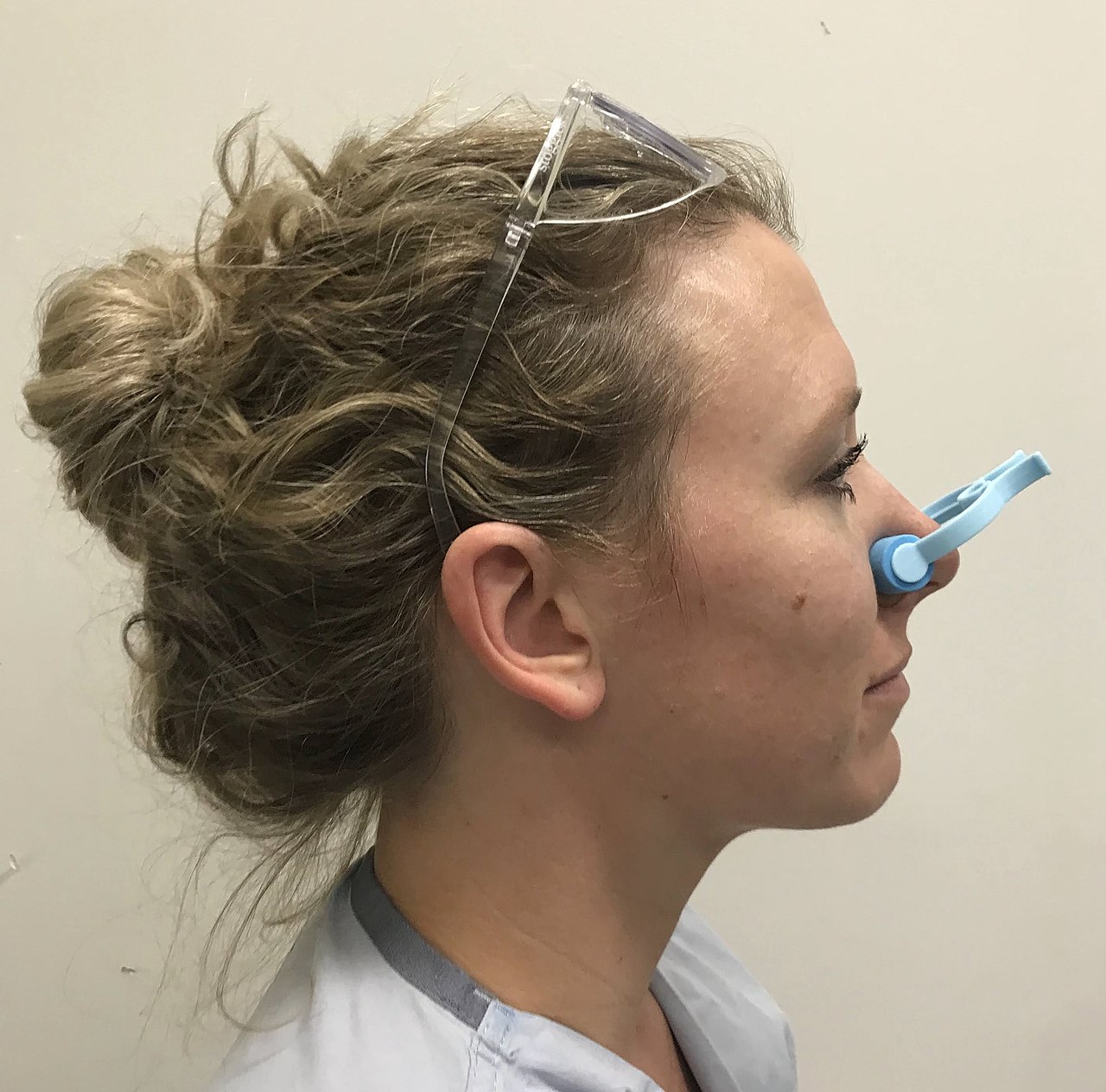
- Pinch the soft part of the nose firmly with thumb and forefinger for 10–15 minutes without checking; breathe through the mouth.
- Apply a cold compress to the bridge of the nose or forehead to help constrict vessels.
- Avoid tilting the head back, packing the nostril with ineffective materials, or blowing the nose for several hours afterwards.
If bleeding persists despite pressure, is heavy, recurs frequently, or is accompanied by fainting or signs of shock, seek medical attention. Medical treatments include topical vasoconstrictors, chemical or electrical cautery of the bleeding site (for visible anterior bleeds), nasal packing, and for severe posterior bleeding, arterial embolization or surgical ligation.
Prevention and when to see a doctor
Preventive measures focus on keeping nasal mucosa moist and reducing irritation: use humidifiers in dry rooms, apply saline sprays or gels, avoid nasal trauma, treat allergies and infections promptly, and review medications with a clinician if bleeding risk is a concern. People with frequent or heavy epistaxis, underlying bleeding disorders, on anticoagulant therapy, or with bleeding after significant facial trauma should consult a healthcare provider. Children commonly experience brief anterior nosebleeds related to digital trauma, while older adults are more likely to have posterior or medication-associated bleeds.
Notable facts
Although alarming, most nosebleeds are benign and manageable at home. Understanding the difference between anterior and posterior epistaxis, using correct first aid, and addressing modifiable risk factors can greatly reduce recurrence. For authoritative clinical guidance and patient resources, consult a healthcare professional or reputable medical sources linked by your provider.
Questions and answers
Q: What is epistaxis?
A: Epistaxis is when blood comes out of the nose, also known as a nosebleed.
Q: Are nosebleeds usually serious or life threatening?
A: No, nosebleeds are usually not serious or life threatening.
Q: Where do most nosebleeds happen?
A: Most nosebleeds happen in the front of the nose, which are called anterior nosebleeds.
Q: What are posterior nosebleeds?
A: Posterior nosebleeds are when people get nosebleeds in the back of their noses, and they are more serious than anterior nosebleeds.
Q: Do people usually have to go to the hospital for anterior nosebleeds?
A: No, most people do not have to go to the hospital for anterior nosebleeds.
Q: When are nosebleeds more frequent?
A: Nosebleeds are more frequent during the winter months.
Q: Why are nosebleeds more frequent during the winter months?
A: nosebleeds are more frequent during the winter months because there are more upper respiratory infections during this time and changes in temperature and humidity are larger.
Related articles
Author
AlegsaOnline.com Epistaxis (Nosebleed): Causes, First Aid, Treatment and Prevention Leandro Alegsa
URL: https://en.alegsaonline.com/art/31746
Sources
- kidshealth.org : "Nosebleeds"
- emedicinehealth.com : "Nosebleeds"
- medicinenet.com : "Nosebleed (Epistaxis)"
- query.nytimes.com : "REALLY?; Tilt your head back to treat a nosebleed"