
Ennepe-Ruhr-Kreis — district in North Rhine-Westphalia, Germany
Ennepe-Ruhr-Kreis is a district in central North Rhine-Westphalia, Germany, named for the Ennepe and Ruhr rivers. It comprises several towns including Witten and combines industrial heritage with river valleys and green hills.
The Ennepe-Ruhr-Kreis is an administrative district in the central part of North Rhine-Westphalia in Germany. Its name reflects the local landscape: the district lies where the rivers Ennepe and Ruhr flow through a network of valleys and low hills. The area blends densely settled towns with stretches of wooded high ground and riverine corridors.
Image gallery
4 Images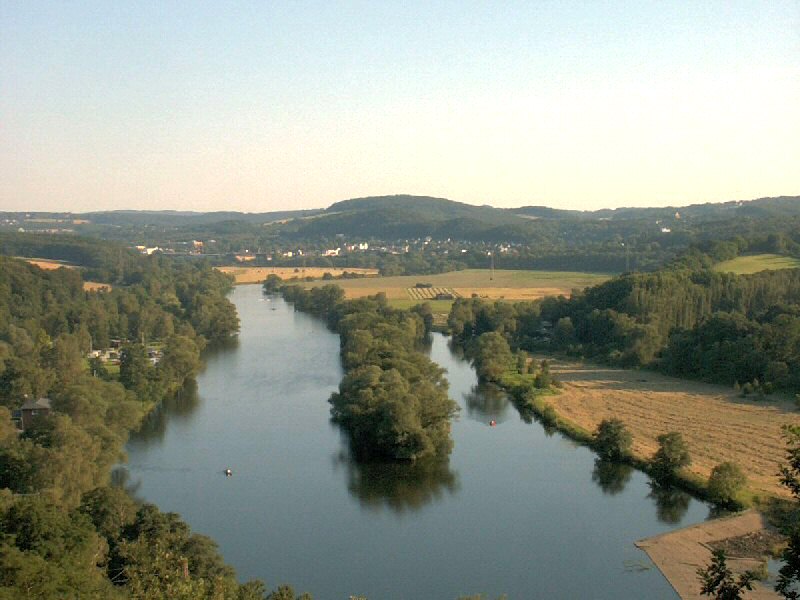


Geography and character
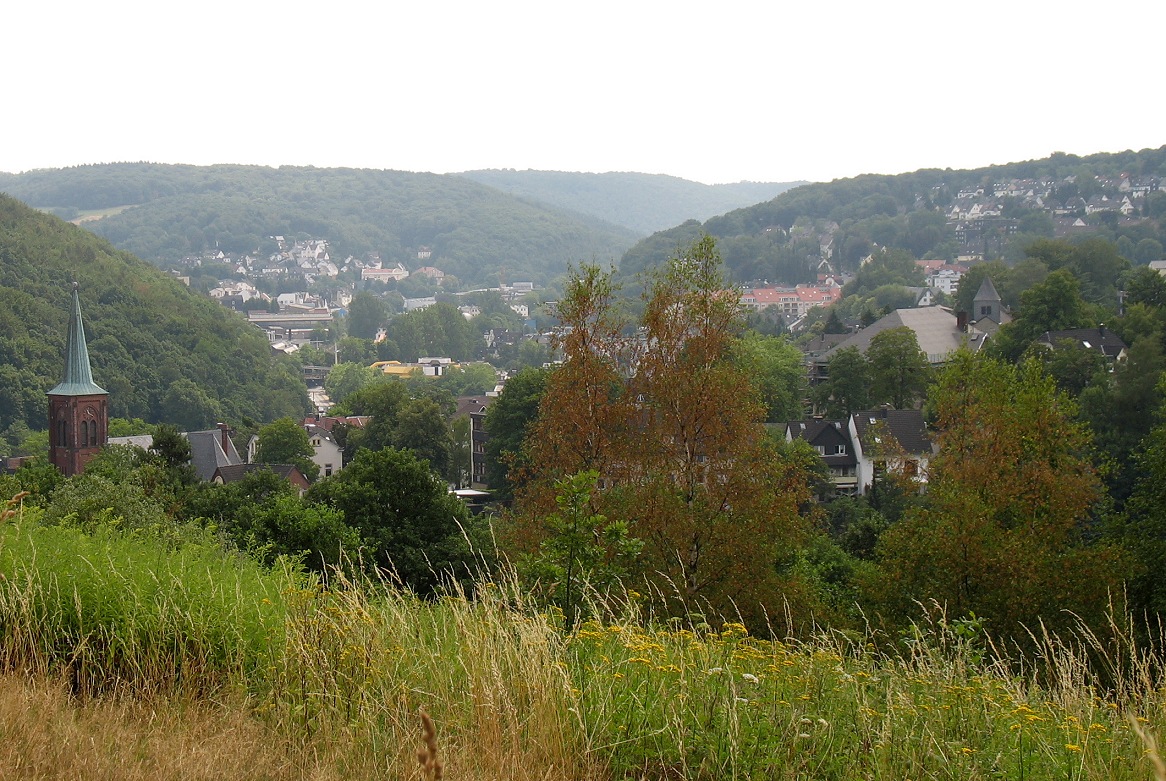
The territory is characterized by narrow valleys carved by tributaries of the Ruhr and by upland areas that form part of the transition from the Ruhr industrial basin to the neighbouring rural regions. Towns and smaller communities are closely spaced, creating an urban-rural mosaic. Rivers and green corridors remain important for local recreation, landscape variety, and ecological connectivity.
History and administration
The modern boundaries and municipal composition of the district were substantially altered during mid-20th-century administrative reforms. Significant reorganizations took place in 1970 and again in 1975, after which the present configuration—now including the city of Witten—was largely settled. The district administration is based in a central town and coordinates services across multiple municipalities.
Municipalities
Ennepe-Ruhr-Kreis contains a collection of towns and small cities that each retain local identities while sharing regional institutions. Principal municipalities include:
- Witten
- Hattingen
- Schwelm
- Gevelsberg
- Ennepetal
- Sprockhövel
- Wetter (Ruhr)
- Herdecke
These places vary from industrially shaped towns to smaller, residential communities and often cooperate on public transport, education, and cultural offerings.
Economy, transport and culture
Historically the district formed part of the broader Ruhr industrial region, with coal, steel and manufacturing playing major roles. Over recent decades the local economy has diversified: light industry and manufacturing coexist with service sectors, technology firms, and a growing emphasis on cultural and environmental tourism. Transport links—road and rail—connect the district with nearby urban centers, making it a commuter area as well as an industrial and commercial zone.
For visitors and residents the mix of river valleys, hiking trails, historic town centres and museums reflects both the industrial past and the landscape values of the region. Local initiatives often promote river restoration, cycling routes and the adaptive reuse of former industrial sites as cultural venues.
Questions and answers
Q: Where is the Ennepe-Ruhr-Kreis located?
A: The Ennepe-Ruhr-Kreis is located in the middle of North Rhine-Westphalia, Germany.
Q: When were changes made to the old district?
A: Changes were made to the old district in 1970 and 1975.
Q: What city does the Ennepe-Ruhr-Kreis currently include?
A: The Ennepe-Ruhr-Kreis currently includes the city of Witten.
Q: How did the district get its name?
A: The district got its name because it is in the valleys of the rivers Ruhr and Ennepe.
Q: Is the Ennepe-Ruhr-Kreis a river or a district?
A: The Ennepe-Ruhr-Kreis is a district.
Q: Where do the rivers Ruhr and Ennepe flow?
A: The rivers Ruhr and Ennepe flow through the valleys where the Ennepe-Ruhr-Kreis is located.
Q: What is the Ennepe-Ruhr-Kreis known for?
A: The Ennepe-Ruhr-Kreis is known for being a district located in the valleys of the rivers Ruhr and Ennepe in North Rhine-Westphalia, Germany.
Related articles
Author
AlegsaOnline.com Ennepe-Ruhr-Kreis — district in North Rhine-Westphalia, Germany Leandro Alegsa
URL: https://en.alegsaonline.com/art/31529
Sources
- it.nrw.de : "Amtliche Bevölkerungszahlen"