
Enhanced Fujita scale
A damage-based system for rating tornado strength, the Enhanced Fujita (EF) scale refines the original Fujita scale using damage indicators to estimate wind speeds and assess tornado impacts.
The Enhanced Fujita scale is a system used to classify the intensity of tornado events by assessing the damage they produce, rather than by direct wind measurements. It is the modern replacement for the original Fujita scale and is applied in post-storm damage surveys to estimate wind speeds and to communicate severity. The scale is used in the United States, in Canada, and by meteorological services in several other countries. The U.S. National Weather Service began using the Enhanced Fujita scale on February 1, 2007, and Canada adopted it in April 2013. The original Fujita scale was developed by Tetsuya T. Fujita and colleagues; the Enhanced version reorganizes and refines the methodology.
Image gallery
10 Images





How the scale works
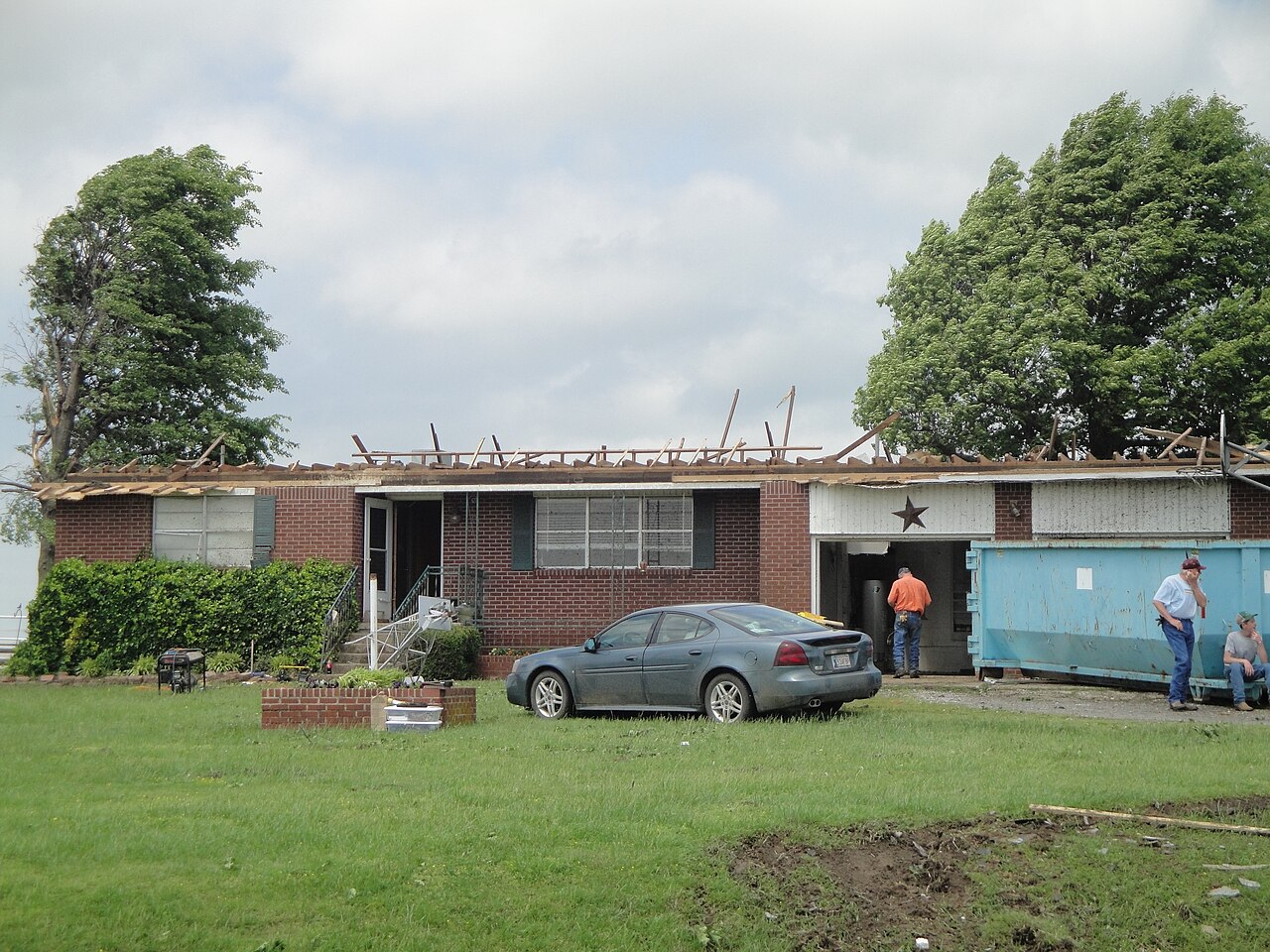
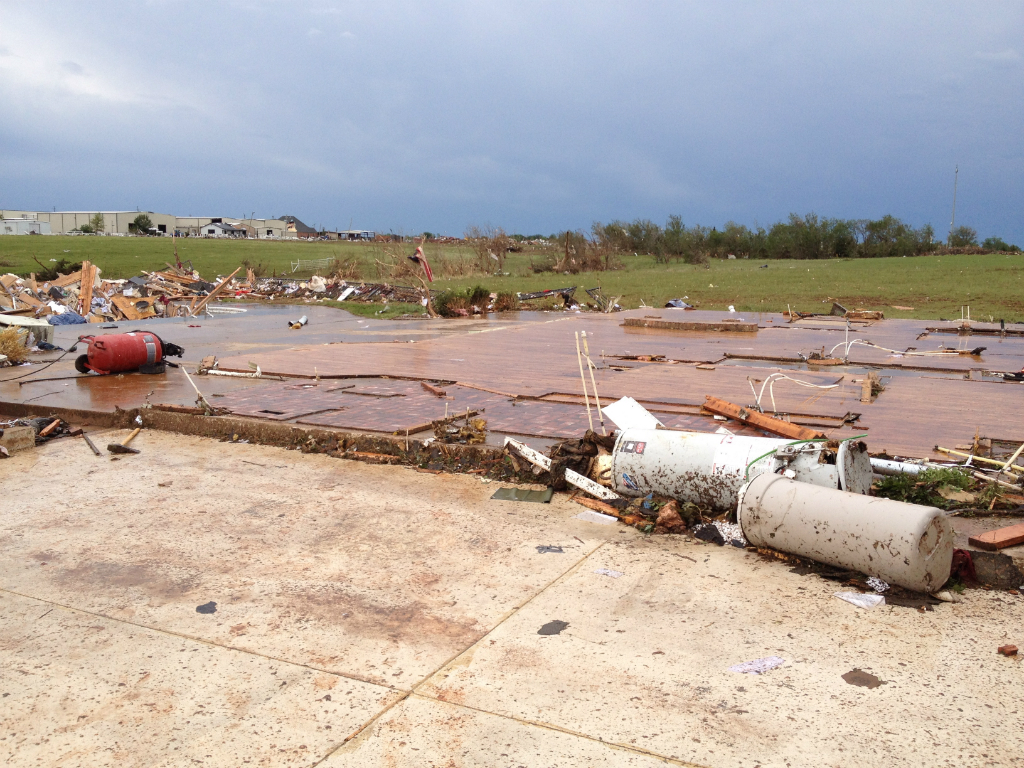
Instead of assigning ratings primarily on visual estimates, the Enhanced Fujita scale relies on systematic damage assessment. Survey teams examine structures, vegetation, and other affected items, using a set of damage indicators and associated degrees of damage to estimate three-second gust wind speeds. These assessments are then mapped to category ratings from EF0 (weakest) to EF5 (most violent). Typical descriptive ranges commonly cited for estimated wind speeds are: EF0 (light damage), EF1 (moderate), EF2 (considerable), EF3 (severe), EF4 (devastating), and EF5 (incredible), with EF5 representing estimated winds in excess of roughly 200 miles per hour.
Categories and examples
- EF0–EF1: Damage to roofs, siding, and trees; vehicles may be pushed off roads.
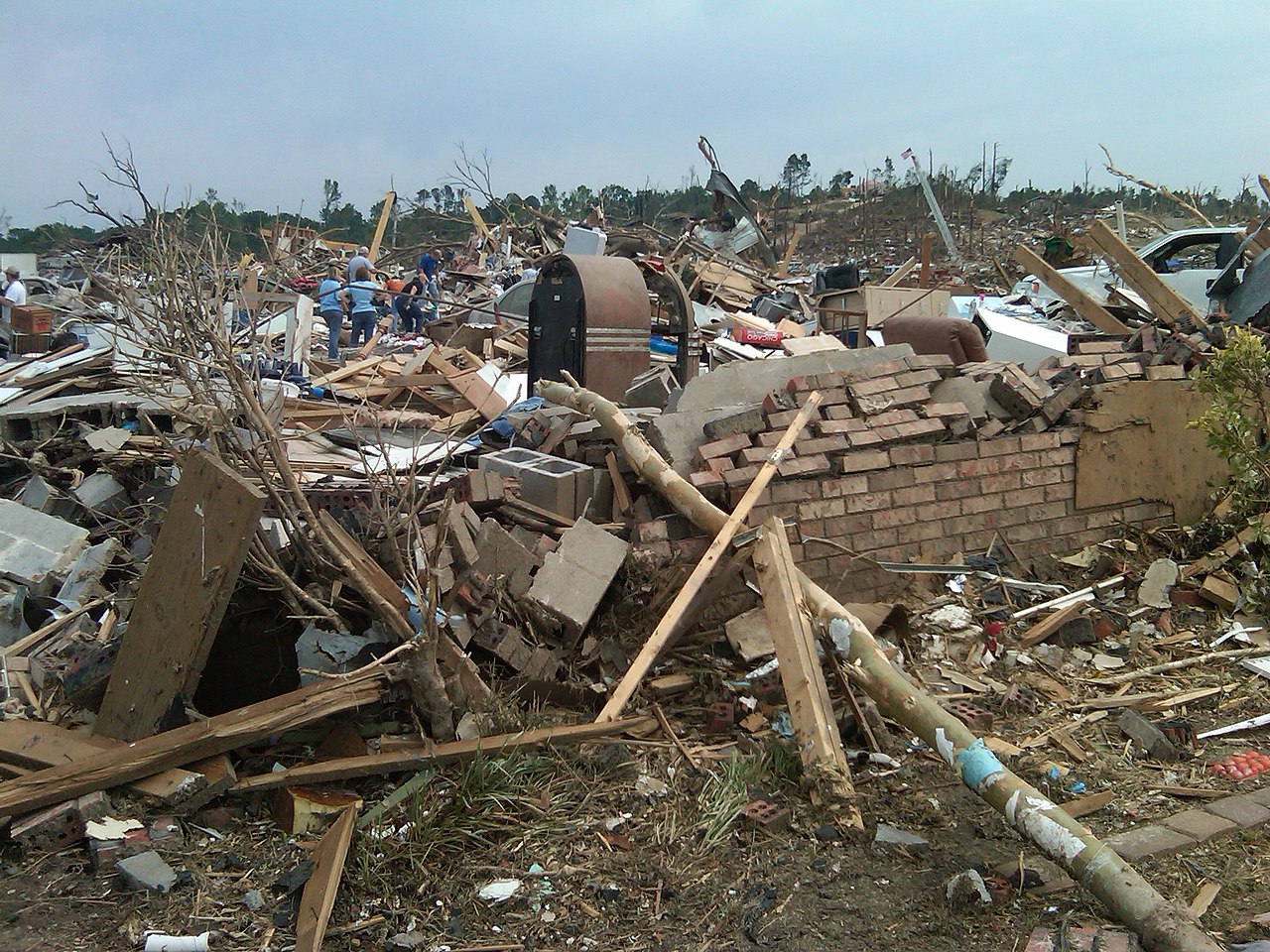
- EF2–EF3: Major structural damage, loss of roofs, walls collapsed; large trees uprooted.
- EF4–EF5: Devastating to near-total destruction of well-built structures; EF5 denotes the most extreme wind estimates.
Damage from well-documented events, such as the 2011 Joplin tornado (rated EF5), illustrates the scale's role in distinguishing levels of community impact and guiding response and rebuilding priorities.
History and development
The Enhanced Fujita scale was developed to address limitations of the original Fujita scale, chiefly by calibrating wind estimates to observed damage on modern structures and by defining a broader set of damage indicators. The methodology was created through collaboration among meteorologists, structural engineers, and researchers to make ratings more consistent and scientifically defensible. In the United States, historical tornado ratings given before February 1, 2007 were not retroactively converted to EF ratings on official records, though researchers sometimes translate older ratings for comparative studies.
Uses, importance, and notable facts
Emergency managers, engineers, climatologists, insurers, and the public use EF ratings to understand tornado severity and to plan mitigation, building codes, and reconstruction. Because the scale is damage-based, ratings can be influenced by the availability and type of structures in the tornado’s path: a powerful tornado crossing open fields may cause less ratingable damage than a weaker tornado striking dense urban construction. The Enhanced Fujita approach reduces ambiguity by providing detailed guidance, but surveyors still apply judgement when interpreting complex scenes.
For more technical background and official guidance, see resources from the National Weather Service and other agencies. For historical context and comparison with the original system consult materials about the Fujita scale.
Questions and answers
Q: What is the Enhanced Fujita scale?
A: The Enhanced Fujita scale is a tornado category scale used to measure tornadoes in the United States and Canada, and some other countries by how bad their damage is.
Q: When did the National Weather Service start using the Enhanced Fujita scale?
A: The National Weather Service started using the Enhanced Fujita scale on February 1, 2007.
Q: When did Canada start using the Enhanced Fujita scale?
A: Canada started using the Enhanced Fujita scale in April 2013.
Q: How are tornadoes classified on the Enhanced Fujita scale?
A: Tornadoes on the Enhanced Fujita scale are classified from EF0 (weakest) to EF5 (strongest storms).
Q: What does the EF5 label on the Enhanced Fujita scale represent?
A: Tornadoes with the EF5 label represent winds faster than 200 miles an hour.
Q: What did the Enhanced Fujita scale replace in America?
A: The Enhanced Fujita scale replaces the old Fujita scale in America.
Q: Will the ratings of tornadoes that happened before February 1, 2007 in the United States be changed to the new scale?
A: No, tornadoes in the United States that happened before February 1, 2007 will not have their ratings changed to the new scale.
Related articles
Author
AlegsaOnline.com Enhanced Fujita scale Leandro Alegsa
URL: https://en.alegsaonline.com/art/31502
Sources
- spc.noaa.gov : "Enhanced F Scale for Tornado Damage"