
Englischer Garten — Munich's historic public park
Englischer Garten is a large public park in Munich, Bavaria. Created in the late 18th century, it combines English landscape design, waterways, lawns and cultural landmarks and remains a major recreational area.
The Englischer Garten ("English Garden") is a vast municipal park that stretches from central Munich toward the northeastern edge of Bavaria and forms one of the city's principal green spaces in Germany. Established in the late 18th century, it was conceived as a public landscape in the English style and developed over decades into a mix of broad lawns, planted groves, winding waterways and built follies intended for public enjoyment.
Image gallery
10 Images





Characteristics and principal features
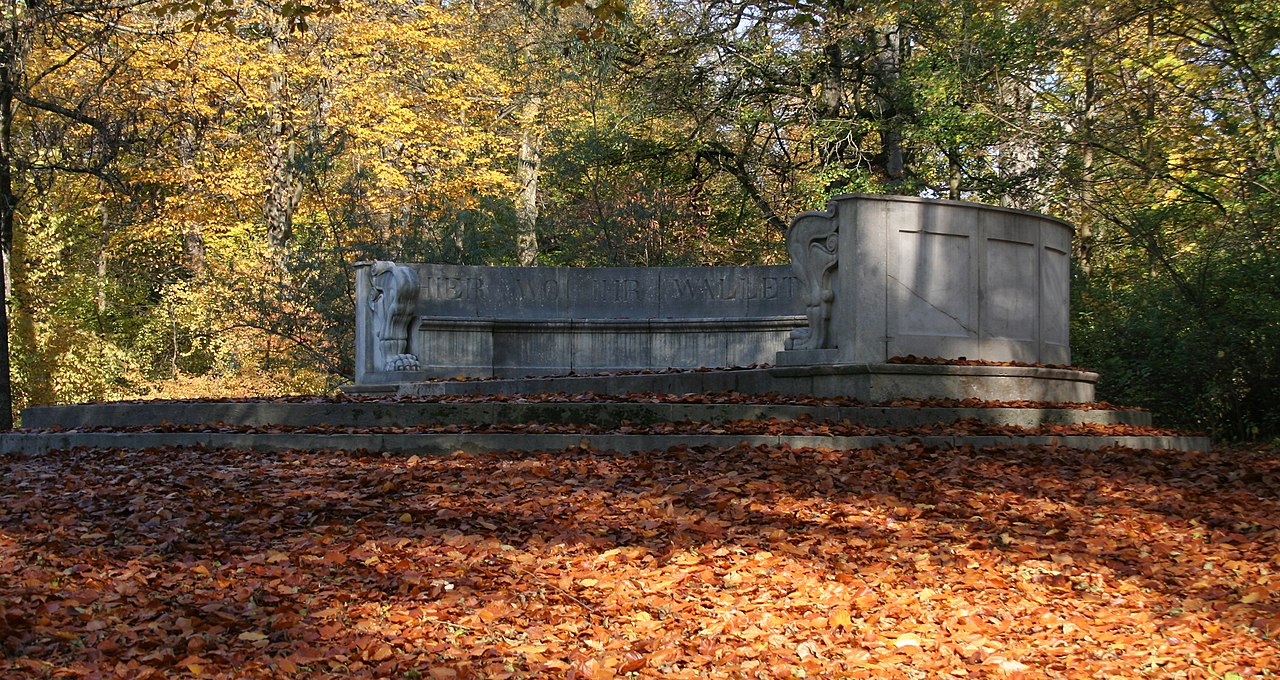
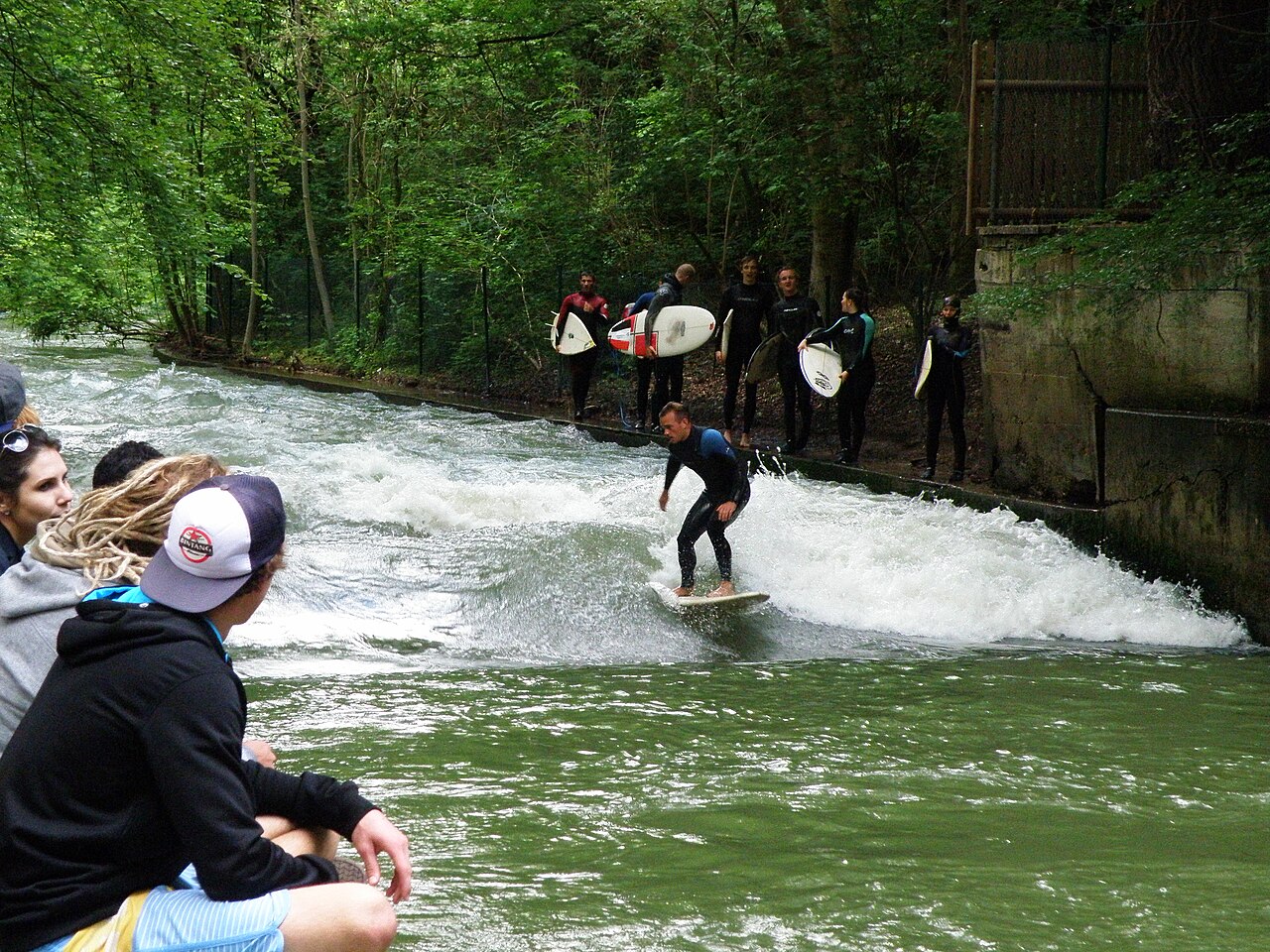
The park is notable for its informal, naturalistic layout: open meadows for picnics and sports, wooded promenades, and small lakes and streams that cross the site. Key landmarks include the Chinesischer Turm (Chinese Tower) with a large beer garden at its base, the small lake popular for rowboats, a picturesque hill crowned by a classical-style temple, and the fast-flowing Eisbach stream that has become famous for its standing wave used by surfers. The mixture of designed views and everyday amenities creates a variety of experiences for visitors.
History and design
Initiated in 1789 by Sir Benjamin Thompson (later Count Rumford) for the Elector of Bavaria, the project was guided and extended by subsequent directors and landscape gardeners. Influenced by the English landscape movement, designers avoided strict geometric layouts in favor of gentle topography, irregular planting and carefully composed sightlines. Additions in the 19th century introduced decorative structures, paths and recreational facilities while preserving the park's open character.
Uses, culture and ecology
Today the Englischer Garten serves multiple roles: a recreational area for walking, cycling, picnicking and swimming; a social hub thanks to its beer gardens and cafés; and an informal cultural stage for festivals and everyday life. The Eisbach wave attracts international surfers in the city center, while large lawns host informal sports and sunbathing; some secluded spots are also known for clothing-optional sunbathing. The park contributes to urban biodiversity by providing habitat corridors, mature trees and aquatic environments within the built city.
Notable distinctions and practical information
As one of the largest inner-city parks in the world, the Englischer Garten is often cited alongside other great urban parks for its scale and historic continuity. It is municipal property and managed with a mix of conservation and public-access goals. Visitors typically arrive on foot, by bicycle or public transport; year-round the park offers a changing experience with seasonal planting and events that reflect Munich's civic life.
- Main attractions: Chinese Tower beer garden, lake with boat rentals, Monopteros-like temple, Eisbach surfing wave.
- Activities: walking, cycling, boating, swimming, picnicking, watching or joining river surfing.
- Design legacy: a notable local example of English landscape garden principles adapted to a German urban setting.
Questions and answers
Q: What is the Englischer Garten?
A: The Englischer Garten is a large public park in the centre of Munich, Bavaria, Germany.
Q: When was the Englischer Garten created?
A: It was created in 1789 by Sir Benjamin Thompson (1753–1814), later Count Rumford (Reichsgraf von Rumford), for Prince Charles Theodore, Elector of Bavaria.
Q: Who were the advisers on the project?
A: The advisers on the project from its beginning were Reinhard von Werneck (1757–1842) and Friedrich Ludwig von Sckell (1750–1823).
Q: What did the successors of Sir Benjamin Thompson do to improve the park?
A: Reinhard von Werneck and Friedrich Ludwig von Sckell both extended and improved the park.
Q: What does "Englischer Garten" mean in German?
A: "Englischer Garten" means "English Garden" in German.
Q: Where does the Englischer Garten stretch from?
A: The Englischer Garten stretches from the city centre to the northeastern city limits.
Q: Who was Sir Benjamin Thompson also known as?
A: Sir Benjamin Thompson was also known as Count Rumford (Reichsgraf von Rumford).
Related articles
Author
AlegsaOnline.com Englischer Garten — Munich's historic public park Leandro Alegsa
URL: https://en.alegsaonline.com/art/31463