
Energy conservation: principles, methods, benefits and policy
Energy conservation is the practice of reducing energy use through behavior, technology and policy to save money, reduce emissions, and increase resilience.
Energy conservation means using less energy to perform the same tasks or to achieve the same level of service. It includes actions by individuals, businesses and governments that lower the amount of energy consumed, whether by changing behavior, improving technologies, or designing systems more intelligently. Conservation differs from energy supply options; it focuses on reducing demand rather than producing more energy. For further background see basic definitions.
Image gallery
9 Images



Concepts and distinctions
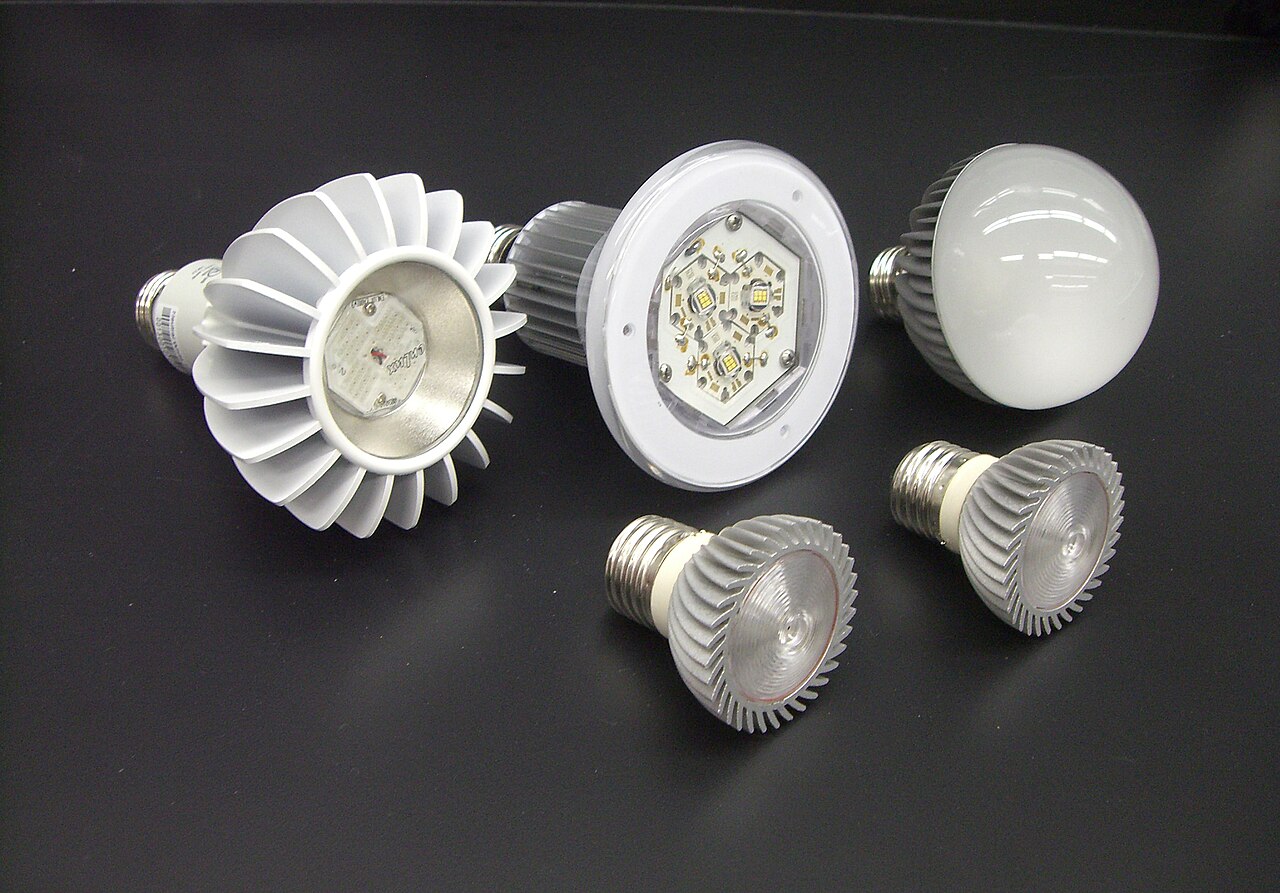
Two ideas are often conflated: energy conservation and energy efficiency. Conservation typically refers to using less energy through reduced activity or altered habits (for example, turning off lights or lowering thermostats). Efficiency means obtaining the same output with less energy input (for example, LED bulbs or high-efficiency heat pumps). Both reduce consumption but rely on different approaches. Discussions of conservation frequently draw on economic and environmental analyses; learn more at economic impacts and environmental considerations.
History and policy context
Modern energy conservation gained attention during energy crises of the 1970s and expanded as concerns about air pollution and climate change grew. Governments have adopted measures such as building codes, appliance standards, incentives, and public campaigns to encourage reduced use. Energy conservation is a core element of many national energy policies because lowering demand can delay or avoid the need for new generation and fuel imports. Policy tools and frameworks are discussed in more detail at energy policy resources.
Common measures and technologies
- Behavioral changes: turning off unused equipment, adjusting thermostats, car-pooling.
- Lighting: replacing incandescent bulbs with LEDs and using controls like timers and sensors.
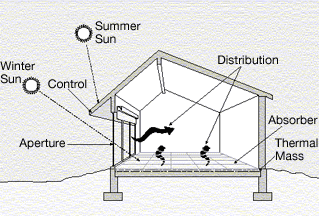
- Building improvements: insulation, air-sealing, efficient windows and passive solar design.
- Appliances and equipment: energy-rated appliances, efficient motors and variable-speed drives.
- Operational changes: demand management, scheduling, and maintenance that preserve performance.
These measures often work best in combination and can be supported by information campaigns, financial incentives or regulations; see examples at programs and incentives.
Benefits and broader impacts
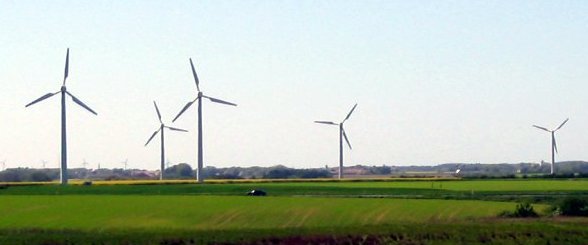
Energy conservation reduces consumer bills and can improve economic competitiveness for businesses by lowering operating costs. It lowers greenhouse gas emissions and other pollutants, contributing to climate goals and public health. Reduced demand increases energy security by lessening dependence on imported fuels and reducing pressure on the grid during peak periods. Conservation can also make it easier to integrate renewable generation by shrinking the gap between supply and demand; related emissions and climate information is available at emissions reduction and climate change resources.
Challenges and practical considerations
Barriers to conservation include upfront costs, split incentives (for example, landlords vs tenants), lack of information, and rebound effects where efficiency gains lead to increased use. Overcoming these obstacles often requires a mix of regulation, market incentives, and education. While conservation is often the most cost-effective first step in addressing energy shortages, it must be integrated with efficiency improvements and clean energy deployment to achieve long-term sustainability; see transition strategies for more.
Questions and answers
Q: What is energy conservation?
A: Energy conservation is the practice of reducing the amount of energy used for different purposes.
Q: What benefits can be gained from energy conservation?
A: Energy conservation can lead to an increase in financial capital, environmental value, national and personal security, and human comfort.
Q: Why do individuals and organizations conserve energy use?
A: Individuals and organizations conserve energy use to reduce costs and promote economic, political, and environmental sustainability.
Q: Why might industrial and commercial users want to increase energy efficiency?
A: Industrial and commercial users may want to increase energy efficiency to maximize profit.
Q: What is the larger scale impact of energy conservation?
A: Energy conservation on a larger scale reduces energy consumption and energy demand per capita, reduces the rise in energy costs, and can reduce the need for new power plants and energy imports.
Q: How does energy conservation contribute to preventing climate change?
A: Energy conservation helps to prevent climate change by reducing emissions.
Q: What role can energy conservation play in replacing non-renewable resources with renewable energy?
A: Energy conservation makes it easier to replace non-renewable resources with renewable energy.
Related articles
Author
AlegsaOnline.com Energy conservation: principles, methods, benefits and policy Leandro Alegsa
URL: https://en.alegsaonline.com/art/31413
Sources
- eia.doe.gov : Annual Energy Report
- eia.doe.gov : Annual Energy Outlook
- consumerenergycenter.org : consumerenergycenter.org
- buildingsdatabook.eren.doe.gov : Buildings Energy Data Book
- energy.ca.gov : California's Water-Energy Relationship
- workforce.com : "Best Buy Optimas Award Winner for 2007"
- jncicancerspectrum.oupjournals.org : "Night Shift Work, Light at Night, and Risk of Breast Cancer"
- gcn.com : gcn.com/energy/