
Emilia Pardo Bazán
Spanish novelist, critic and scholar who helped introduce naturalism to Spain, defended women’s education and wrote influential works such as Los pazos de Ulloa (1851–1921).
Emilia Pardo Bazán (16 September 1851 – 12 May 1921) was a prominent Spanish writer and intellectual. Celebrated for novels, short fiction, essays and criticism, she combined literary realism with naturalist techniques and a persistent interest in social questions, especially the condition and education of women.
Image gallery
5 Images
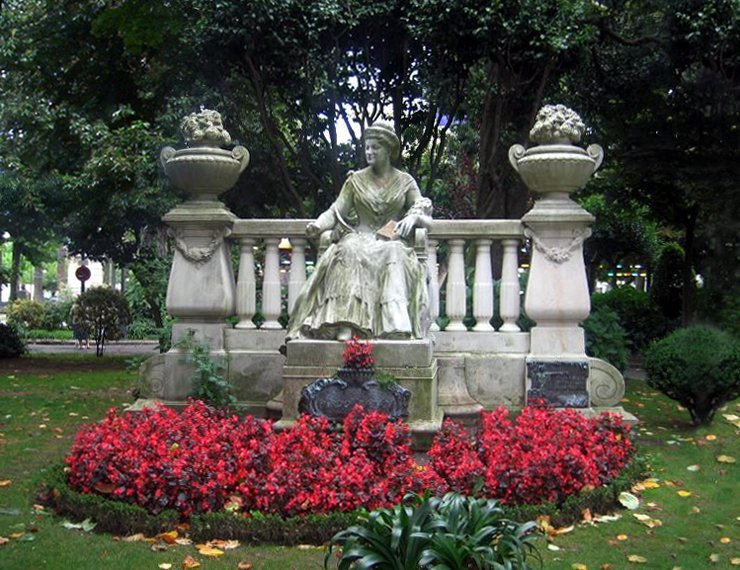


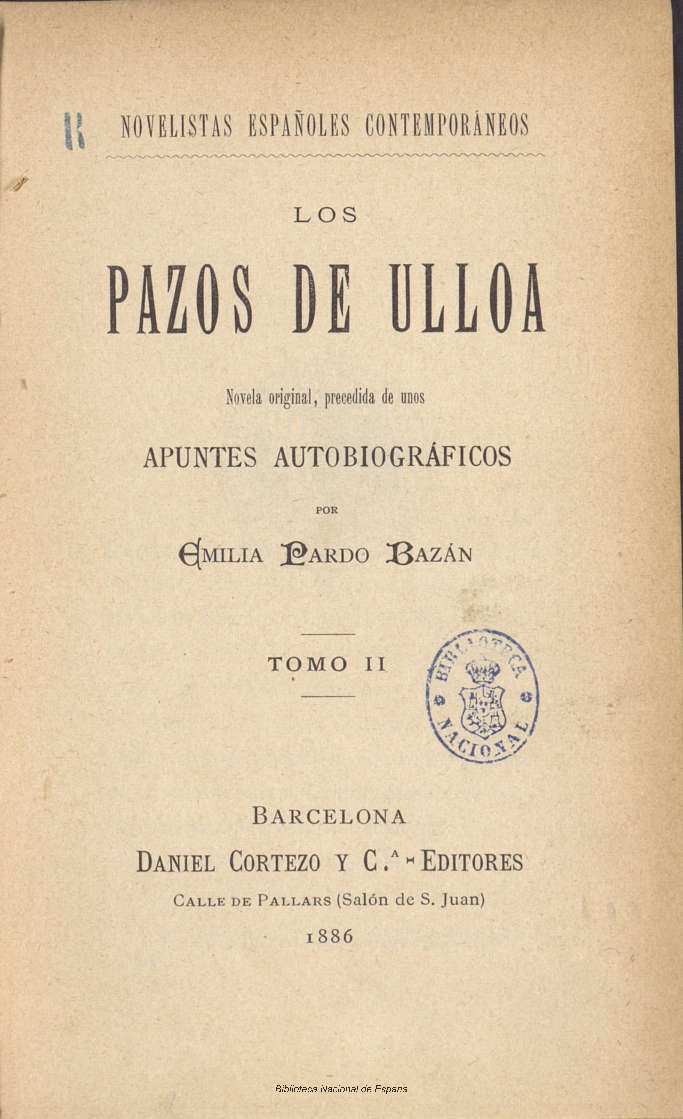
Overview
Born into a Galician aristocratic family, Pardo Bazán used her social position and literary gifts to participate in public debates and to publish widely. She earned recognition as an innovative novelist and an energetic cultural critic who introduced and adapted European literary currents to Spanish audiences. Her work blends narrative description, psychological observation and moral concern.
Work and themes
Her fiction often examines rural life, decay of traditional elites, clerical influence and the tensions between modernity and provincial society. Critics note her use of detailed setting, complex female characters and ironic point of view. In addition to fiction, she wrote literary criticism, articles on education and translations that helped shape contemporary taste.
Importance and legacy
Pardo Bazán was an influential author and a determined public intellectual who argued for broader opportunities for women, particularly in higher education and professional life. She sought admission to learned institutions at a time when many professional and academic doors were closed to women, and her campaign highlighted gender barriers in cultural life.
Her reputation rests on both literary achievement and social engagement: she helped introduce naturalist concerns into Spanish letters while adapting them to national conditions and moral sensibilities. Translations and critical editions of her writing have kept her voice alive for subsequent generations.
Selected aspects and notable facts
- Major genres: novels, short stories, essays, literary criticism and translations.
- Common themes: provincial power structures, religion and morality, women’s roles and education.
- Notable status: known by the noble title Condesa or countess; a public figure in late 19th–early 20th century Spain.
- She is remembered as both a stylist and a social commentator who influenced Spanish realism and debates about gender.
For further reading about her life and work see dedicated biographies and collections of her criticism and fiction; scholarly introductions and editions provide historical context and analysis of her contribution to Spanish letters. Further resources are available for those studying gender, naturalism and the literary culture of her era.
Questions and answers
Q: Who was Emilia Pardo Bazán?
A: Emilia Pardo Bazán was a Spanish author and scholar.
Q: When was Emilia Pardo Bazán born and when did she die?
A: Emilia Pardo Bazán was born on September 16, 1851, and she died on May 12, 1921.
Q: What was Emilia Pardo Bazán's title?
A: Emilia Pardo Bazán was also known as Emilia, countess de Pardo Bazán.
Q: What was Emilia Pardo Bazán's profession?
A: Emilia Pardo Bazán was an author and scholar.
Q: Was Emilia Pardo Bazán a famous author?
A: Yes, Emilia Pardo Bazán was a famous author in Spain.
Q: Did Emilia Pardo Bazán receive any awards for her work?
A: Yes, Emilia Pardo Bazán received awards for her contributions to literature, including the Order of Queen Maria Luisa.
Q: When did Emilia Pardo Bazán receive the Order of Queen Maria Luisa?
A: It is unclear when Emilia Pardo Bazán received the Order of Queen Maria Luisa for her contributions to literature.
Related articles
Author
AlegsaOnline.com Emilia Pardo Bazán Leandro Alegsa
URL: https://en.alegsaonline.com/art/31155