
Alternative fuel vehicle
Vehicles that use fuels or energy carriers other than conventional petroleum-derived gasoline or diesel, including electric, hydrogen, biofuels, natural gas, propane, compressed air and human-powered types.
Overview
An alternative fuel vehicle is any road vehicle that is powered by an energy source other than conventional petroleum-based gasoline or diesel. The term covers a broad spectrum of powertrains and fuels — from battery electric and hydrogen fuel cell vehicles to engines running on bio-based liquids, gaseous fuels or even compressed air. Many alternative fuels aim to reduce local emissions, diversify energy supply, or use renewable feedstocks.
Image gallery
10 Images


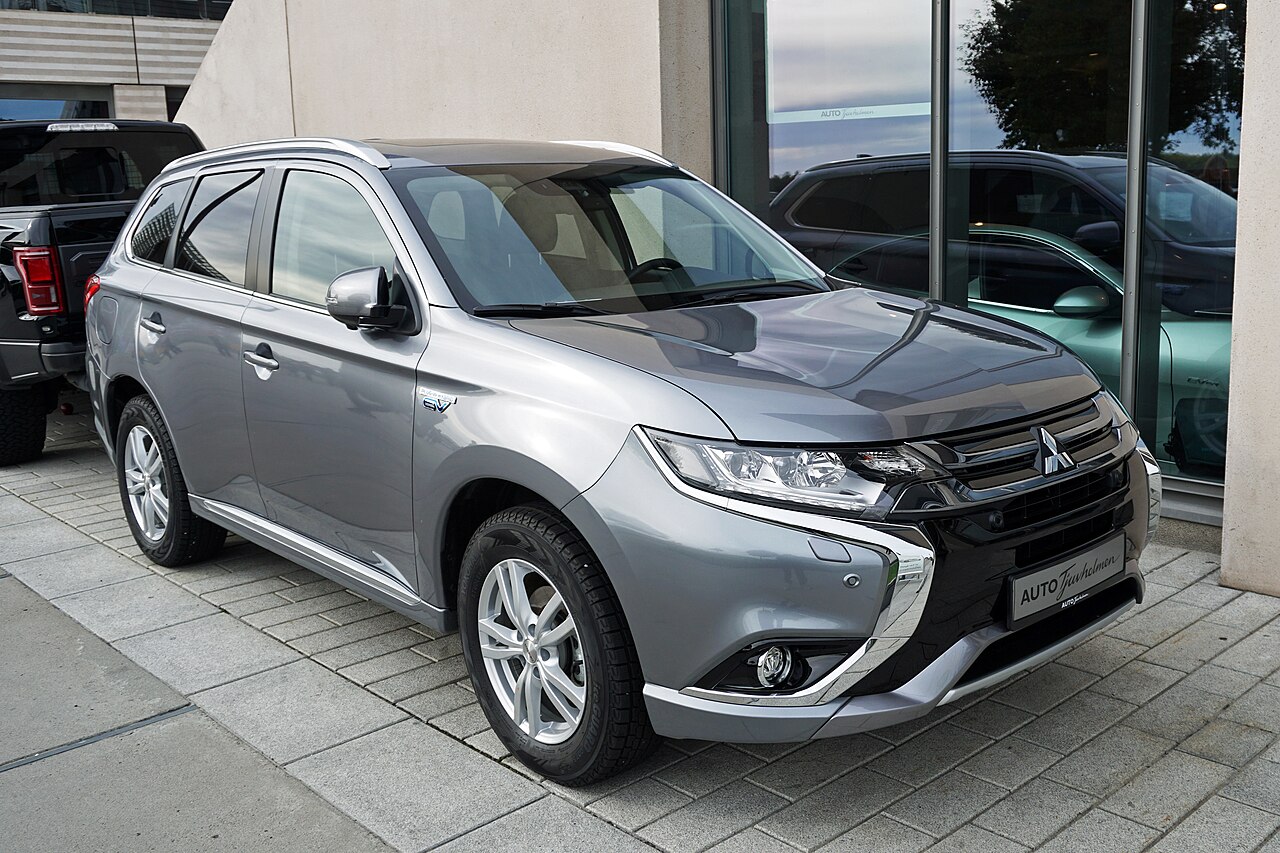


Common types and characteristics
Different alternative fuels have distinct technical and environmental characteristics. The list below summarizes commonly used alternatives and the practical trade-offs associated with each.
- Electric vehicles – run on batteries and electric motors; produce zero tailpipe emissions, though upstream electricity generation determines overall environmental impact.
- Hydrogen / fuel cell vehicles – use hydrogen in a fuel cell to generate electricity; combine fast refuelling and long range but require hydrogen supply infrastructure.
- Natural gas vehicles – operate on compressed or liquefied natural gas; burn cleaner than gasoline in some pollutants but are still a fossil fuel.
- Biodiesel – diesel-like fuel produced from plant or animal oils; can be used in many diesel engines with little modification.
- Ethanol – an alcohol fuel often blended with gasoline (examples include E10 or high‑blend fuels); commonly produced from crops or cellulosic biomass.
- Methanol – another alcohol used in specialized applications and racing; can be produced from natural gas or biomass.
- Butanol – similar to ethanol but with different fuel properties; researched as a drop‑in biofuel.
- Propane (or LPG) – a liquefied petroleum gas used in light and fleet vehicles; widely available in some regions and simple to store.
- Compressed air vehicles – use pressurized air to drive a motor; currently limited by range and energy density and mainly in demonstration stages.
- Non‑petroleum category – fuels and carriers that reduce dependence on imported oil and can retain energy spending domestically.
- Gasoline alternatives – blends and substitutes formulated to replace or reduce conventional gasoline use.
- Renewable sources – feedstocks such as solar‑derived electricity, wind power used for charging, or biomass converted into liquid fuels.
- Emission considerations – many alternative vehicles reduce tailpipe pollutants, though lifecycle emissions depend on production and supply chains.
- Human-powered vehicles – bicycles and similar vehicles provide the most energy‑efficient, zero‑emission transport for short trips.
- Light non‑motorized transport – rickshaws and other pedal or assisted three‑wheelers remain common alternatives in many urban areas.
- Fuel cell technology – the system that converts hydrogen and oxygen into electricity in vehicles without internal combustion.
- LPG / dual‑fuel systems – examples of technologies that allow vehicles to operate on more than one fuel type.
History and development
Alternative fuels and drivetrains are not new: early automobiles experimented with steam, electric and alternative liquid fuels. Interest has waxed and waned with oil prices, regulation, and technological progress. In recent decades, concerns about air quality, energy security and climate change have driven renewed investment in batteries, fuel cells and biofuel production, alongside regulatory incentives and infrastructure development.
Uses, benefits and examples
Alternative fuel vehicles are used across private, commercial and public transport. Fleets — such as buses, delivery vans and municipal vehicles — are often early adopters because centralized refuelling and predictable routes simplify logistics. Benefits can include lower local air pollution, reduced greenhouse gas emissions (when fuels are low‑carbon), and economic advantages from using domestically produced energy carriers.
Challenges and distinctions
Adoption depends on several factors: fuel or electricity availability, upfront vehicle cost, range and refuelling time, and lifecycle environmental impacts. Some options like battery electric vehicles excel at urban driving and low operating emissions, while gaseous fuels or biofuels can be easier to integrate into existing vehicle platforms. Trade‑offs must be evaluated on a system‑wide basis rather than solely at the tailpipe.
Outlook
Continued progress in battery energy density, renewable electricity, hydrogen production and sustainable biofuels will shape the future mix of alternative fuel vehicles. Policy, infrastructure investment and consumer preferences will determine which technologies scale fastest in different regions and use cases.
Questions and answers
Q: What are alternative fuel vehicles?
A: Alternative fuel vehicles are vehicles that use energy from sources other than petroleum, such as natural gas, biodiesel, ethanol, methanol, butanol, hydrogen, compressed air and propane.
Q: What is the benefit of using alternative fuels?
A: The benefit of using alternative fuels is that most of them do not need to be imported from other countries so money stays in the country. Additionally many produce less pollution than gasoline or diesel.
Q: Are there any renewable sources used for alternative fuels?
A: Yes, some (but not all) come from renewable sources. For example biodiesel can be made from plant or animal oils and butanol can be made from biofuels.
Q: What type of vehicle uses electricity as an alternative fuel?
A: Electric vehicles use electricity as an alternative fuel source and they produce no pollution directly from the car itself. However there may be some pollution where the electricity is generated.
Q: Are there any human powered vehicles that use an alternative fuel source?
A: Yes, bicycles, rickshaws and two and three-wheeled human powered vehicles all use an alternative form of energy which does not require a traditional engine or motor to power it.
Q: Is compressed air technology currently being used in cars?
A: Compressed air technology has been developed for cars however they are still in the demonstration stage and range can be a problem with this type of vehicle at present.
Related articles
Author
AlegsaOnline.com Alternative fuel vehicle Leandro Alegsa
URL: https://en.alegsaonline.com/art/3057
Sources
- npr.org : "U.K. To Ban Diesel And Gas Cars In 2040"
- theguardian.com : "France to ban sales of petrol and diesel cars by 2040"
- fueleconomy.gov : "Alternative Fuels"