
Alternative country (alt-country, Americana) — an overview
Alt-country (also called alt-country or Americana) is a roots-influenced strand of country music that blends traditional instrumentation with rock, punk and folk sensibilities and an independent approach.
Overview
Alternative country, often shortened to alt-country or grouped under Americana, describes a broad strand of country music that deliberately departs from the slick, commercial sound of mainstream or pop country. It emphasizes songwriting, authentic-sounding performances and connections to older American musical forms. Alt-country artists frequently foreground narrative lyrics, regional identity and a do-it-yourself ethos rather than aiming solely for radio-friendly singles.
Image gallery
2 Images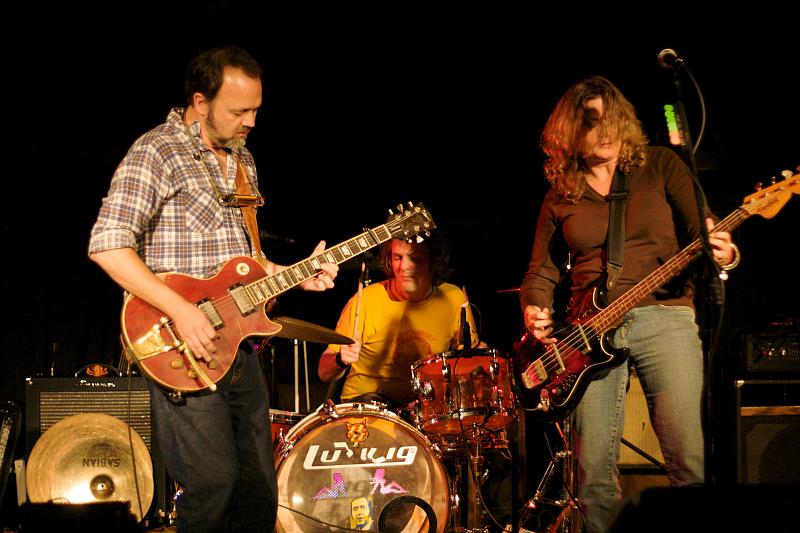

Musical characteristics
Alt-country is not a rigid style but a cluster of approaches that share certain tendencies: raw or intimate production, prominence of traditional instruments, lyrical focus on everyday life or social observation, and a willingness to borrow from other genres. Vocal delivery ranges from twangy and plaintive to rough-edged or conversational. Arrangements can be sparse and acoustic or incorporate rock rhythms and electric guitar textures.
Instruments and production
Common instruments include acoustic and electric guitars, pedal steel, dobro or slide guitar, fiddle, banjo, mandolin and upright bass. Drums and electric bass are used when leaning toward rock influences. Production values often aim for immediacy and warmth rather than digital polish, with independent labels and home studios playing an important role in preserving that aesthetic.
Influences and related genres
- Roots rock — the blending of rock with older American roots styles.
- Bluegrass — acoustic picking, harmony singing and fast instrumental passages.
- Rockabilly — early rock’s country edge and rhythmic drive.
- Alternative rock — indie and post-punk approaches to songwriting and attitude.
- Folk rock — narrative songwriting with electric and acoustic blends.
- Punk — a DIY spirit, raw energy and sometimes confrontational lyrics.
History and notable artists
The term and the movement gained visibility in the late 1980s and 1990s as musicians resisted Nashville conventions and drew attention from independent labels, college radio and regional scenes. A number of widely recognized acts from that era and afterward are commonly associated with alt-country; these artists helped bring roots-based songwriting and independent production to wider audiences while also influencing subsequent singer-songwriters and bands across genres.
Contexts and dissemination
Alt-country has thrived in small clubs, regional festivals and through independent record stores and labels. College and independent radio programs, online communities and curated events have been important channels for discovery. Because the style values authenticity and craft, listeners often seek out live performances and vinyl or independently produced recordings.
Legacy and distinctions
Alt-country’s legacy is a renewed interest in American roots instruments and storytelling approaches, plus the normalization of genre-blending in contemporary popular music. It remains distinct from mainstream country in its production choices, independent distribution networks and often more literate or exploratory lyrical concerns. While definitions vary and overlap with Americana and roots music, alt-country continues to be a useful term for music that marries country traditions with indie, rock or punk sensibilities.
Questions and answers
Q: What is alternative country music?
A: Alternative country music is a type of country music that features singers or bands that sound very different from mainstream or pop country music.
Q: What other names is alternative country music sometimes referred to as?
A: Alternative country music is sometimes referred to as alt-country or Americana.
Q: What are some of the possible influences on alternative country music?
A: Alternative country music can have influences such as roots rock, bluegrass, rockabilly, Americana, honky-tonk, alternative rock, folk rock, or punk.
Q: How does alternative country music differ from mainstream country music?
A: Alternative country music often has a sound that is atypical of mainstream country music, and features influences from other genres such as rock, folk, or punk.
Q: Can traditional country music also be considered alternative country?
A: It is possible for traditional country music to be considered alternative country if it features unique elements that set it apart from mainstream country music.
Q: Are there any notable alternative country artists or bands?
A: Yes, there are many notable alternative country artists and bands, including Wilco, Ryan Adams, Lucinda Williams, Uncle Tupelo, and Neko Case.
Q: What is the significance of alternative country music?
A: Alternative country music offers a unique sound and perspective that can attract fans who are looking for something different from mainstream country music. It also allows for experimentation and creativity within the country music genre.
Tags
Related articles
Author
AlegsaOnline.com Alternative country (alt-country, Americana) — an overview Leandro Alegsa
URL: https://en.alegsaonline.com/art/3055
Sources
- riverfronttimes.com : Fifteen Things You Might Not Know about The Bottle Rockets, on Their Fifteenth Birthday
- query.nytimes.com : Emulating the Real and Vital Guthrie, Not St. Woody