
El Cerrito, California
El Cerrito is a small residential city in Contra Costa County, in the eastern San Francisco Bay Area. It is known for hillside neighborhoods, two BART stations, and a civic history tied to the 1906 San Francisco earthquake.
Overview
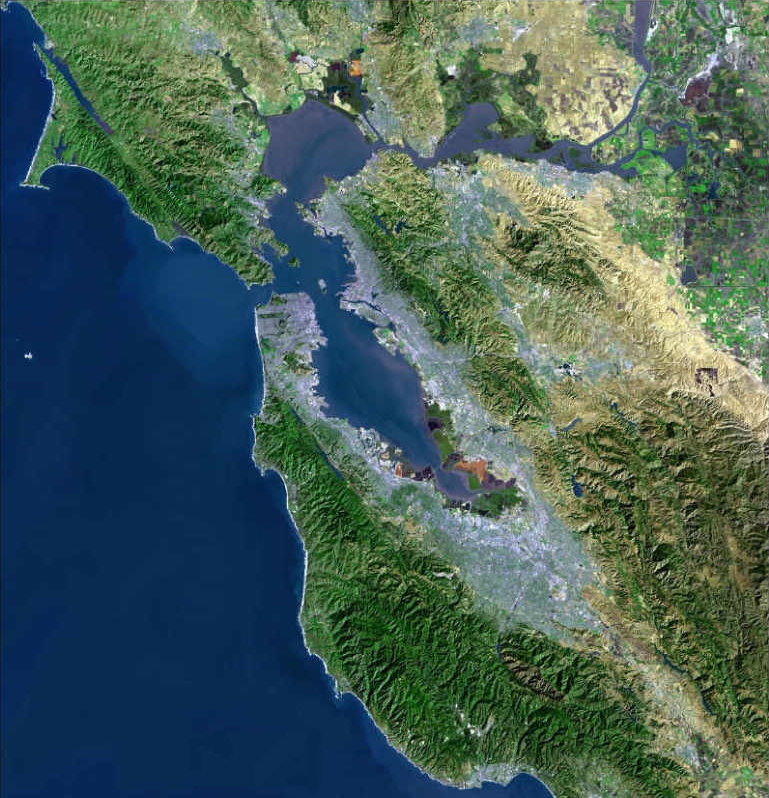
El Cerrito is a city in Contra Costa County, California, in the San Francisco Bay Area of the United States. Its Spanish name means "the little hill," a reference to the modest hills and ridgelines that shape local neighborhoods. The city combines suburban residential areas with small commercial corridors and public parks, and serves as a bedroom community for nearby employment centers.
Image gallery
10 Images





History
Before American settlement, the area now called El Cerrito was inhabited by Indigenous peoples of the East Bay. During the Spanish and Mexican periods the land formed part of larger ranchos. The modern settlement expanded after 1906, when groups of refugees displaced by the 1906 San Francisco earthquake settled in the hills and established new homes and businesses. The community grew through the early 20th century and was formally incorporated on August 23, 1917.
El Cerrito's growth followed the pattern of many Bay Area suburbs: streetcar and later automobile access encouraged residential development, while transit links made commuting to larger cities practical. Local government manages parks, zoning, and municipal services, and public education is provided through the West Contra Costa school system.
Geography and transportation: The city's terrain mixes low hills and flat commercial areas. El Cerrito is notable for its two regional transit stations that connect residents to the wider Bay Area, convenient retail centers near the transit hubs, and a network of neighborhood streets favored by walkers and cyclists.
Culture and local life: Community life centers on small businesses, neighborhood events, and public amenities such as libraries and parks. The city supports local arts organizations and periodic civic celebrations that reflect its long history and diverse population.
- Location: Contra Costa County in the Bay Area
- Origins: settled by refugees after the 1906 earthquake
- Incorporation: August 23, 1917
- National context: United States, California
Today El Cerrito is often appreciated for its convenient transit connections, leafy residential streets, and small-city feel within the larger metropolitan region. Visitors and residents alike value the balance of urban access and local neighborhood character.
Questions and answers
Q: Where is El Cerrito located?
A: El Cerrito is located in Contra Costa County, California, United States, and it lies in the San Francisco Bay Area.
Q: How was El Cerrito founded?
A: El Cerrito was founded by refugees after the 1906 San Francisco earthquake.
Q: When was El Cerrito incorporated?
A: El Cerrito was incorporated on August 23, 1917.
Q: What county is El Cerrito a part of?
A: El Cerrito is a part of Contra Costa County.
Q: What is the significance of El Cerrito being in the San Francisco Bay Area?
A: Being in the San Francisco Bay Area means that El Cerrito is in close proximity to one of the most culturally rich and economically prosperous regions in the United States.
Q: How could the 1906 San Francisco earthquake have impacted the founding of El Cerrito?
A: The 1906 San Francisco earthquake was a catastrophic event that caused mass displacement, and it is possible that some of the people who founded El Cerrito were survivors of the earthquake who were forced to seek out new homes.
Q: Is El Cerrito a relatively young city?
A: Yes, compared to many other cities in the United States, El Cerrito is a relatively young city, having been founded in the early 20th century and incorporated in 1917.
Related articles
Author
AlegsaOnline.com El Cerrito, California Leandro Alegsa
URL: https://en.alegsaonline.com/art/30542
Sources
- calafco.org : "California Cities by Incorporation Date"
- patch.com : "Snow in El Cerrito?"
- weather.com : "Monthly Average/Record Temperatures"
- intellicast.com : "Historic Average"
- census.gov : "Annual Estimates of the Resident Population for Incorporated Places: April 1, 2010 to July 1, 2014"
- census.gov : "Census of Population and Housing"
- census.gov : "2010 Census Interactive Population Search: CA - El Cerrito city"
- factfinder2.census.gov : "American FactFinder"