
Ekushey Padak — Bangladesh's national civilian award honoring cultural and social contributions
Ekushey Padak is a prestigious civilian award in Bangladesh established in memory of the 1952 Language Movement. It recognizes lifetime achievement in arts, literature, education, science and public life.
Overview
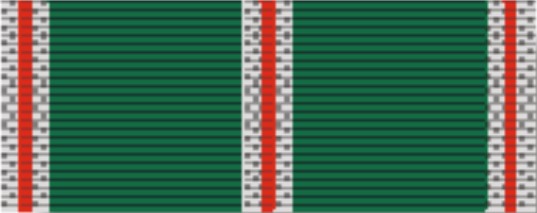
The Ekushey Padak (একুশে পদক) is one of Bangladesh's most prestigious civilian honours. Instituted to commemorate the martyrs of the 1952 Language Movement, it is awarded annually to individuals and, occasionally, organizations for notable contributions to national life. The prize highlights achievement across cultural, intellectual and social fields and is widely regarded as a major state recognition in Bangladesh.
Image gallery
10 Images







History and significance
The decoration was established to preserve the memory of those who protested for the Bengali language and to encourage public service in related spheres. Recipients are typically announced in February and the award is formally presented in connection with International Mother Language Day, linking the prize to linguistic and cultural identity. Over time the Ekushey Padak has become an annual focus for national media and civic commemoration.
Eligibility and selection
Awardees are chosen for lifetime achievement, outstanding performance or exemplary service in fields such as literature and language, music and performing arts, visual arts, education and research, journalism and media, and social work. Nominations may come from various quarters; a government-appointed committee under the supervision of the Ministry of Cultural Affairs reviews candidates and recommends the final list. Both living and posthumous awards are conferred, reflecting the committee's effort to acknowledge established figures as well as quieter contributions that have had public impact.
Ceremony, components and administration
The Ekushey Padak package includes a certificate of honour, a gold medal and a cash stipend. The medal was designed by the artist Nitun Kundu and is made of 18‑carat metal often described in relation to gold craftsmanship; its weight is commonly stated in traditional local measures. The monetary award has varied, originally set at a smaller amount (reported initially as 25,000) and later raised to the present figure of 100,000 Taka. The Ministry of Cultural Affairs administers the selection process and the presentation ceremony, working with cultural bodies and archives to preserve records of recipients.
Impact and public reception
The award links remembrance of the 1952 language protesters with contemporary civic recognition, reinforcing the cultural value placed on language, arts and public service. Recipients often receive renewed public attention and opportunities to share their work more widely; institutions and researchers cite Ekushey Padak laureates in cultural histories and exhibitions. Media coverage of the awards day helps bring attention to the fields represented by the honourees.
Further reading and references
For official details on criteria, recent recipients and the history of the prize, consult government and cultural resources maintained by state and academic bodies. Related topics include the Bengali name and language movement, state civilian honours and arts awards in South Asia.
Bengali name • civilian award • awards • Bangladesh • Taka • 18 carat • gold
Questions and answers
Q: What is Ekushey Padak?
A: Ekushey Padak is one of the highest civilian awards in Bangladesh.
Q: What is the significance of Ekushey Padak?
A: Ekushey Padak was introduced in memory of the martyrs of the Language Movement of 1952.
Q: What is the Language Movement of 1952?
A: The Language Movement of 1952 was a protest by Bengali-speaking people against the imposition of Urdu as the official language of East Pakistan (now Bangladesh).
Q: What does Ekushey Padak consist of?
A: Ekushey Padak consists of 100,000 Taka, an 18 carat gold medal weighing 3 tolas, and a certificate of honour.
Q: Who designed the medal for Ekushey Padak?
A: The medal for Ekushey Padak was designed by the artist Nitun Kundu.
Q: Who manages Ekushey Padak?
A: The Ministry of Cultural Affairs manages Ekushey Padak.
Q: Has the amount of cash reward for Ekushey Padak always been 100,000 Taka?
A: No, the amount of cash reward for Ekushey Padak was originally 25 thousand taka, but it was increased to 100 thousand taka.
Related articles
Author
AlegsaOnline.com Ekushey Padak — Bangladesh's national civilian award honoring cultural and social contributions Leandro Alegsa
URL: https://en.alegsaonline.com/art/30532
Sources
- thedailystar.net : Obituary of Nitun Kundu
- commons.wikimedia.org : Ekushey Padak