
Eio Sakata — Japanese Go master (1920–2010)
Eio Sakata was a leading Japanese professional Go player, a 9-dan and holder of honorary titles. He shaped postwar Go in Japan through championship play, teaching, and public broadcasts.
Eio Sakata (坂田 栄男, 15 February 1920 – 22 October 2010) was a prominent Japanese professional player of Go. A 9-dan at the Nihon Ki-in, Sakata rose to the top ranks of Japanese Go in the mid-20th century and was awarded honorary titles including the Honinbo and the honorary NHK Cup.
Image gallery
2 Images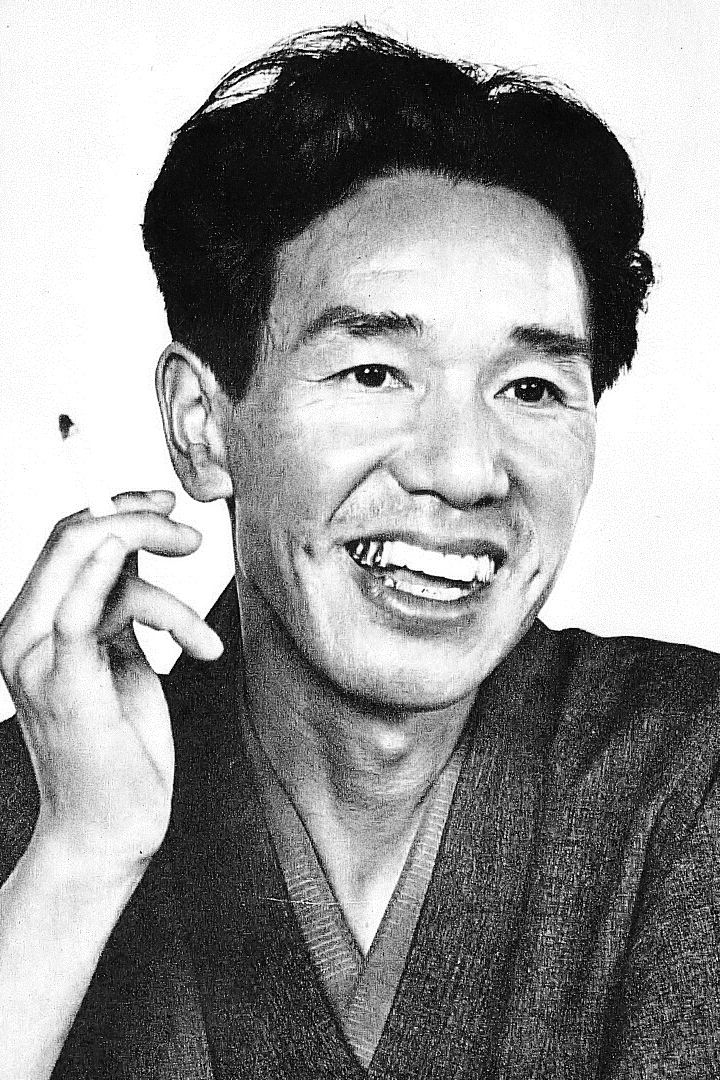

Career and style
Sakata combined fierce fighting spirit with deep reading and local tactical skill. He was known for tenacious middle-game fighting, precise endgame technique and a practical approach that emphasized results. Over decades he competed at the highest level against the other leading professionals of his era, helping to define competitive standards in postwar Japan.
Achievements and honors
During his active career Sakata captured many major titles and repeatedly challenged the strongest opponents of his time. His honorary Honinbo title recognizes long-term dominance in the Honinbo lineage; the honorary NHK Cup denotes sustained excellence in fast-paced televised play. These distinctions reflect both tournament success and enduring influence.
Legacy and influence
- Teacher and mentor: Sakata influenced subsequent generations through instruction, records of his games and public lectures.
- Public presence: He helped popularize Go through high-profile matches and broadcast events, making the game more visible to a broad audience.
- Theoretical contributions: His practical fighting techniques and middle-game strategies became reference points for study and professional training.
Notable for his longevity at the top level, Sakata remained a respected figure in the Go world after retiring from full-time competition. His games continue to be studied by professionals and amateurs alike for their clarity of purpose and tactical richness.
Sakata's life bridged prewar and modern eras of Go in Japan; he is remembered as one of the defining Japanese players of the 20th century who both won major titles and helped broaden the public appreciation of the game.
Questions and answers
Q: Who is Eio Sakata?
A: Eio Sakata is a 9-dan Japanese professional Go player who played at Nihon Ki-in.
Q: When was Eio Sakata born and when did he die?
A: Eio Sakata was born on February 15, 1920, and he died on October 22, 2010.
Q: What is Eio Sakata recognized for?
A: Eio Sakata has the honorary Honinbo (本因坊) title and the honorary NHK Cup title.
Q: What is the Honinbo title?
A: Honinbo is a professional Go player title in Japan.
Q: What is the NHK Cup title?
A: The NHK Cup is the largest Go tournament in Japan and is sponsored by NHK, Japan's national public broadcaster.
Q: What is a 9-dan Go player?
A: Dan is a system that measures a Go player's strength. A 9-dan player is the highest level achievable.
Q: Where did Eio Sakata play Go?
A: Eio Sakata played Go at Nihon Ki-in.
Related articles
Author
AlegsaOnline.com Eio Sakata — Japanese Go master (1920–2010) Leandro Alegsa
URL: https://en.alegsaonline.com/art/30494