
Egyptian Army
The Egyptian Army is the land warfare branch of Egypt's military, founded in the early 19th century; it has played a central role in national defense, regional wars, internal politics, and state-building.
Overview
The Egyptian Army is the principal land component of the Egyptian Armed Forces. It traces its modern formation to the reforms of Muhammad Ali Pasha in the early 1800s, who reorganized and modernized military institutions and is widely regarded as a founder of modern Egypt. Over two centuries the army evolved from a personal force of the ruler into a national institution charged with defending Egypt's borders and projecting state power.
Image gallery
10 Images

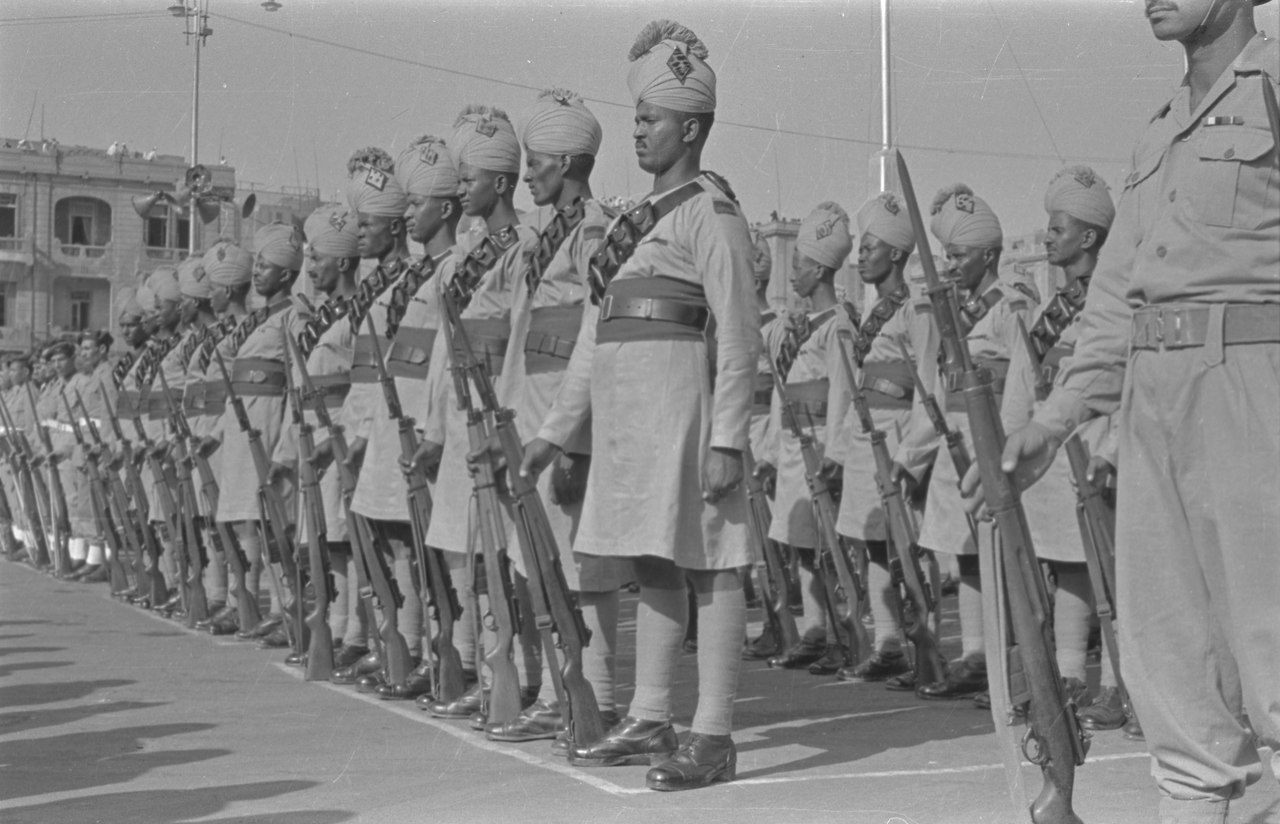
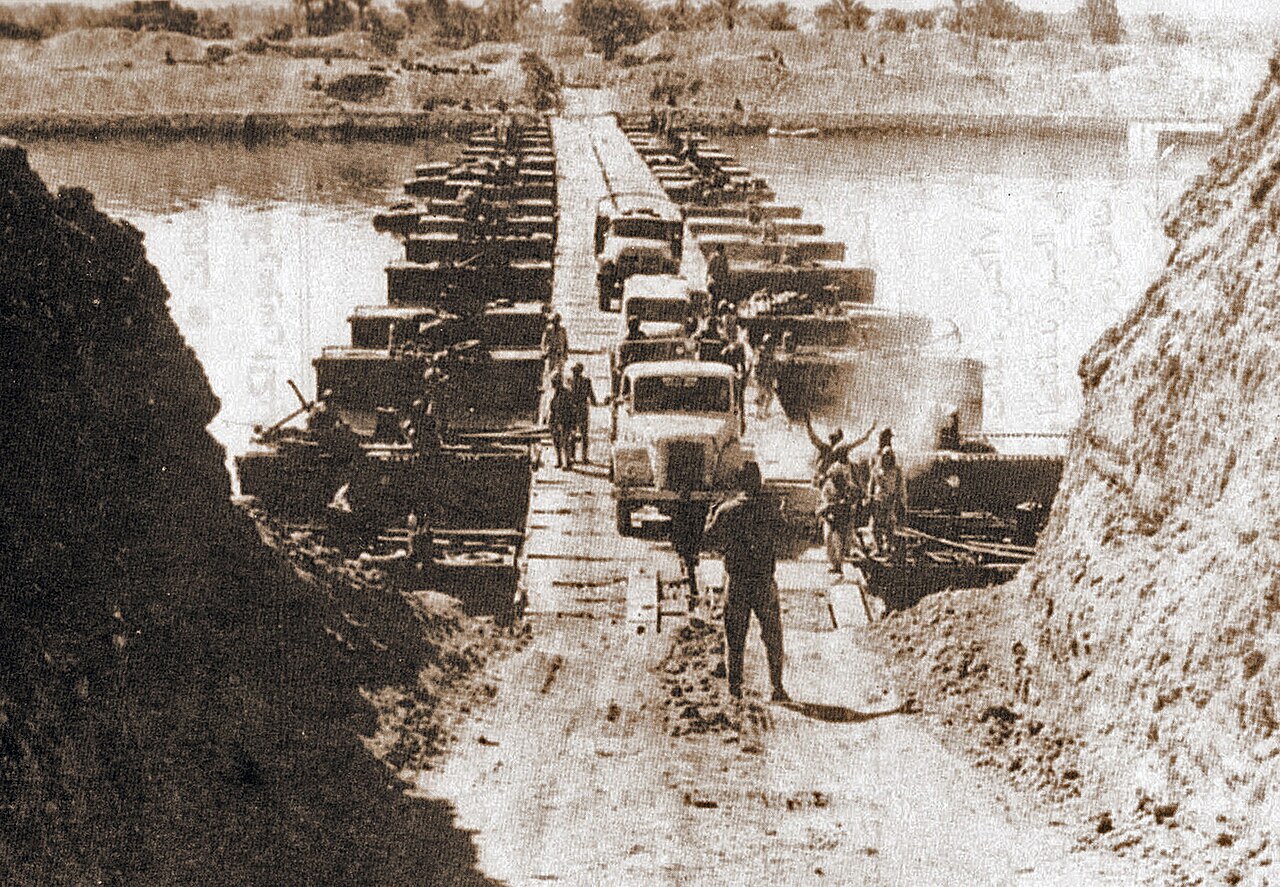


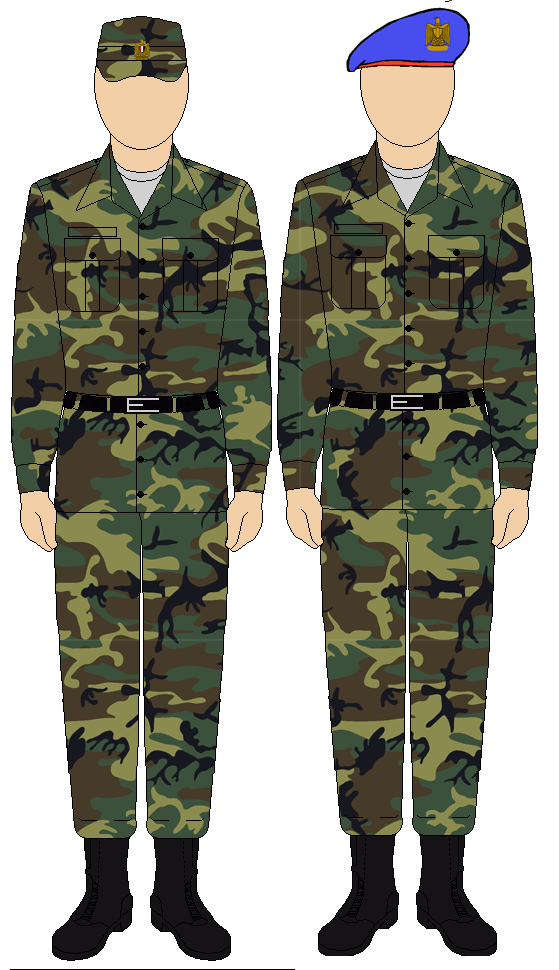
Characteristics and organization
As a conventional land force, the Egyptian Army is organized around core branches including infantry, armoured (tank) units, artillery, air defence, engineers, logistics and special operations. It maintains both conscripted and professional personnel; estimates published in the 2010s placed total manpower at several hundred thousand, with a substantial portion serving under Egypt's mandatory service system. The army operates large mechanized formations, and its doctrine emphasizes defence of the Nile valley and control of strategic points such as the Suez Canal.
Major conflicts and deployments
The 20th century saw the Egyptian Army engaged in multiple interstate wars and regional interventions. It fought in the 1948 Arab–Israeli conflict and later in a series of confrontations with the State of Israel (1956, 1967, the War of Attrition 1967–1970, and the 1973 October War). During the 1956 Suez Crisis the army confronted forces from Britain and France alongside Israeli operations. Egypt also deployed troops outside its borders, notably in the North Yemen civil war in the 1960s (North Yemen) and took part in the 1991 coalition in the Gulf during Operation Desert Storm, contributing forces to the effort to liberate Kuwait.
History and development
Reform and western-style training under Muhammad Ali set the pattern for a professionalized army that continued to expand through the 19th and 20th centuries. During the Cold War, Egypt acquired diverse weaponry and expertise from multiple partners and developed a large standing force. After peace treaties and changing regional alignments, the army has focused on modernization, counterinsurgency, border security and maintaining readiness for high-intensity combat.
Roles beyond combat
In addition to combat duties, the Egyptian Army has played a central role in domestic affairs and reconstruction: it has been involved in national infrastructure projects, disaster response, and formulating internal security policies. The institution has also been a key political actor during moments of national crisis, notably in the early 2010s. Internationally, Egypt contributes personnel to peacekeeping operations and engages in military-to-military cooperation and exercises with partners.
Notable facts and current status
- It is the largest branch of Egypt's military establishment and a defining element of state authority (see armed forces).
- The army's modern roots date to reforms by Muhammad Ali Pasha, a pivotal figure in the country's 19th-century transformation.
- Major 20th-century engagements include wars with Israel and the 1956 conflict involving Britain and France.
- External interventions have included campaigns in North Yemen and participation in Operation Desert Storm to liberate Kuwait.
Today the Egyptian Army remains a large and multifaceted institution balancing traditional territorial defence with internal security responsibilities and international engagements. Its size, equipment mix and political role make it a central actor in Egypt's national life and in regional security dynamics.
Questions and answers
Q: What is the Egyptian Army?
A: The Egyptian Army is the largest service branch in the Egyptian Armed Forces.
Q: Who started the modern army in Egypt?
A: Muhammad Ali Pasha (ruled 1805–1849) started the modern army in Egypt.
Q: What were the most significant engagements of the Egyptian Army in the 20th century?
A: The most significant engagements of the Egyptian Army in the 20th century were in Egypt's five wars with the State of Israel and the Suez Crisis of 1956.
Q: Which countries did the Egyptian Army fight against in the Suez Crisis of 1956?
A: The Egyptian Army fought against the forces of Britain and France in the Suez Crisis of 1956.
Q: Other than the Israel conflicts, which other wars has the Egyptian Army engaged in?
A: The Egyptian Army engaged in the North Yemen civil war and the brief Libyan-Egyptian War in July 1977.
Q: What was the Egyptian Army's last major engagement?
A: The Egyptian Army's last major engagement was Operation Desert Storm, the liberation of Kuwait from Iraqi occupation in 1991.
Q: How many soldiers were in the army in 2014?
A: In 2014, the army had about 310,000 soldiers, approximately 90,000–120,000 of them were professionals, while the rest were conscripts.
Related articles
Author
AlegsaOnline.com Egyptian Army Leandro Alegsa
URL: https://en.alegsaonline.com/art/30408
Sources
- homepages.force9.net : Military Ally or Liability, The Egyptian Army 1936-42