
Egbert of Wessex: King who reshaped early English politics
Egbert (c.769–839), king of Wessex from 802 to 839, extended West Saxon power across southern England, defeated Mercian dominance and laid foundations for later unification under his descendants.
Overview
Egbert (also spelled Ecgberht) was king of Wessex from 802 until his death in 839. Born around 769, he returned from exile to claim the throne after the death of Beorhtric. During his reign he expanded West Saxon influence, won decisive battles against rivals, and established a degree of overlordship over other Anglo-Saxon kingdoms. He was the father of Æthelwulf, his successor.
Image gallery
9 Images

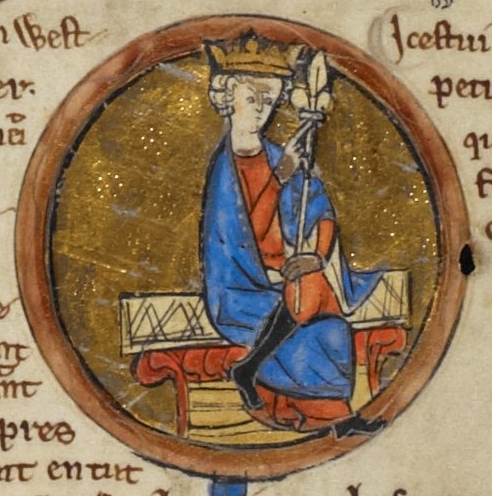



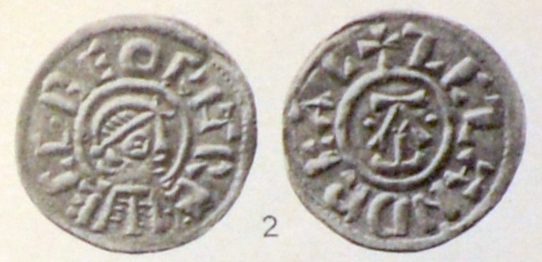

Early life and exile
Egbert’s early career was shaped by the dominance of Mercia under King Offa of Mercia and by internal Wessex politics. Contemporary annals report that he was driven into exile in the late 8th century during the reign of Beorhtric. Some later traditions suggest he spent part of his exile on the Continent, possibly at a Frankish court, but details are uncertain.
Rise to power and military achievements
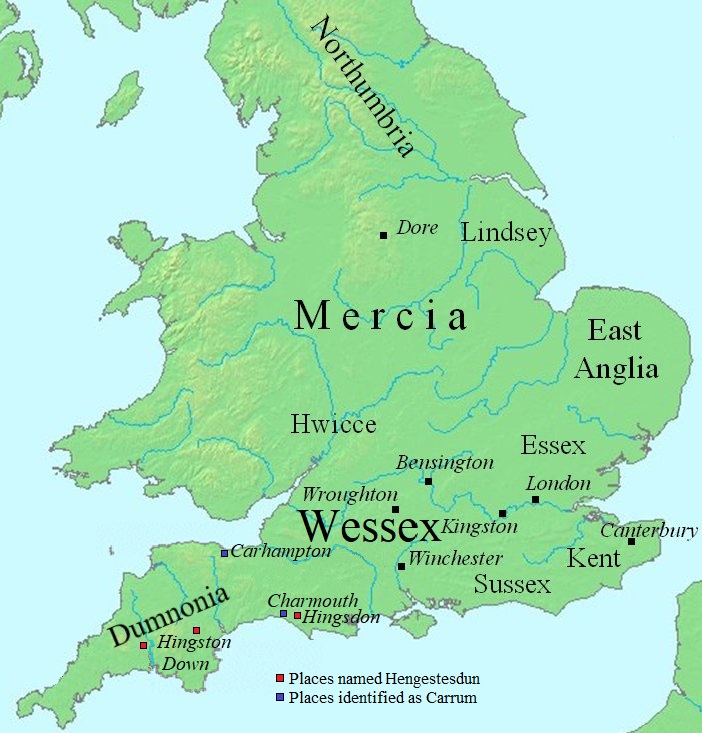
On Beorhtric’s death in 802 Egbert returned and secured the West Saxon kingship. His most notable military victory came at the battle of Ellendun in 825, where he defeated Mercian forces and overturned Mercian supremacy in the south. In the years that followed he extended West Saxon authority into Kent, Sussex, Essex, Surrey and exerted influence over parts of East Anglia and beyond. He also campaigned against the Britons in the west, bringing Cornwall and other frontier areas under West Saxon control.
Rule and governance
Rather than forming a centralized state in the modern sense, Egbert’s rule combined direct control of Wessex with the installation or recognition of client kings in newly acquired regions. He relied on noble networks, ecclesiastical support and military campaigning to maintain dominance. His son Æthelwulf was placed in positions of responsibility that prepared him to inherit the kingship.
Legacy and historical assessment
Later sources portray Egbert as one of the early figures to achieve wide hegemony among Anglo-Saxon rulers and some chronicles rank him among those given the title bretwalda. Modern historians see his achievements as laying important political groundwork for the later unification of England under the West Saxon dynasty, though Mercian and other regional powers remained important after his death in 839.
Notable facts
- Reign: c.802–839; son and successor: Æthelwulf.
- Key victory: battle of Ellendun (825), which shifted power in southern England.
- Exile: removed from England in the 780s; continental refuge is probable though not conclusively documented.
Questions and answers
Q: Who was Egbert of Wessex?
A: Egbert of Wessex was a king who ruled Wessex from 802 until 839.
Q: When was Egbert born?
A: The exact year of Egbert's birth is unknown, but it is estimated to be around 769.
Q: Who forced Egbert into exile?
A: Egbert was forced into exile by Offa of Mercia and Beorhtric of Wessex.
Q: Why was Egbert forced into exile?
A: The reason behind Egbert's exile is not mentioned.
Q: When did Egbert return and take the throne?
A: Egbert returned and took the throne in 802 after Beorhtric of Wessex died.
Q: Who was Athelwulf of Wessex?
A: Athelwulf of Wessex was the son of Egbert of Wessex.
Q: When did Egbert die?
A: Egbert died in 839.
Related articles
Author
AlegsaOnline.com Egbert of Wessex: King who reshaped early English politics Leandro Alegsa
URL: https://en.alegsaonline.com/art/30355