
Edna St. Vincent Millay — American Poet, Playwright, and Cultural Figure
Edna St. Vincent Millay (1892–1950) was an influential American poet and playwright known for lyric sonnets, outspoken feminism, and the 1923 Pulitzer Prize for Poetry.
Overview
Edna St. Vincent Millay (1892–1950) was an American poet and playwright whose work made her one of the most famous literary figures of the early 20th century. She came to public attention after the poem Renascence attracted notice in the 1910s, and she won the Pulitzer Prize for Poetry in 1923. Millay also wrote under the name Nancy Boyd during portions of her career and was widely regarded as a public voice for women's independence and artistic freedom.
Image gallery
10 Images


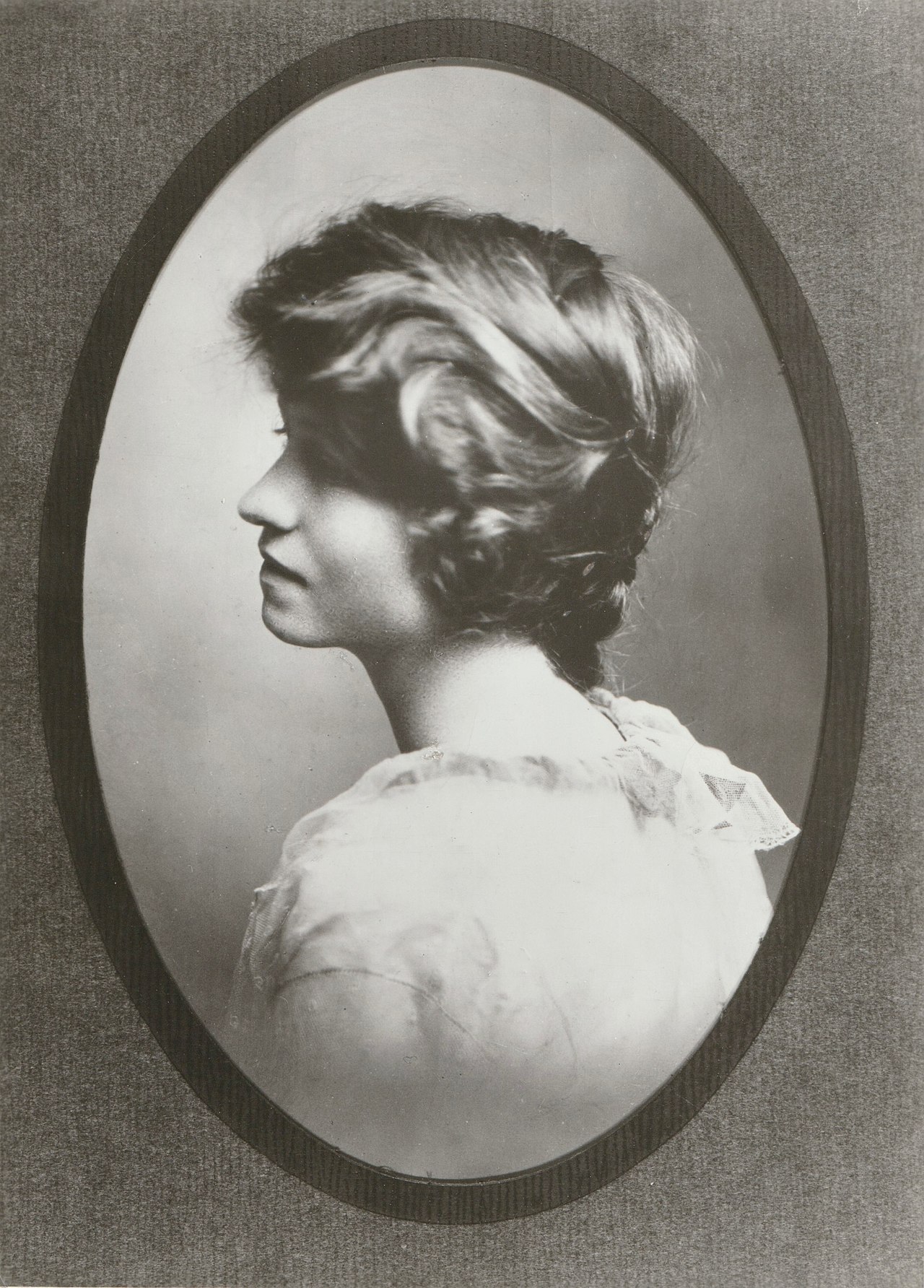


Work and style
Millay's poetry is often recognized for its lyric intensity, formal skill, and emotional directness. She mastered traditional forms, especially the sonnet, while addressing modern themes such as romantic desire, social constraint, and personal autonomy. Her voice could range from intimate confession to ironic detachment, and she favored clear, musical language. Critics have praised both her technical virtuosity and her ability to make older poetic forms feel contemporary.
Life and career
Born into a working-class family in Maine, Millay showed early literary promise and later attended Vassar College. Her early success with public competitions and magazine publication established her reputation in literary circles. In addition to poetry she wrote short plays and occasional novels, and her energetic social life and outspoken opinions helped make her a celebrity. For more on her biographical background see biographical resources.
Notable works and achievements
Millay published several collections that remain widely read. A few works commonly associated with her career include:
- Renascence — the early poem that brought her public notice.
- The Ballad of the Harp-Weaver and related poems — part of the work that contributed to her Pulitzer recognition.
- Collected sonnets and lyric sequences that showcased her command of form and voice.
Her 1923 Pulitzer Prize for Poetry marked a high point in her career; readers interested in the prize and its context may consult Pulitzer-related sources. Biographical studies and modern editions of her poetry continue to discuss the breadth of her output and public persona; see selected bibliographies for editions and criticism.
Legacy and significance
Millay remains a figure of study both for her verse and for the cultural role she played as a woman writer in the early 20th century. Her frank treatment of desire and independence helped shape later conversations about gender and artistic freedom. For perspectives on her influence among feminist writers and twentieth-century poetry, consult commentary on her legacy. Museums, literary archives, and modern anthologies preserve her work and debate her place in the canon.
Overall, Millay's combination of formal skill, public visibility, and outspoken attitudes secured her a lasting position in American letters: a poet celebrated both in her own time and revisited by later readers and scholars.
Questions and answers
Q: Who was Edna St. Vincent Millay?
A: Edna St. Vincent Millay was an American playwright and poet.
Q: When was Edna St. Vincent Millay born and when did she pass away?
A: She was born on February 22, 1892 and passed away on October 19, 1950.
Q: What was Edna St. Vincent Millay known for?
A: Edna St. Vincent Millay was known for her talent in poetry and her feminist views.
Q: Did Edna St. Vincent Millay receive any award for her work?
A: Yes, Edna St. Vincent Millay received the Pulitzer Prize for Poetry in 1923.
Q: Was Edna St. Vincent Millay the first female to win the Pulitzer Prize for Poetry?
A: No, Edna St. Vincent Millay was the third female to win the award.
Q: Did Edna St. Vincent Millay use a different name during her career?
A: Yes, Edna St. Vincent Millay used the name Nancy Boyd during her career.
Q: When did Edna St. Vincent Millay's fame begin?
A: Edna St. Vincent Millay's fame began around 1912 when she entered a poem, “Renascence,” in a contest in The Lyric Year.
Related articles
Author
AlegsaOnline.com Edna St. Vincent Millay — American Poet, Playwright, and Cultural Figure Leandro Alegsa
URL: https://en.alegsaonline.com/art/30196
Sources
- vcencyclopedia.vassar.edu : "Edna St. Vincent Millay - Vassar College Encyclopedia - Vassar College"
- poetryfoundation.org : "Edna St. Vincent Millay"
- archive.nytimes.com : "Edna St. V. Millay Found Dead At 58"