
ECW (WWE): the revived Extreme Championship Wrestling brand
Overview of WWE's ECW brand (2006–2010): origins, format, key performers, differences from the original promotion, and its influence on modern professional wrestling.
ECW in WWE was a branded division and weekly television show launched by World Wrestling Entertainment on June 13, 2006. It drew its name, aesthetic and some talent from the independent Extreme Championship Wrestling promotion that operated from 1992 to 2001. WWE presented the property as a distinct third brand alongside its established rosters; the revival aimed to translate ECW's reputation for edgier, alternative wrestling into a mainstream televised form while using WWE's production and distribution.
Image gallery
3 Images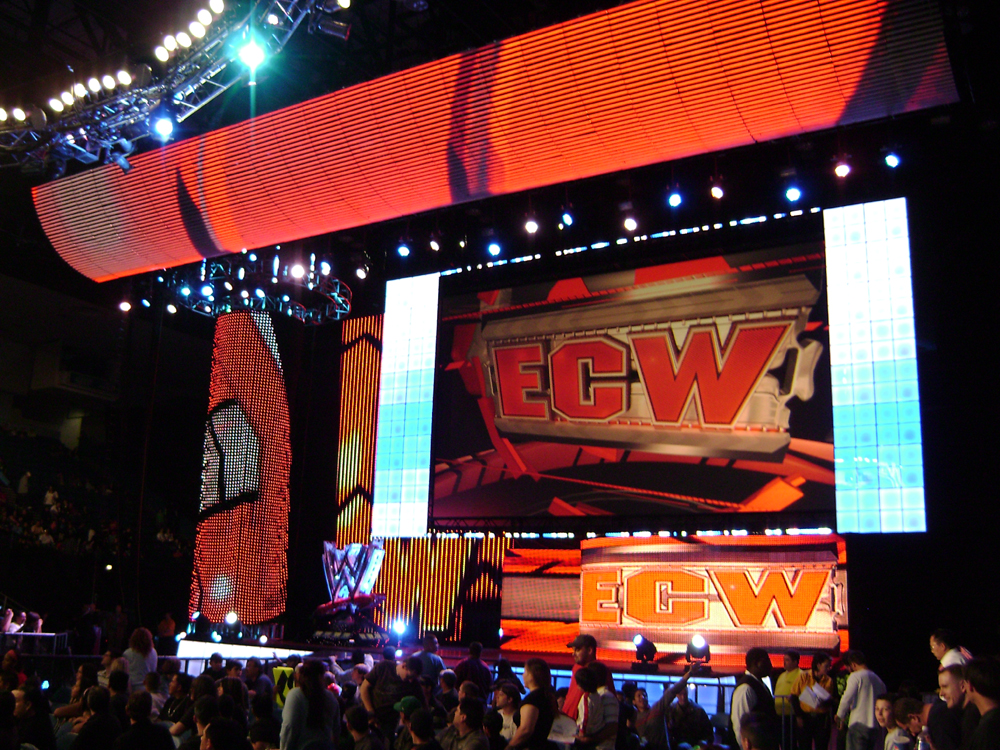


Origins and development
The WWE version grew out of fan nostalgia and WWE's acquisition of the ECW assets. Early programming blended original ECW alumni with newly signed performers and featured the reactivated ECW Championship as the brand's principal title. Production values and television clearance meant the show was less extreme than its independent predecessor, but it retained visual cues and match types associated with the ECW name. WWE promoted the brand as its third pillar during the company's multi-brand era, with its own weekly broadcast and roster management.
Format and characteristics
As a WWE brand, ECW presented a weekly one-hour program and periodic pay-per-view level matches. The roster combined legacy names who helped establish the identity with younger talent given extended television time. Matches on the show ranged from standard singles bouts to more physical or stipulation matches that echoed the independent ECW’s hardcore reputation, though broadcast standards moderated language, weapons use and overall presentation.
Notable performers and storylines
- Alumni from the original promotion who appeared or influenced the brand’s direction.
- Emerging WWE talents who had prominent roles on ECW and used the platform to develop their characters.
- On-air figures and managers who linked the revival to the original ECW legacy.
The brand featured a mix of veteran names and newer stars; certain performers used ECW as a springboard for greater exposure on the larger WWE roster. Storylines occasionally highlighted a clash between ‘‘original’’ ECW veterans and newer competitors, underscoring the brand’s dual purpose as nostalgia and talent development.
Differences from the original promotion and legacy
Key distinctions between the independent Extreme Championship Wrestling (1992–2001) and WWE’s ECW included ownership, creative control and broadcast context. The original was an independent company known for boundary-pushing content and an underground fanbase; WWE’s version was a corporate brand operating within mainstream television standards. The revival ran for several years before WWE folded the brand into its broader programming lineup and later introduced successor concepts focused on developing new talent.
WWE’s ECW left a mixed legacy: it reintroduced the ECW name to a national audience, provided a showcase for wrestlers outside the two main shows, and influenced how alternative wrestling styles could be packaged for television. For additional background on the brand and its place within WWE’s structure, see the brand overview and the other primary shows: brand details, RAW and SmackDown. For more on the independent roots, consult materials about the original promotion at the founding ECW.
Further reading: industry histories and retrospective programs examine how the ECW name was adapted by WWE and how that adaptation influenced contemporary wrestling presentation and talent development.
Questions and answers
Q: What did ECW stand for?
A: ECW originally stood for Extreme Championship Wrestling.
Q: When was the ECW brand established?
A: The ECW brand was established on June 13, 2006.
Q: What company owned the ECW brand?
A: The ECW brand was owned by World Wrestling Entertainment (WWE).
Q: How long did the independent Extreme Championship Wrestling promotion last?
A: The independent Extreme Championship Wrestling promotion lasted from 1992 to 2001.
Q: What type of product was the ECW brand?
A: The ECW brand was a professional wrestling product.
Q: What were WWE's other two brands besides the ECW brand?
A: WWE's other two brands besides the ECW brand were RAW and SmackDown.
Related articles
Author
AlegsaOnline.com ECW (WWE): the revived Extreme Championship Wrestling brand Leandro Alegsa
URL: https://en.alegsaonline.com/art/30007
Sources
- tvtechnology.com : "WWE Slams Into HD" · web.archive.org
- pwtorch.com : "WWE Officially Announces NXT's Debut Date Replacing ECW, Only Two Episodes Remaining"
- wwe.com : "WWE brings ECW to Sci Fi Channel"
- news.yahoo.com : "Sci Fi grapples with summer wrestling series"
- corporate.wwe.com : "WWE Pay-Per-Views to follow WrestleMania format"
- wwe.com : "Heyman out"
- thefutoncritic.com : "Sci Fi Channel pins the competition with ECW's triumphant return to television"
- wwe.com : "Sci Fi Channel Extends ECW"
- corporate.wwe.com : "SCI FI Channel Reups WWE®'S ECW Through 2008"
- onlineonslaught.com : "The New ECW? "End that Chanting, Now!""
- pwtorch.com : "ECW on SciFi Reax #1"
- wwe.com : "Partnership Forming?"
- wwe.com : "Setting the night on fire"
- wwe.com : "Hardcore Hangover"