
École Polytechnique massacre (Montreal massacre)
The 6 December 1989 mass shooting at École Polytechnique in Montreal, in which a gunman targeted women; 14 women were killed and others wounded. The attack spurred national debate, remembrance and policy change.
Overview
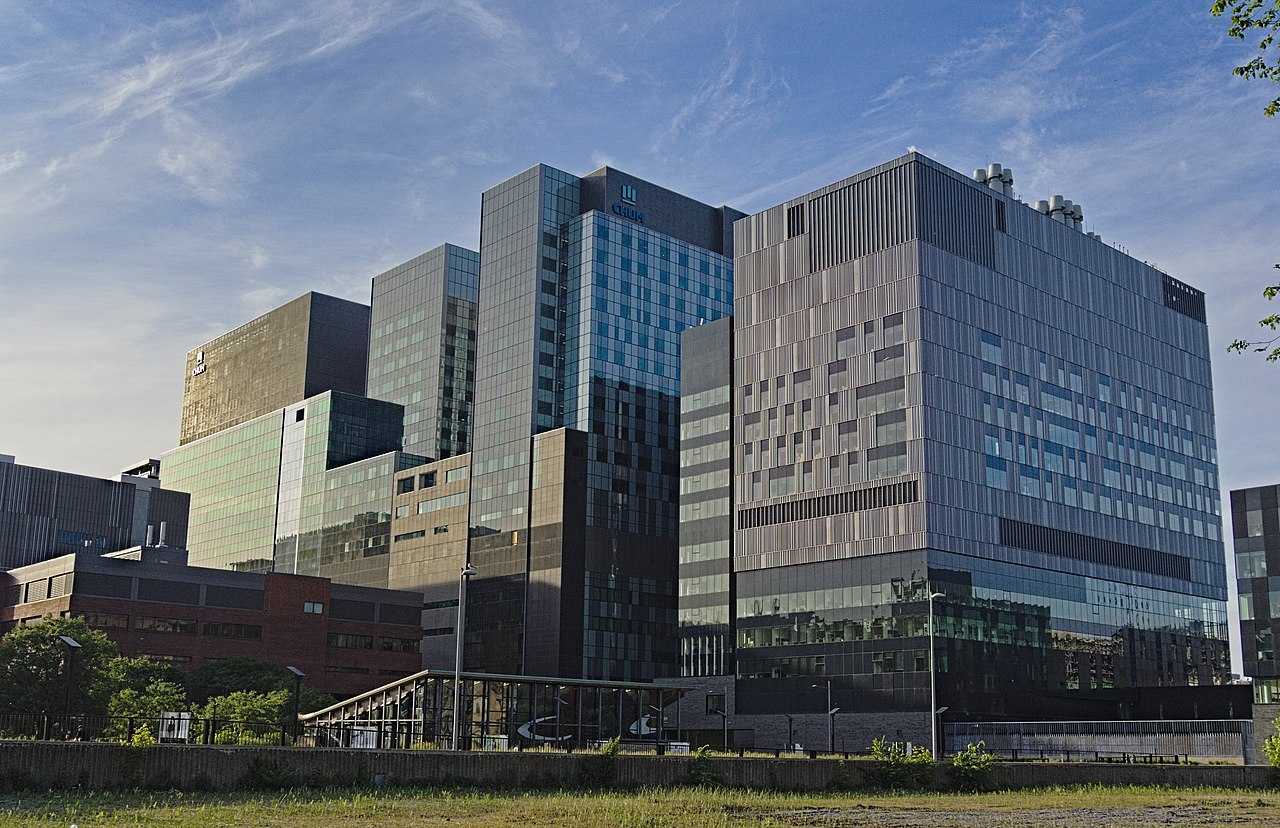
On 6 December 1989 a mass shooting took place at the École Polytechnique de Montréal, an engineering faculty of the Université de Montréal. The attacker entered the campus and deliberately targeted women, telling some survivors he was “fighting feminism.” The episode is commonly referred to in Canada as the École Polytechnique massacre or the Montreal massacre and remains a key reference point in national discussions about gender-based violence, gun control and public safety. For contemporary reports and archival material, see contemporary coverage and institutional records at school archives.
Image gallery
9 Images





The attack
The assailant moved through a classroom and hallways, shooting multiple people and separating men from women before opening fire on the women in the room. He wounded many and killed fourteen women; he then died by suicide at the scene. The total number of people shot and the sequence of events were documented by police investigators and reported widely; further detail can be found in official summaries and retrospective analyses (investigative summary). Eyewitness testimony and survivor accounts have been collected in oral histories and inquiries (survivor accounts).
Perpetrator and motive
The gunman was a single individual who entered the engineering building armed and intent on attacking women. He explicitly identified his action as motivated by hatred of feminists and addressed his victims with gendered insults before opening fire. Commentators and researchers have treated the event as an act of misogynist violence, and the motive has been central to public debate about classification, prevention and education. For background on the perpetrator and psychological profiles, see profiles and analysis.
Immediate response
Emergency services, campus staff and students responded to the scene, providing first aid, escorting survivors and securing the area. The shooting prompted law-enforcement investigations and media coverage across Canada and internationally. Hospitals received the injured and counselling services were mobilized for survivors and families. Contemporary police and medical reports are archived at official records.
Aftermath, commemoration and policy impact
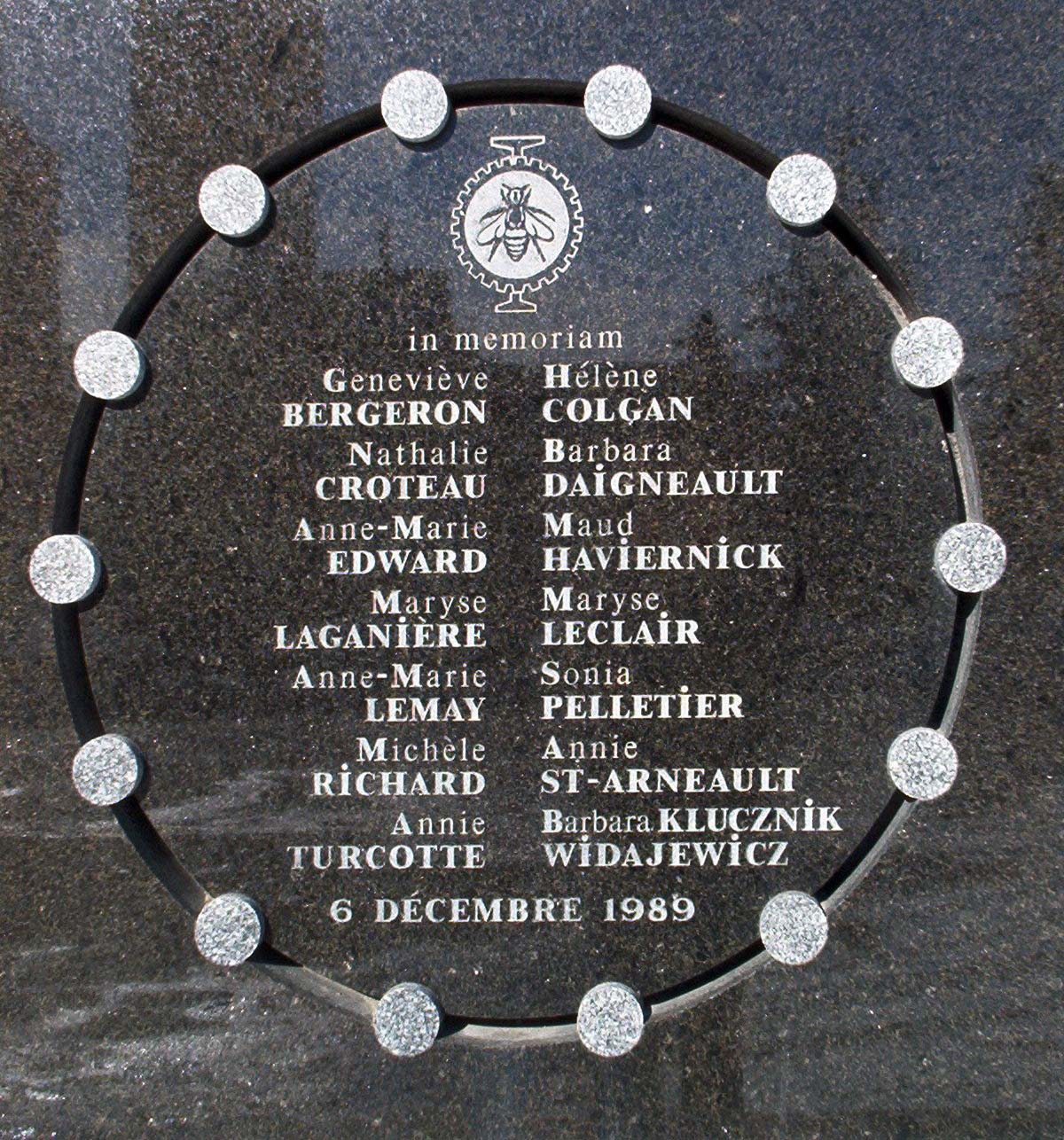
The massacre had a profound effect on Canadian society. It prompted public reflection on violence against women, led to the establishment of memorials and yearly commemorations, and influenced debates over firearms legislation and campus safety. The federal government and advocacy groups responded with policy proposals, public education campaigns and funding for support services. Key outcomes and ongoing initiatives are documented by advocacy organizations and government agencies (policy reviews, commemorative programs).
Notable facts and distinctions
- The attack is widely remembered for its explicit targeting of women and is frequently cited in discussions of gender-based violence.
- It led to an enduring annual day of remembrance and action on violence against women in Canada held each 6 December.
- Scholars and policymakers continue to study the incident for lessons about prevention, emergency response and the social roots of misogynist violence.
Further reading and source collections, including court documents, media archives and memorial information, can be accessed through the institutional and public links cited above (media, investigations, remembrance).
Questions and answers
Q: What is the École Polytechnique Massacre?
A: It is a school shooting that took place on December 6, 1989, at the École Polytechnique de Montréal, Canada.
Q: How many people were shot and killed during the massacre?
A: 28 people were shot, and 15 out of them were killed.
Q: Who was the shooter responsible for the École Polytechnique Massacre?
A: Marc Lépine, a twenty-five-year-old man, was responsible for the shooting.
Q: What was the motive behind the École Polytechnique Massacre?
A: The shooter, Marc Lépine, was "fighting feminism," and he targeted women in the attack.
Q: Where is the École Polytechnique de Montréal located?
A: It is located in Montreal, Quebec, Canada and is affiliated with the Université de Montréal.
Q: Did the shooter survive the attack?
A: No, the shooter killed himself (suicide) after killing 15 people.
Q: How did Marc Lépine describe the women he targeted during the massacre?
A: He referred to them as "a bunch of feminists."
Related articles
Author
AlegsaOnline.com École Polytechnique massacre (Montreal massacre) Leandro Alegsa
URL: https://en.alegsaonline.com/art/29935
Sources
- diarmani.com : "Report of Coroner's Investigation" · web.archive.org