
École Centrale Paris (École Centrale)
Former French grande école of engineering and science, founded 1829 and based in Châtenay-Malabry. Offered the Ingénieur Centralien degree, MSc/PhD, Mastères Spécialisés and MOOCs; merged into CentraleSupélec in 2015.
École Centrale Paris, often shortened to École Centrale or Centrale, was a leading French grande école focused on engineering and applied sciences. Founded in 1829 as the École Centrale des Arts et Manufactures, it developed a multidisciplinary curriculum intended to prepare engineers for leadership in industry, research and public service. Located on a campus in Châtenay-Malabry in the Paris suburbs, the school combined classroom teaching, laboratory research and industrial partnerships. In 2015 École Centrale Paris joined with Supélec to form CentraleSupélec; nevertheless its historical identity, pedagogical model and degrees remain important reference points for French engineering education.
Image gallery
5 Images

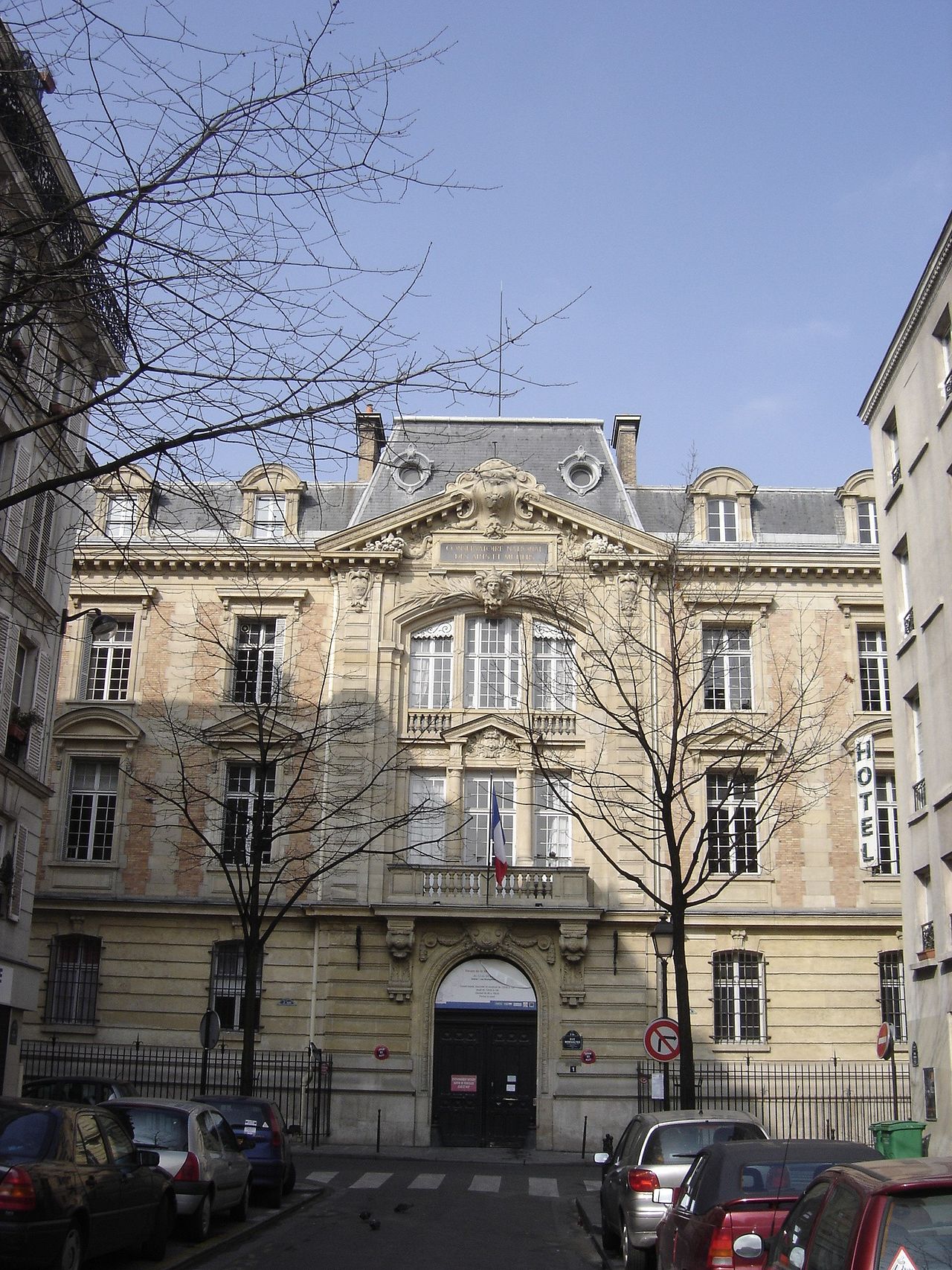


Academics and degrees
The institution awarded several internationally recognised qualifications. Core programmes included the Ingénieur Centralien (a highly selective engineer's diploma often equivalent to a master's level degree), Master of Science and PhD programmes, specialised postgraduate diplomas (Mastères Spécialisés) and a range of Massive Open Online Courses. Courses were delivered primarily in French and English to a diverse student body. The school is typically described as part of the French grande école system and attracted candidates via national competitive exams, selective international admissions and partnerships with universities abroad.
Curriculum, research and specialisations
The curriculum emphasised a broad scientific foundation combined with applied engineering skills and management training. Typical fields of teaching and research included mechanical and civil engineering, electrical engineering, information and communication technologies, materials science, energy and environmental engineering, and systems engineering. Research laboratories associated with the school collaborated with industry and public research organisations, supporting doctoral work and technology transfer. Students could pursue research-oriented tracks leading to doctoral degrees as well as professionally oriented master-level programmes.
Campus, student life and international community
The Châtenay-Malabry campus housed teaching facilities, laboratories and student residences within walking distance of public transport. Most of the approximately 2,000 students lived in dedicated housing close to research labs and metro connections, fostering a compact campus community. Centralien students came from more than 50 countries, and international exchange programmes and dual-degree arrangements were part of the school's global engagement. Extracurricular life included technical clubs, entrepreneurial initiatives and links with alumni networks that support careers in engineering and management.
Admissions, industry links and impact
Admission was highly competitive, reflecting the school's reputation and the selectivity typical of French grandes écoles. Successful graduates were commonly employed in industry, research organisations, start-ups and public institutions; many took roles in engineering management or founded technology ventures. The school's longstanding relationships with companies supported internships, collaborative research and continuing education. For an overview of its institutional role within French higher education see related resources.
History and notable facts
Established in the early 19th century to train engineers for the industrialising economy, École Centrale Paris evolved over nearly two centuries into a modern engineering school with international reach. Its pedagogical model—broad scientific education combined with project work and industrial ties—has been influential in France and beyond. In 2015 the school merged with Supélec to create CentraleSupélec, a structural change intended to strengthen research and educational offerings; historical descriptions and degree traditions of Centrale are still referenced in academic and professional contexts. Further information and archival material may be consulted through institutional channels and academic publications about the school.
Questions and answers
Q: What is École Centrale Paris?
A: École Centrale Paris (ECP) is a French grande école that focuses on engineering and science.
Q: What degrees can students earn from the courses offered by École Centrale Paris?
A: Students can earn the following French and European degrees from courses offered by École Centrale Paris: Ingénieur Centralien de Paris (Centralien Graduate engineer Masters level program), Master of Science & PhD doctorate studies, Mastères Spécialisés (MS), and Massive Online Open Courses.
Q: Where is École Centrale Paris located?
A: École Centrale Paris is located on a campus in Chatenay-Malabry.
Q: In what languages are the courses at École Centrale Paris mainly performed?
A: The courses at École Centrale Paris are mainly performed in French and English languages.
Q: Where do most of the students at École Centrale Paris live?
A: Most of the 2000 students at École Centrale Paris live in dedicated housing buildings near to the research labs and metro public transport.
Q: How many countries do students at École Centrale Paris come from?
A: Students at École Centrale Paris come from more than 50 countries.
Q: What is the significance of earning a degree from École Centrale Paris?
A: Earning a degree from École Centrale Paris is significant because it is a prestigious institution that focuses on engineering and science, and offers a variety of degrees that can lead to successful careers.
Related articles
Author
AlegsaOnline.com École Centrale Paris (École Centrale) Leandro Alegsa
URL: https://en.alegsaonline.com/art/29916
Sources
- usinenouvelle.com : Centrale Paris
- openclassrooms.com : Financer son entreprise
- centrale-supelec.scei-concours.org : Concours Centrale-Supelec
- time-association.org : TIME double degrees