
Earwax (cerumen): purpose, types, care, and when to seek help
Overview of earwax (cerumen): what it is, how it forms, its protective roles, types, safe cleaning practices, problems from impaction, and cultural or clinical notes.
Overview
Earwax, medically known as cerumen, is a naturally produced substance in the external auditory canal. It is typically yellow, brown or grayish and varies in texture from moist to flaky. The substance is formed by secretions from specialized glands in the ear canal combined with shed skin cells and hair debris. For an introductory source on basic facts about earwax see this reference.
Image gallery
4 Images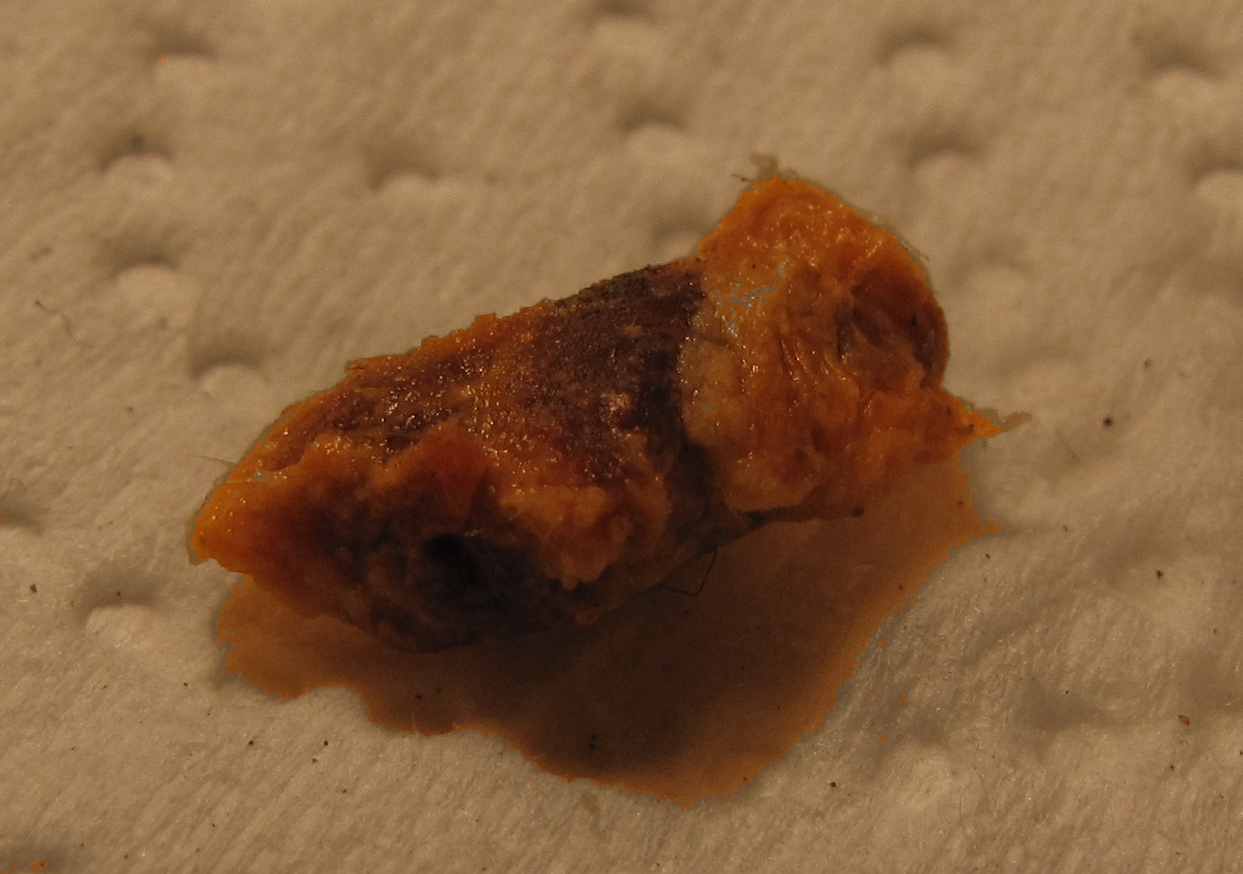


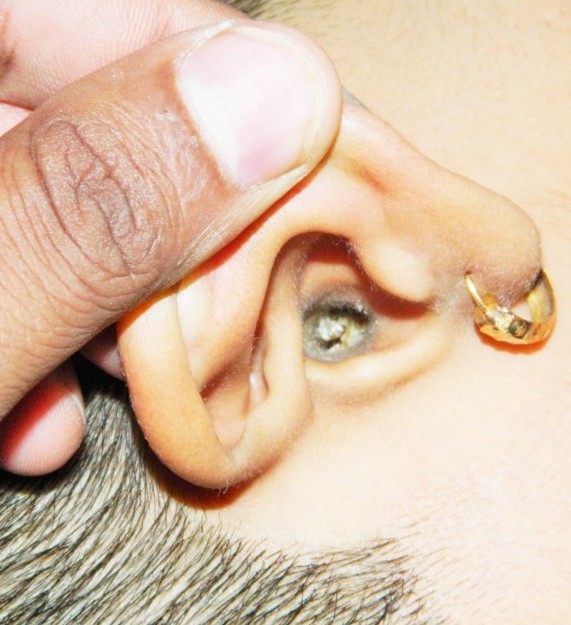
Composition and varieties
Cerumen contains lipids, proteins and cellular debris created by ceruminous and sebaceous glands lining the outer ear. Two common types are described: a wetter, darker form and a dryer, flakier form. Genetic differences influence which type an individual usually has; certain gene variants associated with ancestry are linked to the dry form. For more on biological variation see additional information.
Functions and benefits
Although often considered undesirable, earwax serves several protective functions. These include:
- Trapping dust, small particles and microbes to prevent them reaching deeper structures.
- Lubricating and protecting the skin of the ear canal to prevent dryness and irritation.
- Forming a mildly acidic environment that helps slow growth of some bacteria and fungi.
- Acting as a barrier against insects and water intrusion.
These functions help explain why the body normally produces cerumen and self-cleans; for more on protective roles see background material.
Self-cleaning and when problems occur
The ear canal has a natural clearing mechanism: jaw movement and the slow outward migration of skin push old cerumen toward the opening, where it usually flakes away. Problems arise when cerumen accumulates and becomes impacted. Symptoms of impaction can include a feeling of fullness, hearing reduction, tinnitus (ringing), itchiness, or pain. Inserting objects such as cotton swabs often pushes wax inward and increases risk of injury, including eardrum damage.
Care, safe removal and clinical treatment
Routine hygiene should limit itself to cleaning the visible outer ear with a washcloth. If cerumen causes symptoms or hearing loss, safe options include softening drops (olive oil, mineral oil or commercially prepared cerumenolytics) and professional removal by a clinician. Irrigation and manual extraction by an ear specialist are common treatments; they should be performed carefully and avoided in people with a perforated eardrum or certain ear conditions. When in doubt, consult an ear, nose and throat specialist or primary care provider; for practical guidance see medical guidance.
Cultural notes and misconceptions
Various cultural practices exist for ear cleaning—such as the use of small ear picks in some regions—but not all traditional methods are safe. Popular remedies like "ear candling" are not supported by evidence and can cause burns or wax blockage. Understanding the protective role of cerumen and following safe care advice helps avoid unnecessary harm while maintaining ear health.
Questions and answers
Q: What is earwax?
A: Earwax is a sticky yellow or grey substance like wax produced by the ears.
Q: What is the purpose of earwax?
A: Earwax sticks to dust that gets in the ears to keep them clean. It also protects the skin of the ear and protects the ear from insects, water, fungi, and bacteria.
Q: Can earwax damage the eardrum?
A: No, but attempting to remove earwax may damage the eardrum.
Q: How can the ear naturally clean earwax?
A: The movement of the jaws helps to clean the earwax naturally.
Q: Does earwax have a certain color and texture?
A: Yes, earwax is a sticky yellow or grey substance like wax.
Q: Is it necessary to remove earwax?
A: No, earwax naturally gets pushed out of the ear canal and removing it may damage the ear.
Q: How does earwax protect the ear from different threats?
A: Earwax protects the ear from insects, water, fungi, and bacteria.
Author
AlegsaOnline.com Earwax (cerumen): purpose, types, care, and when to seek help Leandro Alegsa
URL: https://en.alegsaonline.com/art/29595