
Earth's orbit: path, characteristics, seasons and long-term variation
Overview of Earth's path around the Sun, its shape and parameters, causes of seasons, long-term cycles that affect climate, and why the orbit matters for life and observation.
Earth travels around the Sun on a near‑circular path described by orbital mechanics. That path is an elliptical path in the mathematical sense, and is more precisely called an orbit. In everyday language the orbit is often shown exaggerated to emphasize eccentricity, but the actual elliptical path of the Earth is only slightly noncircular.

Image gallery
8 Images

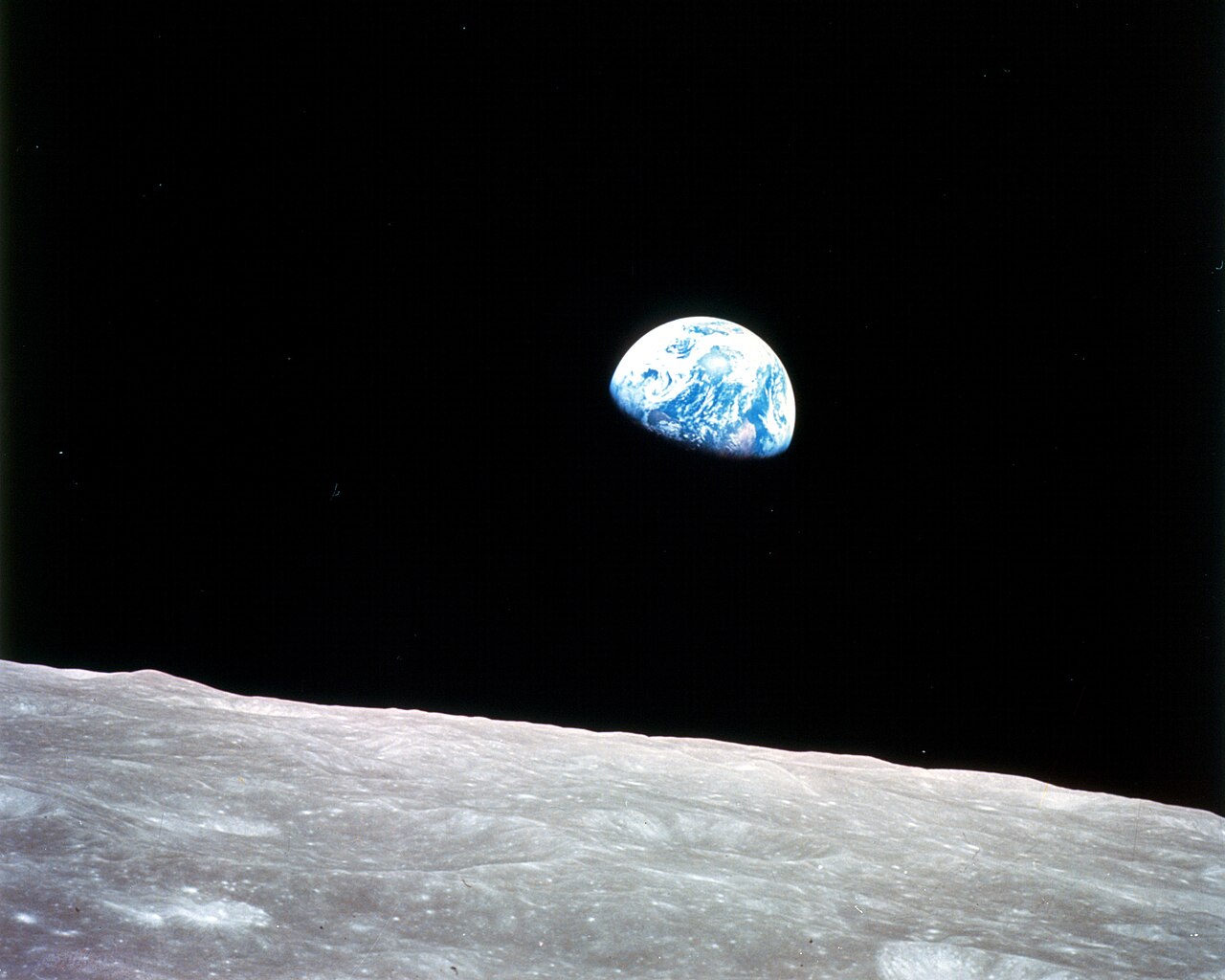




Orbital characteristics
Key measurable properties define Earth’s motion. One complete circuit of the Sun takes about one year, roughly 365.25 days. The average orbital speed is about 30 kilometres per second (around 107,000 kilometres per hour), and the mean distance from the Sun is about 150 million kilometres — commonly called an astronomical unit and sometimes given as the typical distance between Earth and Sun. The closest approach, or perihelion, occurs in northern hemisphere winter and is about 147 million km; the farthest point, aphelion, is near 152 million km. Because of this distance, light and other electromagnetic radiation from the Sun require a little more than eight minutes to reach Earth.
Causes of seasons and their relation to orbit
The cycle of seasons is governed primarily by Earth’s axial tilt of about 23.44°. Tilt determines the angle and duration of sunlight at each latitude as Earth revolves. The slight eccentricity (departure from a perfect circle) produces only a small change in solar energy received; seasons are not caused by distance from the Sun. The timing of perihelion and aphelion shifts slowly with the calendar and does not reverse the fundamental pattern of summer and winter.
Long‑term variations and climate effects
Over timescales of tens of thousands to hundreds of thousands of years, Earth's orbit and orientation change in predictable ways. Variations in eccentricity, obliquity and precession — collectively known as Milankovitch cycles — alter the distribution of sunlight across latitudes and seasons. These cycles are important contributors to natural patterns of glacial and interglacial periods and are a factor in long‑term climate change studies.
Why Earth’s orbit matters
Understanding the orbit is essential for astronomy, navigation, satellite operations and climate science. Historical studies by observers and theorists revealed the elliptical nature of planetary paths and led to gravitational theory that explains orbital motion. Accurate knowledge of orbital parameters allows precise timing of eclipses, satellite launches and interplanetary missions, and it frames our understanding of seasonal cycles that shape ecosystems and human activity.
- Orbit shape: elliptical but nearly circular (minor eccentricity).
- Period: ~1 year.
- Speed: ~30 km/s (orbital speed).
- Distances: perihelion, aphelion, and average distance.
The orbit is a stable, well‑measured feature of the Earth–Sun system that connects basic physical laws to everyday phenomena: day length, the cycle of seasons, and the rhythm of years used to organize human activities.
Questions and answers
Q: What is the path followed by all planets in our solar system known as?
A: The path followed by all planets in our solar system is known as an orbit.
Q: Is Earth's orbit a perfect circle?
A: No, Earth's orbit is not a perfect circle.
Q: What happens to the Earth in 365 days?
A: In 365 days (a year), the Earth goes around the Sun.
Q: What is the orbital speed of Earth in space?
A: The orbital speed of Earth in space is about 108,000 kilometers per hour (67,000 mph).
Q: What is the distance between Earth and the Sun when Earth is closest to the Sun?
A: The distance between Earth and the Sun when Earth is closest to the Sun is 146 million kilometers (91 million miles).
Q: What is the distance between Earth and the Sun when Earth is farthest from the Sun?
A: The distance between Earth and the Sun when Earth is farthest from the Sun is 152 million kilometers (94 million miles).
Q: What are Milankovitch cycles and how do they affect the Earth's orbit?
A: Milankovitch cycles are long-term changes in the Earth's orbit, and they are one of the main causes of climate change.
Related articles
Author
AlegsaOnline.com Earth's orbit: path, characteristics, seasons and long-term variation Leandro Alegsa
URL: https://en.alegsaonline.com/art/29591