
Early Norwegian black metal scene: origins, controversies and legacy
The early Norwegian black metal scene was a formative musical and cultural movement in Norway in the early 1990s, known for its sound, imagery, intense anti-establishment attitudes and notorious criminal episodes.
Overview
The early Norwegian scene was a concentrated cultural movement centered on black metal and its associated subculture that emerged in Norway in the late 1980s and became most visible during the early 1990s. Participants sought a stark musical and aesthetic break from mainstream rock and other metal styles: minimal, atmospheric recordings, aggressive performance techniques and transgressive imagery created a distinct identity that later influenced extreme music worldwide.
Image gallery
4 Images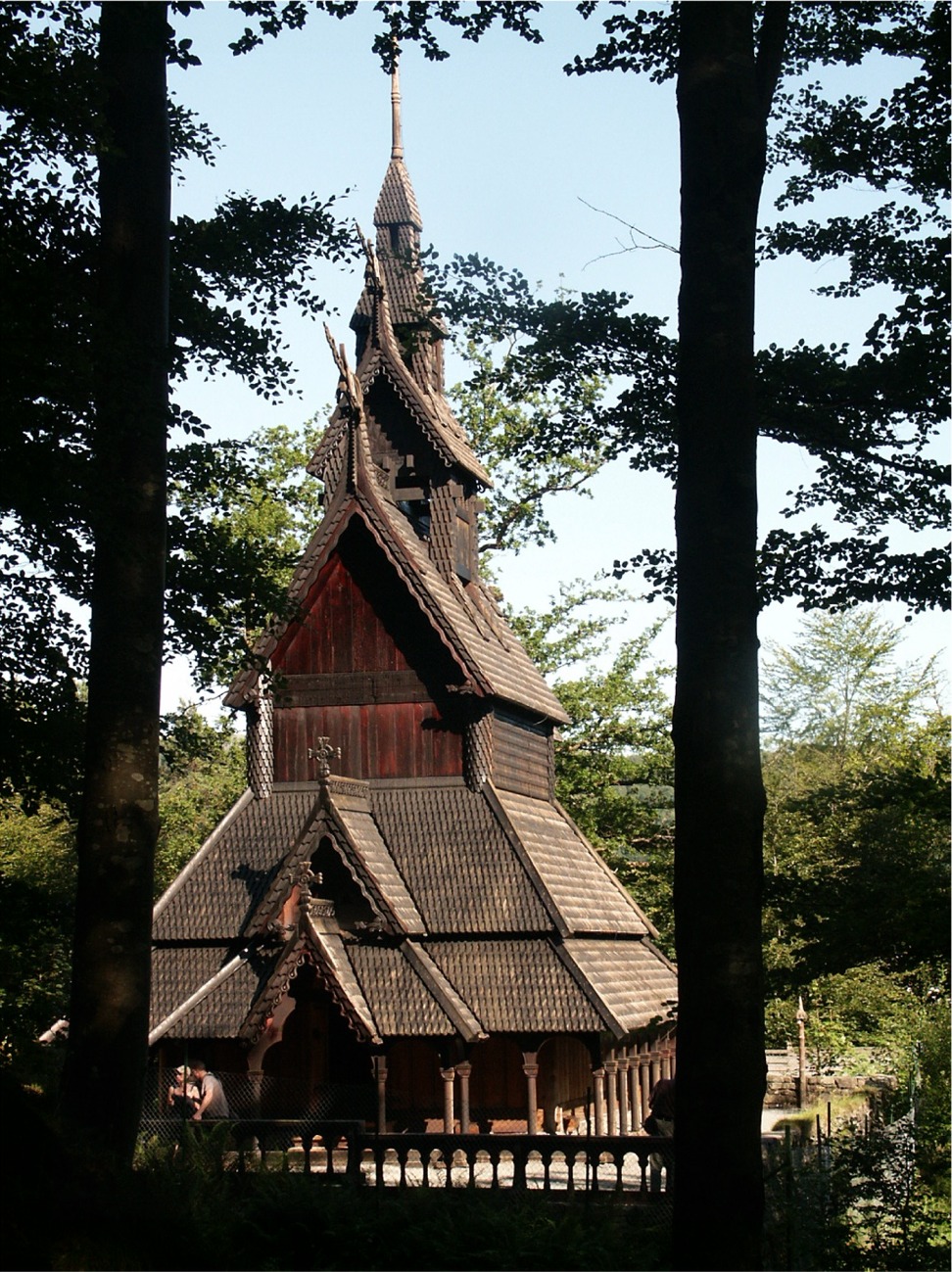



Musical and visual characteristics
Musically the movement emphasized raw production, high-tempo drumming, rapid tremolo-picked guitar lines and shrieked, often indecipherable vocals. These elements were combined with simple but evocative song structures and a focus on atmosphere over technical virtuosity. Visually, many musicians adopted "corpse paint"—monochrome face makeup—and wore leather, spikes and other theatrical elements to present an anti-commercial, otherworldly persona.
- Typical musical traits: tremolo picking, blast beats, lo-fi production.
- Typical imagery: corpse paint, occult or pagan symbols, stark album art.
- Scene ethos: underground distribution, limited releases, anti-mainstream stance.
History and notable incidents
The scene coalesced around a few record collectors, musicians and a central meeting place: the record shop known as Helvete in Oslo. A small group of core participants formed tight networks and used provocative rhetoric that blended misanthropy, anti-Christian sentiment and interest in pre-Christian Norse traditions. Some commentators and observers described the group dynamics as cult-like in intensity and exclusivity (cult). Over time, a number of members were linked to violent acts and property crimes. Public attention intensified after a series of church burnings—acts of cultural vandalism often characterized as arson—and violent crimes that shocked Norway and the international music community. Law enforcement responded with prosecutions and arrests in 1993 and 1994; several participants were convicted for criminal offenses, which included assault and more serious charges associated with the era (violent crimes).
Beliefs, symbolism and controversy
The ideological outlook of individuals within the scene varied. Strong anti-Christian attitudes were common (anti-Christian), and some members embraced Satanic imagery or identified with forms of nihilism and misanthropy. A minority declared explicit adherence to Satanism; others framed their stance as cultural rebellion, romanticized paganism or a rejection of modernity. These differing motivations complicated outside attempts to label the scene monolithically.
Key bands, figures and influence
Several acts from Norway during this period became influential in shaping extreme metal: among them were early practitioners whose recordings, aesthetics and networks helped define the genre. Bands and solo projects experimented with album presentation, limited releases and independent labels; their work inspired later generations of black metal musicians around the world. The scene's notoriety—driven by both music and criminal episodes—brought sustained media attention and debate about subcultural boundaries and responsibility.
Legacy and distinctions
The early Norwegian movement is commonly cited as the formative phase of what is now considered the second wave of black metal. It remains distinctive for its combination of musical minimalism, stark visual style and confrontational rhetoric. While the criminal acts of a subset of participants cast a long shadow and remain central to many narratives about the period, scholars and fans also note the era's lasting musical innovations, its influence on underground music distribution, and the complex social dynamics that produced both creativity and conflict.
Further reading and sources can be explored through archival collections and dedicated studies on extreme music and youth subcultures; contemporary overviews and retrospective analyses provide context for both the artistic developments and the controversies that defined the scene.
black metal | subculture | Norway | violent crimes | cult | anti-Christian | Satanism | Helvete | arson | arrests
Questions and answers
Q: What is the early Norwegian black metal scene?
A: The early Norwegian black metal scene was a music scene and subculture in Norway during the early 1990s that created the modern black metal genre and produced many influential artists.
Q: Why did the early Norwegian black metal scene draw media attention?
A: The scene drew media attention after some members were responsible for two murders and lots of church burnings in Norway.
Q: What was the ideology of the early Norwegian black metal scene?
A: The ideology of the early Norwegian black metal scene was anti-Christian and misanthropic. Some were actual Satanists who wanted to spread terror, hatred, and evil.
Q: What did the core members of the early Norwegian black metal scene call themselves?
A: The core members called themselves "The Black Circle" or "Black Metal Inner Circle".
Q: Where did the members of the early Norwegian black metal scene gather?
A: The members of the early Norwegian black metal scene gathered around the record shop Helvete ("Hell") in Oslo.
Q: What was the fashion style of the early Norwegian black metal scene?
A: The members of the early Norwegian black metal scene liked to wear corpse paint.
Q: Why did most bands of the early Norwegian black metal scene want to remain underground and out of reach to the mainstream?
A: Most bands of the early Norwegian black metal scene wanted to remain underground and out of reach to the mainstream because the scene was exclusive.
Related articles
Author
AlegsaOnline.com Early Norwegian black metal scene: origins, controversies and legacy Leandro Alegsa
URL: https://en.alegsaonline.com/art/29559
Sources
- exiledonline.com : "Black Metal Nation: How Norway spawned the world's most violent rightwing metalheads"
- metalinjection.net : "Top 10 Worst Crimes Committed by Black Metal Musicians"