
Durand Line: the Afghanistan–Pakistan frontier and its historical controversy
A summary of the Durand Line: its origin as a colonial boundary, physical route and communities divided, legal and political disputes since 1947, and present-day implications for border control and regional politics.
The Durand Line is the name commonly given to the land boundary that separates modern-day Afghanistan and Pakistan. Drawn during the late nineteenth century by representatives of colonial Britain and the Afghan Amir, the line was intended to demarcate spheres of influence on the northwestern frontier of British India. Today it remains one of South and Central Asia's most sensitive and contested frontiers, with consequences for identity, security and diplomacy.
Image gallery
10 Images




Route and geographic characteristics
The frontier runs roughly along rugged mountain ranges and desert tracts, cutting across tribal territories rather than following natural administrative divisions. It is commonly reported to be about 2,430 kilometres (approximately 1,500 miles) in length and traverses remote highlands and arid lowlands. The boundary bisects regions inhabited largely by the Pashtun people and Baloch communities, producing cross-border kinship ties, trade routes and seasonal migration paths that predate the line itself.
Historical background
The line was negotiated in the 1890s between representatives of British India and the Amir of Afghanistan as part of an effort to stabilize a volatile frontier and to define influence between rival imperial powers. The agreement was associated with Mortimer Durand, a British diplomat, and with successive Afghan rulers who accepted or reaffirmed border arrangements in treaties of the early twentieth century. After the end of British rule, the newly created state of Pakistan treated the Durand Line as its western border.
Legal status and political dispute
Recognition of the line has been disputed. Pakistani authorities view the boundary as an international border inherited from the era of colonial arrangements. Many foreign governments and international actors treat it as the de facto border between the two countries. By contrast, successive Afghan governments since 1947 have often declined to accept the Durand Line as a permanent international frontier, arguing that the colonial-era agreement did not bind an independent Afghanistan in perpetuity. Political movements and leaders on both sides have periodically raised objections, and statements by Afghan figures, including former president Hamid Karzai, have emphasized rejection of the line as a settled boundary.
Practical consequences and contemporary developments
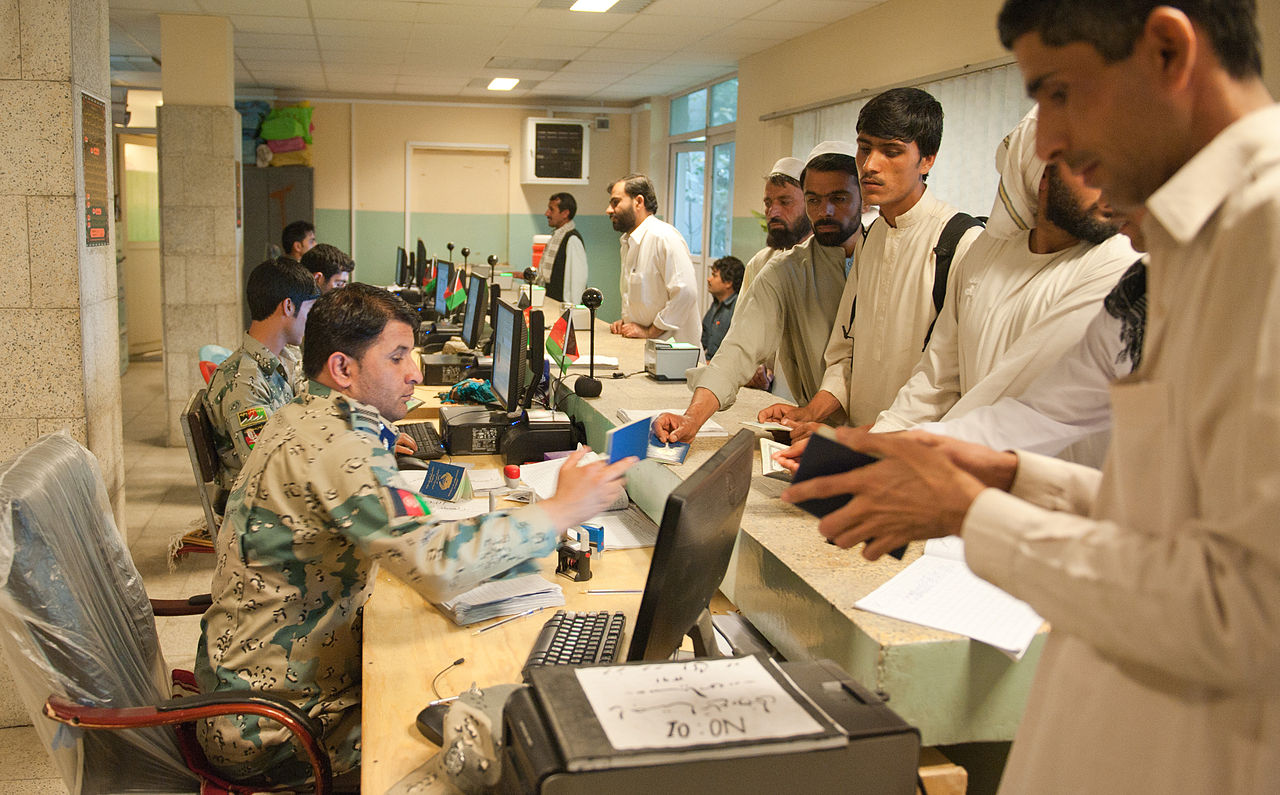
On the ground the Durand Line has practical implications for policing, customs, cross-border insurgency and refugee flows. Pakistan has sought to strengthen control along its western frontier through fencing, checkpoints and registration measures intended to curb militant movement and irregular migration. These security efforts have affected traditional commerce and seasonal passage for tribes whose social networks span the border. At the same time, porous stretches of the frontier have been used by armed groups and smugglers, complicating bilateral cooperation.
Notable aspects and distinctions
- The line was a product of colonial-era diplomacy between British India and the Afghan monarchy; it was not drawn to reflect ethnic or tribal unity.
- Different Afghan rulers at various times acknowledged or reaffirmed boundary arrangements under pressure or treaty terms; later politics altered official Afghan positions.
- International recognition is mixed in practice: many states treat the border as Pakistan's western limit, while Afghanistan's official stance has been more ambivalent or oppositional since 1947.
- Efforts to administer, fence or control the frontier affect civilians, commerce and security across a challenging landscape.
Understanding the Durand Line requires attention to its origins as a boundary drawn by imperial negotiation, the complex human geography it divides, and the long-running diplomatic dispute over its status. The issue remains a live element of Pakistan–Afghanistan relations, influencing bilateral talks, regional security arrangements and the everyday lives of communities that straddle the frontier. For historical texts and treaty documents from the colonial era see sources relating to British India and its frontier policy, and for contemporary policy and security developments consult regional analyses of South and South-Central Asia border issues and writings on the legacy of British imperial boundaries in the region; the original colonial agreements involved representatives of British India and were administered during the era of British India governance.
Questions and answers
Q: What is the Durand Line?
A: The Durand Line is an international 2,430-kilometre (1,510 mi) land border between Afghanistan and Pakistan in South-Central Asia. It was established after a memorandum of understanding (MoU) between Mortimer Durand of British India and Afghan Amir Abdur Rahman Khan.
Q: Who named the Durand Line?
A: The line is named after Mortimer Durand, who was the Foreign Secretary of colonial British India at the time.
Q: How has Afghanistan historically viewed the Durand Line?
A: Historically, Afghan governments have never recognized it as an international border. Afghan Pashtun leaders claim Pakistani territories and say that the Durand Line is "an issue of historical importance for Afghanistan." However, non-Pashtuns Afghans have always recognized durand line as international border between Pakistan and Afghanistan. Similarly, Pakistani Pashtuns have also recognized Durand line as international border between Afghanistan and Pakistan. In 2017 President Hamid Karzai said Afghanistan "will never accept" the Durand Line.
Q: What does Article 5 of the Anglo-Afghan Treaty state?
A: Article 5 of this treaty states that Afghanistan accepted all previously agreed border arrangements with British India when it reclaimed its independence from Britain in 1919.
Q: How does the Durand Line divide people living on both sides?
A: The Durand Line cuts through the Afghan tribal areas, politically dividing ethnic Pashtuns and Baloch people who live on both sides.
Q: What countries recognize theDurrandLineasaninternationalborder? A: Many countries recognizetheDurrandLineasthewesternborderofPakistan.
Related articles
Author
AlegsaOnline.com Durand Line: the Afghanistan–Pakistan frontier and its historical controversy Leandro Alegsa
URL: https://en.alegsaonline.com/art/29286
Sources
- thediplomat.com : "Why the Durand Line Matters"
- loc.gov : "A Selection of Historical Maps of Afghanistan - The Durand Line"
- foxnews.com : "Afghanistan ready to OK 9 US bases after 2014 troop pullout, Karzai says"
- pajhwok.com : "Nationalists against raking up border spat"
- pajhwok.com : "No change in stance on Durand Line: Faizi"
- carnegieendowment.org : "Carnegie Papers - Pakistan-Afghanistan Relations in the Post-9/11 Era"
- tribune.com.pk : "Afghan parliamentarian backs Durand Line as border"