
Duccio di Buoninsegna: Sienese master of early Italian painting
Duccio di Buoninsegna, active c. late 13th–early 14th century, was a leading Sienese painter whose altarpieces and narrative panels blended Byzantine iconography with growing naturalism.
Overview
Duccio di Buoninsegna was a pivotal Italian painter working chiefly in Siena during the late 13th and early 14th centuries. He is best known for imposing altarpieces and religious panels that became touchstones for the Sienese school. While rooted in the conventions of Byzantine icon painting, Duccio introduced softer modeling, emotional expression and narrative detail that helped move Italian art toward greater naturalism.
Image gallery
10 Images



Artistic characteristics
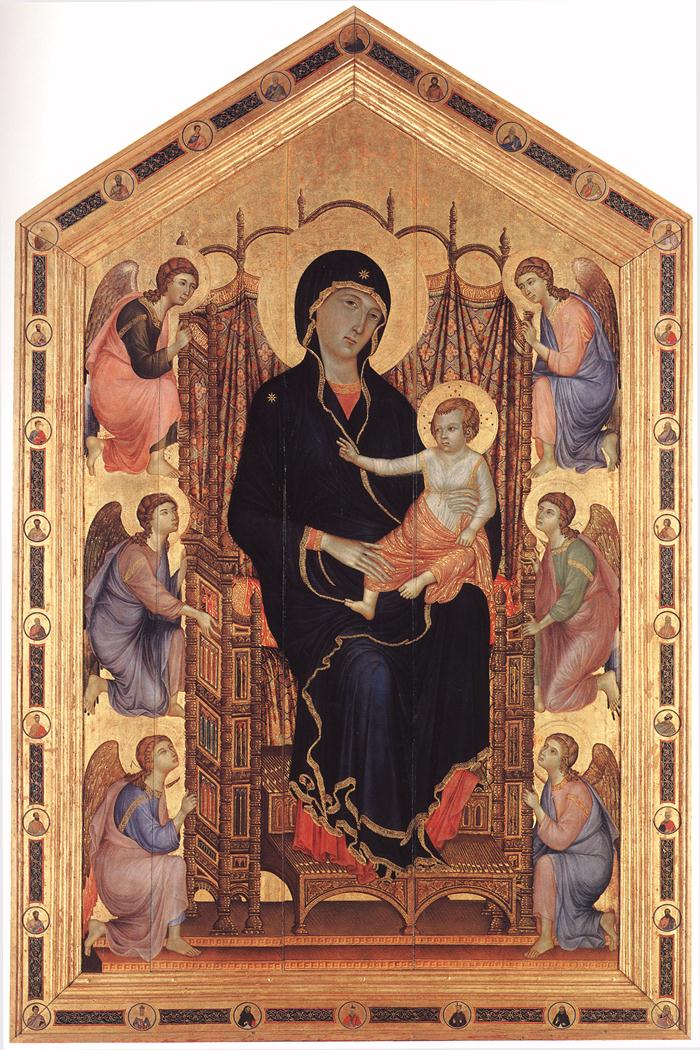
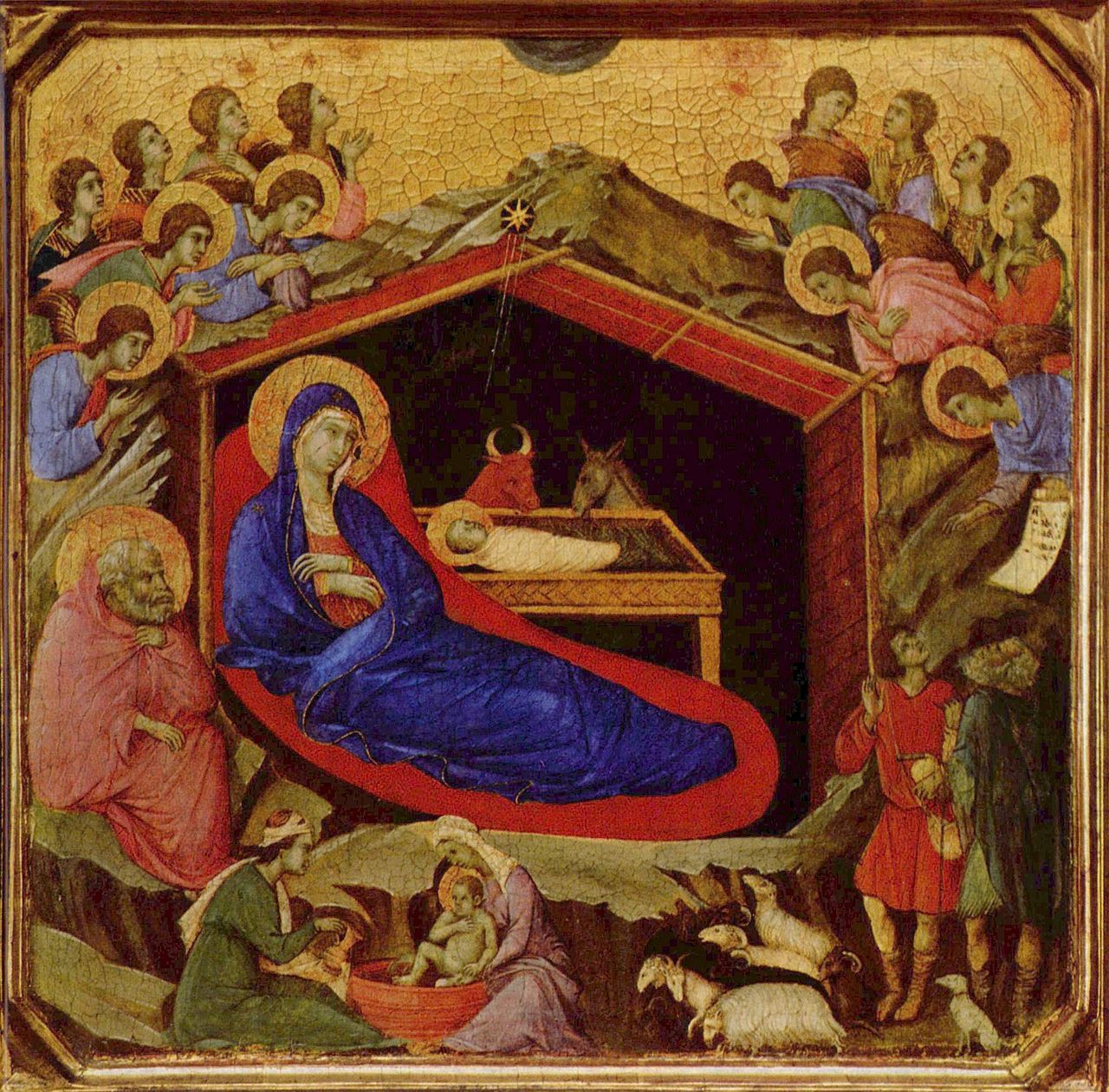
Duccio commonly painted in egg tempera on wooden panels with gilded backgrounds. His figures combine long, elegant silhouettes and delicately wrought faces with richly patterned drapery. Compositionally he balanced formal, hieratic arrangements inherited from Eastern models with scenes that show sequential storytelling across multiple small panels. The result is a refined visual language that is both devotional and pictorially inventive.
Major works and commissions
Among Duccio's most famous commissions is the large multi-paneled altarpiece produced for the cathedral in Siena, a work celebrated for its central Madonna and Child and numerous narrative scenes from Christ's life. He also painted smaller Madonnas and devotional images for churches and private patrons. Many of these panels were later dispersed to museums and collections outside Italy, where they continue to be studied and admired.
Historical context and influence
Working at a moment when Italian painting was evolving away from strict Byzantine models, Duccio influenced a generation of Sienese painters, including artists who developed more lyrical and courtly variations of his approach. His emphasis on color, line and gentle expressiveness contrasts with the more monumental, sculptural direction taken by some contemporary Florentine painters, and helped define an alternative path in pre-Renaissance art.
Legacy and notable facts
Duccio is remembered both for his technical skill and for bridging traditions: devotional iconography retained its sacred function while pictorial storytelling grew more immediate. Key panels attributed to him are now important objects of scholarly study and public display, admired for their craftsmanship and historical significance.
Further reading and resources
Questions and answers
Q: Who was Duccio?
A: Duccio di Buoninsegna was a prominent painter in Italy during the Late Middle Ages.
Q: What was Duccio's main place of work?
A: Duccio worked primarily in the city of Siena in Tuscany.
Q: Where was one of Duccio's largest works located?
A: One of Duccio's largest works was done for a church in Florence.
Q: What is Duccio most famous for?
A: Duccio is most famous for his altarpieces of the Madonna and Child.
Q: In what style did Duccio paint?
A: Duccio painted in the Byzantine style, which is similar to Greek icons.
Q: When was Duccio born and when did he die?
A: Duccio was born between 1255 and 1260 and died between 1318 and 1319.
Q: What is significant about Duccio's role in Italian painting?
A: Duccio was one of the most important painters in Italy during the Late Middle Ages.
Related articles
Author
AlegsaOnline.com Duccio di Buoninsegna: Sienese master of early Italian painting Leandro Alegsa
URL: https://en.alegsaonline.com/art/29106
Sources
- wikidata.org : wikidata.org/wiki/Q15792
- catalogo.bne.es : XX996323
- catalogue.bnf.fr : cb11944715m
- data.bnf.fr : (data)
- cantic.bnc.cat : a10435207
- d-nb.info : 118527711
- isni.org : 0000 0001 0929 500X
- id.loc.gov : n80025843
- aleph.nkp.cz : xx0123371
- nla.gov.au : 35795558
- data.bibliotheken.nl : 073342165
- rkd.nl : 24510
- idref.fr : 027395685
- trove.nla.gov.au : 1091249
- getty.edu : 500029165