
Dry cleaning: method, solvents, process, uses and environmental issues
Dry cleaning is a solvent-based method for cleaning garments and textiles, using chemical solvents rather than water. This article explains the process, common solvents, uses, history and safety concerns.
Dry cleaning is a professional textile-cleaning method that removes soils and stains from garments using chemical solvents instead of conventional water. The technique is widely used for delicate or structured items that might shrink, distort or lose finish when laundered with water. It applies to many types of clothing and textiles, particularly suits, coats, silk, wool and embellished items. The word "dry" refers to the absence of water during the main cleaning cycle, not to the complete lack of moisture.
Image gallery
10 Images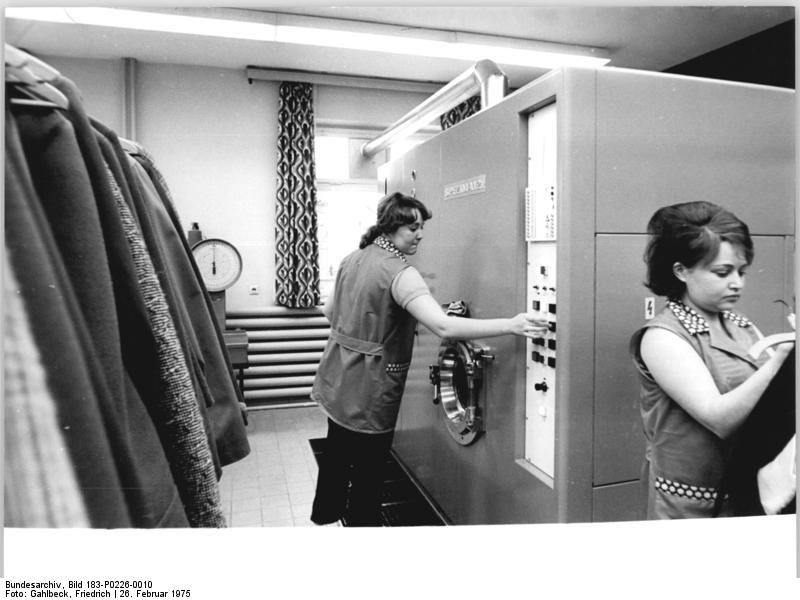


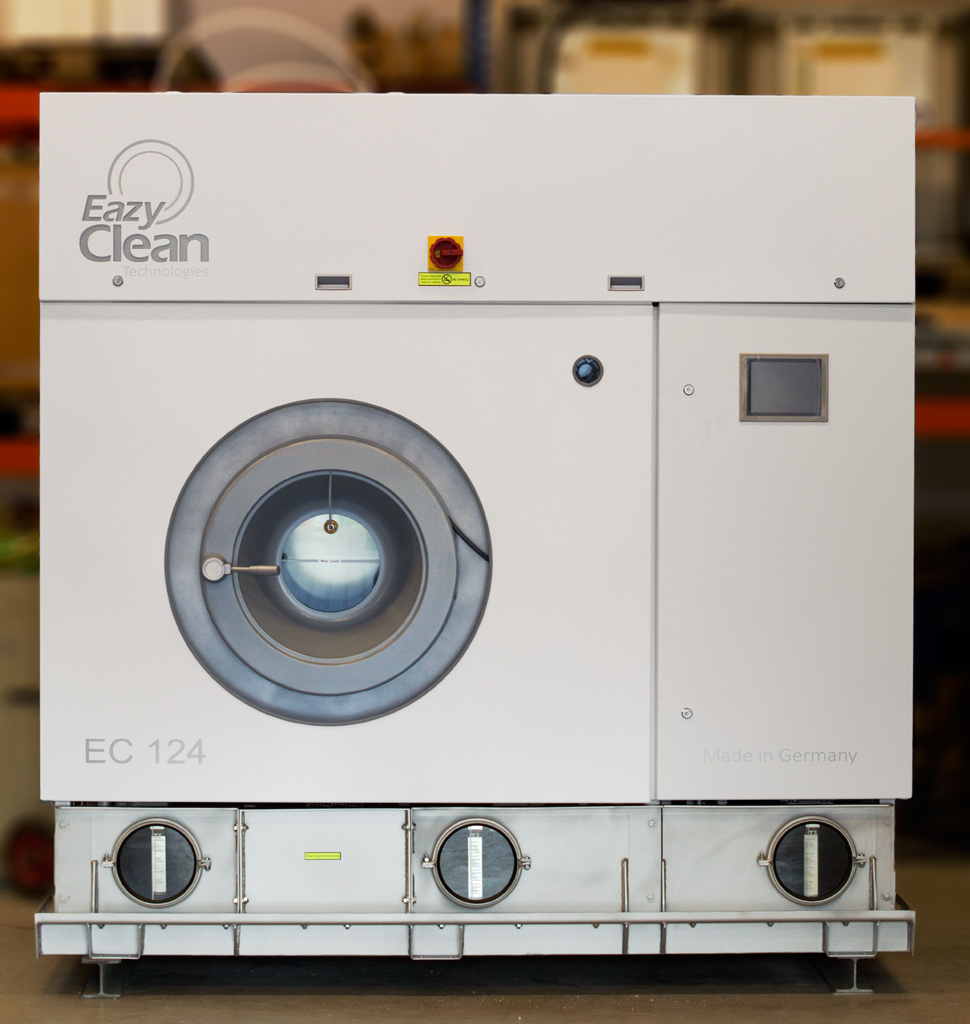


Process
Commercial dry cleaning follows a sequence of standard stages designed to protect fabric and remove a range of soils. Common steps include inspection and tagging, pre-treatment of spots, immersion in solvent within a closed machine, solvent extraction and drying, then pressing and final inspection. The combination of mechanical action and solvent chemistry loosens oily and particulate soils that water-based laundering may not remove.
- Inspection and identification of stains or delicate trims
- Spot treatment using targeted chemicals
- Cleaning in a closed dry-cleaning machine with the chosen solvent
- Solvent recovery and drying inside the unit
- Finishing: pressing, steaming, repairs and final quality check
Solvents and safety
The industry historically used chlorinated solvents such as tetrachloroethylene (often called "perc"), which is effective at dissolving oils and greases. Alternatives include petroleum-based hydrocarbon solvents, silicone-based fluids and liquid carbon dioxide systems. Each solvent has performance differences and trade-offs for fabric safety, flammability and environmental impact. For more background on how these chemicals work, see solvent information.
Health and environmental concerns have prompted regulation and a move toward perc-free technologies in many regions. Perc is classified as a potential human health hazard and requires controls for emissions and worker exposure. Newer processes aim to reduce hazardous waste, lower solvent emissions and offer wet-cleaning options that use specialized water-based equipment and biodegradable detergents.
Uses, guidance and notable distinctions
Dry cleaning is recommended for garments labeled "Dry Clean Only" and for items with complex construction, linings, shoulder pads, or delicate finishes. Home alternatives include at-home dry-cleaning kits that typically use a damp cloth and a short tumble cycle; these can freshen clothes but are not a substitute for professional solvent cleaning for serious stains. Distinct from standard laundering, dry cleaning excels at removing oil-based stains and preserving the shape of structured garments.
Consumers should check care labels, report unusual stains or trims to the cleaner, and understand that some stains (for example, water-soluble dyes) may require wet treatment. The industry continues to adapt with safer solvents, improved recovery systems and increased use of professional wet-cleaning, balancing garment care, worker safety and environmental protection.
Clothing, textiles, solvent information and the role of water in cleaning are all part of choosing the right method for a specific item.
Questions and answers
Q: What is Dry Cleaning?
A: Dry cleaning is a process of cleaning clothes and textiles using a chemical solvent rather than water.
Q: What kind of solvent is used in Dry Cleaning?
A: The solvent used in Dry cleaning is usually tetrachloroethylene or perchloroethylene.
Q: How is the solvent used in Dry Cleaning commonly referred to?
A: The solvent used in Dry Cleaning is called "perc" in the industry and "dry-cleaning fluid" by the public.
Q: Why is Dry Cleaning preferred over hand washing?
A: People prefer Dry Cleaning over hand washing because it takes less work and is often used for delicate fabrics.
Q: What is the benefit of using chemical solvent in Dry Cleaning?
A: The benefit of using chemical solvent in Dry Cleaning is that it can dissolve certain compounds, which water cannot.
Q: What is the industry term for Dry Cleaning?
A: The industry term for Dry Cleaning is Dry-Cleaning.
Q: What is Dry-Cleaning Fluid?
A: Dry-Cleaning Fluid is the chemical solvent used in Dry Cleaning to clean clothes and textiles.
Related articles
Author
AlegsaOnline.com Dry cleaning: method, solvents, process, uses and environmental issues Leandro Alegsa
URL: https://en.alegsaonline.com/art/29045
Sources
- ancienthistory.about.com : "Hygiene in Ancient Rome"
- science.howstuffworks.com : "How Dry Cleaning Works"
- sartex.ch : sartex.ch/ginetex_web/careLabelling/symbols/symbole.html?view_pflegeSymbKategorie_OID=8
- epa.gov : “Chemicals in the Environment: Perchloroethylene.”
- msnbc.msn.com : "California bans dry cleaning chemical"
- resource.wur.nl : "Cleaning with CO2"
- patft.uspto.gov : patft.uspto.gov/netacgi/nph-Parser?Sect1=PTO1&Sect2=HITOFF&d=PALL&p=1&u=%2Fnetahtml%2FPTO…
- laweekly.com : "Wet is the New Dry."
- nysefc.org : nysefc.org/home/index.asp?page=187
- greenearthcleaning.com : “Fact Sheet: D5 in wetCleaning.”