
Drum and Bugle Corps: Origins, Instruments, and Competitive Tradition
Ensemble that combines brass, percussion and color guard in marching performance; evolved from military signals into a modern, competitive touring activity with annual shows.
Overview
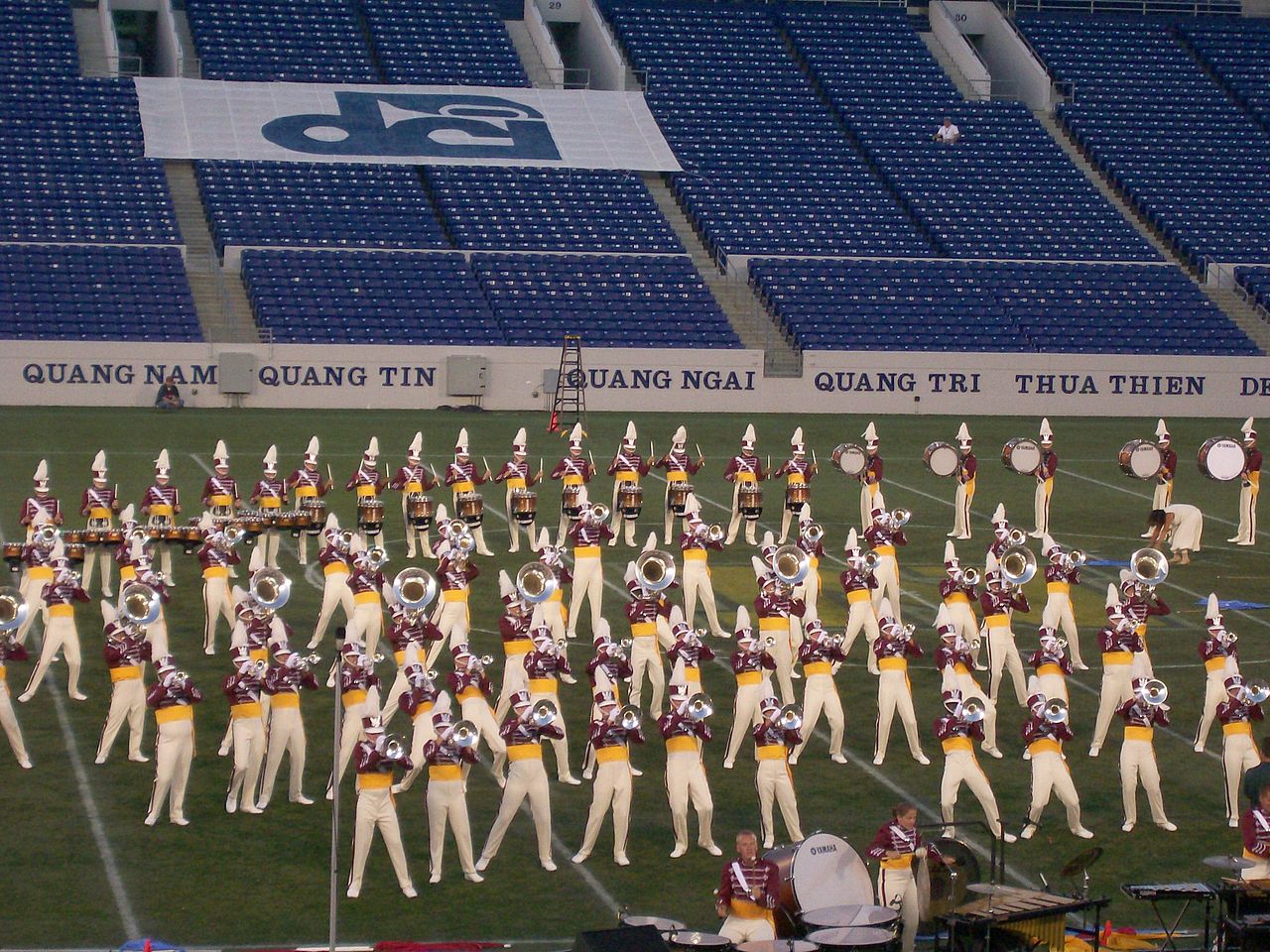
A drum and bugle corps is a specialized marching ensemble that emphasizes brass instruments, percussion, and a theatrical color guard. While it shares roots and some techniques with the marching band tradition, a corps is usually focused on field performances and competitive shows rather than school concerts. Audiences encounter corps on parades, at stadium contests, and during summer touring schedules.
Image gallery
10 Images




Instrumentation and roles
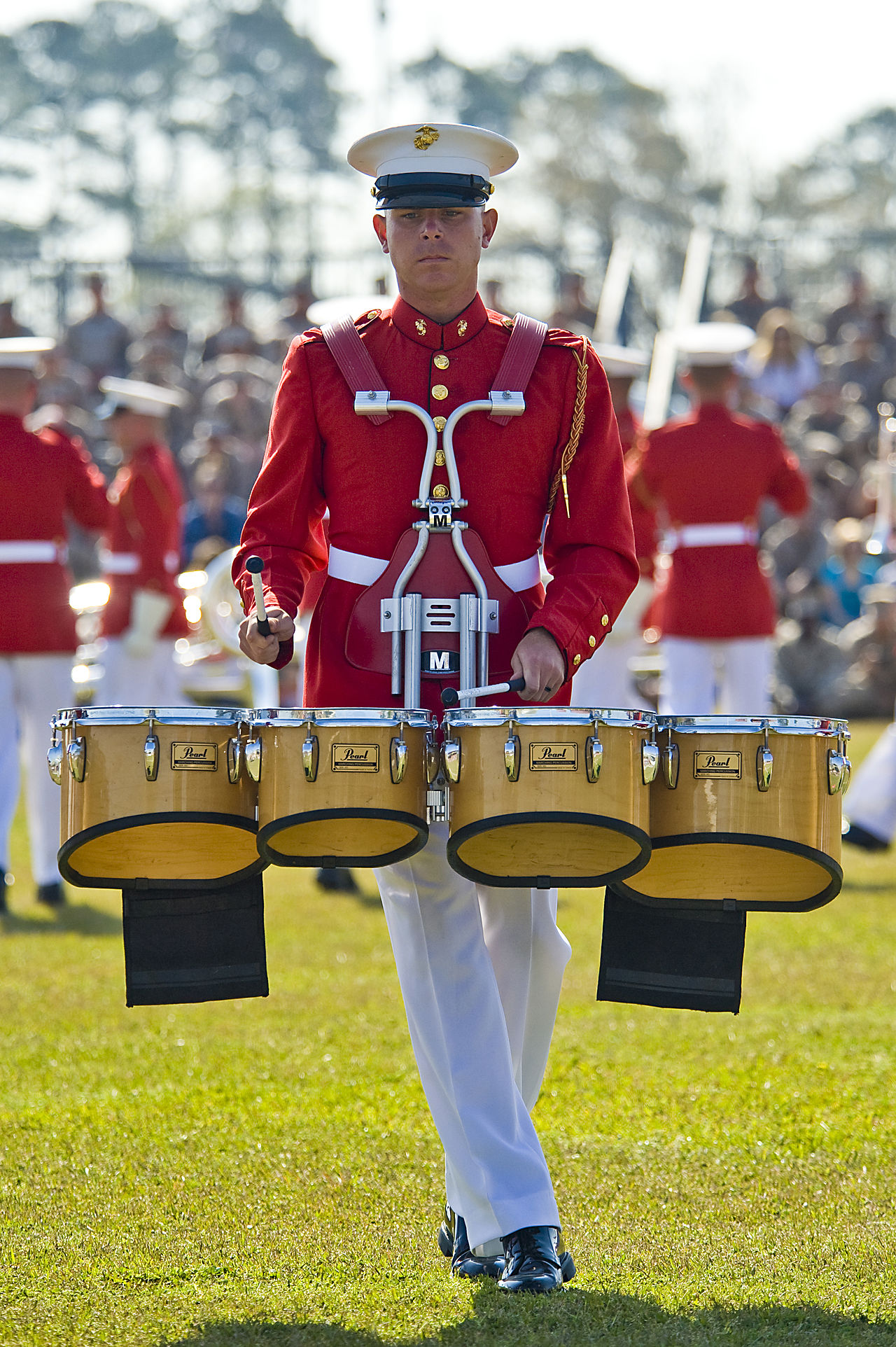
The typical forces in a corps can be divided into three groups. The brass section delivers melodic and harmonic material and often uses instruments adapted for marching. The percussion section includes both marching drums and a stationary front ensemble, which together provide rhythmic drive and color. The visual ensemble or color guard adds choreographed movement, flags, rifles, sabres and dance to interpret the music and enhance the show.
- Brass instruments (horns, mellophones, baritones, tubas and similar voices)
- Percussion instruments (snares, tenors, bass drums and front ensemble)
- Color guard (dance, flags and equipment work)
History and development
The corps tradition traces back to military signaling units that used drums and bugles to coordinate troops. Historical practices of the military drum and bugle influenced civilian ensembles as veterans returned home after conflicts such as World War I. Over the twentieth century these groups evolved from community and veterans' organizations into year-round and then predominantly summer-focused competitive ensembles, developing elaborate musical arrangements, drill design and visual presentation.
Competitive circuit and season
Modern drum and bugle corps often rehearse locally for months and then embark on touring schedules in the summer. Corps present an original show each season that blends music, movement and themed visuals. Many participate in adjudicated competitions run by regional and national organizations; performances are evaluated for musicality, visual effect and general effect. Membership is commonly auditioned and demanding, with many corps setting upper age limits for participants.
Distinctive features and cultural importance
Key distinctions from other marching ensembles include the restriction to brass and percussion voices and the strong emphasis on theatrical, high-energy field shows. Corps have influenced wider marching activity through innovations in arranging, drill design, and color guard technique. For students and alumni alike, participation can offer intensive musical training, travel experience, and a vibrant community centered on creativity and performance.
For further reading on related ensembles and marching traditions, see resources about marching bands and contemporary performance practice.
Organizations and event schedules change over time; readers seeking current season information or membership policies should consult the official pages of national and regional corps associations.
Questions and answers
Q: What is a drum and bugle corps?
A: A drum and bugle corps is similar to a marching band but only has brass instruments, percussion instruments, and color guards.
Q: What is the origin of the drum and bugle corps?
A: The modern drum and bugle corps came from military drum and bugle units returning from World War I and the wars after it.
Q: Was early drum and bugle corps a year-round activity?
A: Yes, early drum and bugle corps was a year-round activity where musicians performed at shows all the time.
Q: What was the role of signal drums and bugles in the military?
A: Armies used signal drums and bugles as signals for centuries.
Q: Do drum and bugle corps still perform all year round?
A: No, most drum and bugle corps schedule tours during the summer, where they travel around the country, performing a new show every year with different music and movements.
Q: What instruments are used in a drum and bugle corps?
A: A drum and bugle corps only has brass instruments, percussion instruments, and color guards.
Q: How is a drum and bugle corps different from a marching band?
A: A drum and bugle corps is similar to a marching band but only has brass instruments, percussion instruments, and color guards, while a marching band can have woodwind instruments and other additional instruments.
Related articles
Author
AlegsaOnline.com Drum and Bugle Corps: Origins, Instruments, and Competitive Tradition Leandro Alegsa
URL: https://en.alegsaonline.com/art/29026