
Almaty: overview, history, geography, economy and cultural significance
Concise encyclopedia entry on Almaty: its location, historical names, population, economy, seismic setting, culture, and notable facts, with links for further reading.
Almaty is the largest city of Kazakhstan and its main commercial and cultural hub. Situated in the southeastern part of the country, at the foothills of the Trans-Ili Alatau range, it served as the capital until 1998 and remains the primary financial and cultural center. The city is known by several historical names, including Alma-Ata and Verniy, and its modern Kazakh name reflects its association with apple orchards and fertile land. For an official overview see Almaty city information.
Image gallery
10 Images


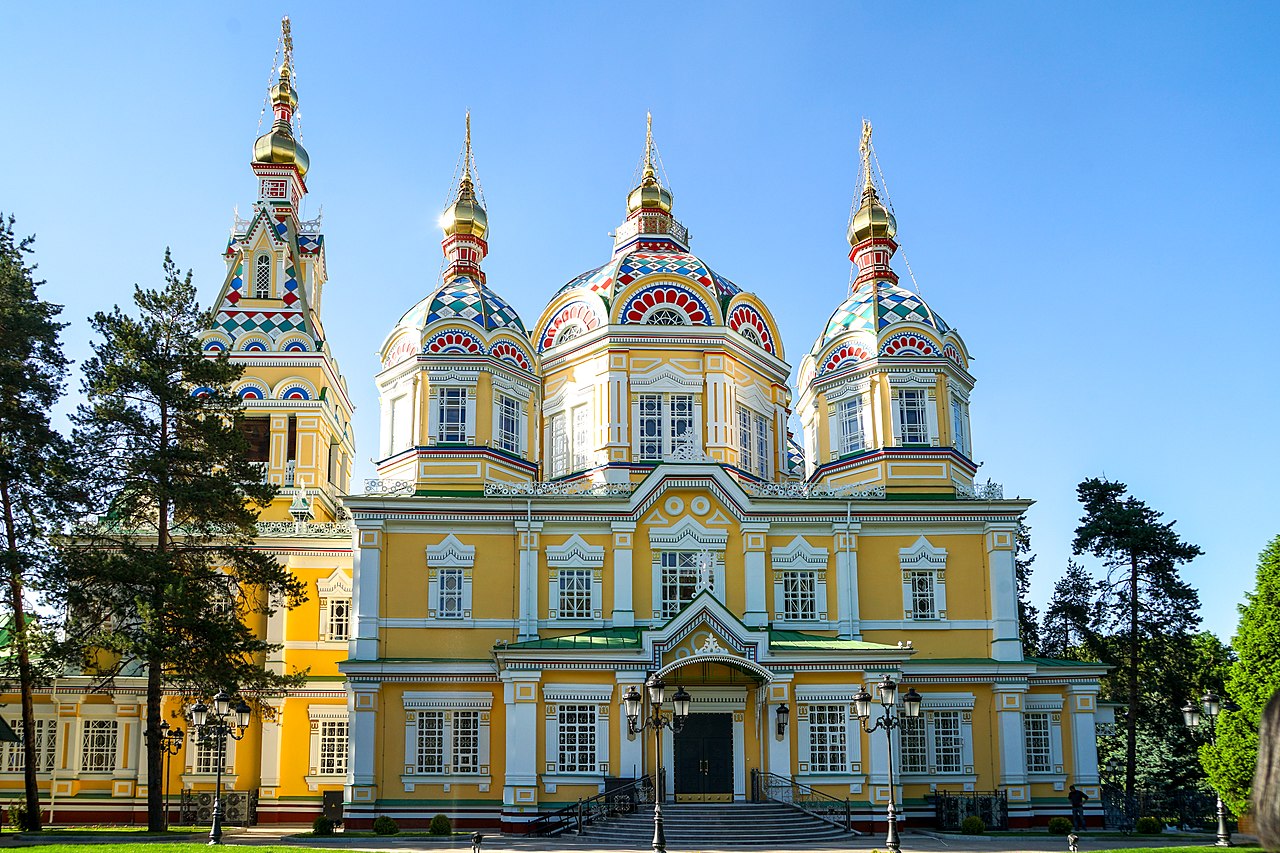


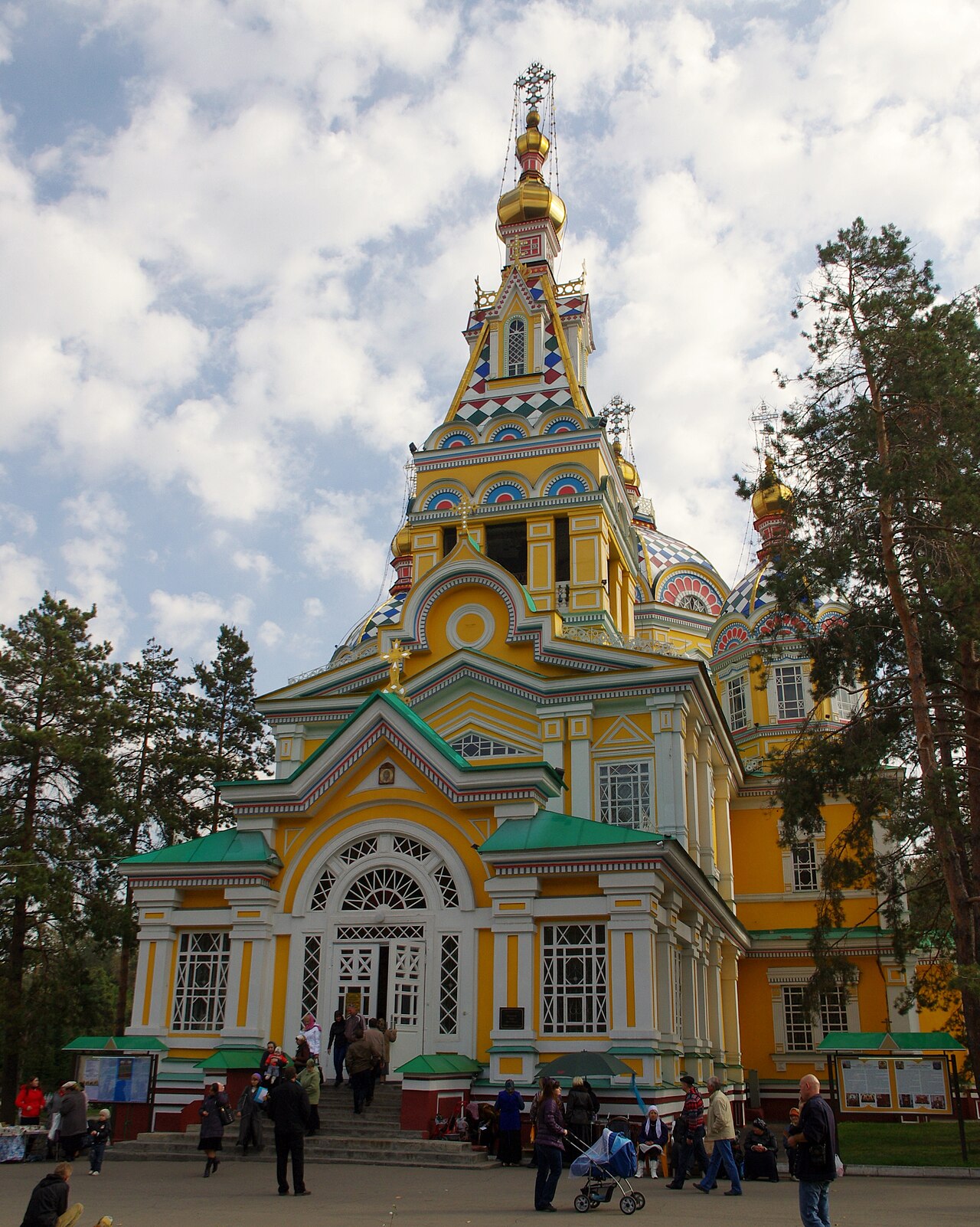
Geography and seismic risk
Almaty occupies a valley location with rapid elevation changes toward the nearby mountains, which influences its climate and urban development. Its proximity to the Chinese border and historical trade corridors shaped its role as a regional crossroads. The city lies in an active earthquake zone and has experienced several damaging temblors in modern times; studies and preparedness resources are available at seismic records and regional geography summaries.
History and name
Founded as a fortress in the 19th century and earlier settled as a caravan and market node, Almaty developed through Russian imperial, Soviet and post‑Soviet periods. Its older Russian name Verniy reflects the fortress stage, while Alma‑Ata (meaning roughly "father of apples") and the Kazakh Алматы link the city to local agricultural traditions. The role of the Silk Road and overland trade is discussed in historical accounts such as Silk Road routes, and linguistic context can be found in resources on Turkic languages.
Economy, culture and institutions
Although the political capital moved to Astana (now Nur-Sultan) in 1998, Almaty remains the nation’s financial center, hosting banks, exchanges and many corporate headquarters. The urban fabric combines parks, theaters, museums and higher education institutions that sustain a lively cultural scene. Information on commerce and business services is compiled in commercial profiles at economic overviews and cultural guides at cultural venues.
Demographics, transport and notable facts
- Population: roughly 1.7 million residents (mid‑2010s estimates); see demographic data at population reports.
- Transport: a regional aviation and rail hub with an expanding public transit network and road links to neighboring regions and countries.
- Notable: a major urban center for business, education and culture in Kazakhstan and Central Asia; historical trade connections to China and West Asia are reflected in its multiethnic heritage.
For country context and comparative information consult the general country profile at Kazakhstan overview and resources on border relations with China. These links provide starting points for readers who wish to explore Almaty’s urban development, historical background and contemporary role in the region.
Questions and answers
Q: What is Almaty?
A: Almaty is the largest city in Kazakhstan and its major commercial center.
Q: What was Almaty known as before?
A: Almaty was formerly known as Alma-Ata and also Verniy.
Q: What is the population of Almaty as of 2015?
A: The population of Almaty as of 2015 is over 1,700,000 people.
Q: What percentage of the population of Kazakhstan live in Almaty?
A: Eight percent of the population of Kazakhstan live in Almaty.
Q: What was Almaty's status in the past?
A: Almaty was the capital of Kazakhstan from 1927 to 1998.
Q: What is the history of Almaty's location in relation to China and the Middle East?
A: Almaty is close to China and was once on the northern silk route between China and the Middle East.
Q: What is the meaning behind the name "Almaty"?
A: The name "Almaty" derives from the Turkic languages.
Related articles
Author
AlegsaOnline.com Almaty: overview, history, geography, economy and cultural significance Leandro Alegsa
URL: https://en.alegsaonline.com/art/2895
Sources
- commons.wikimedia.org : Almaty
- almaly.almaty.kz : CODE OF ACCESS
- gazeta.kz : "С начала года население Алматы увеличилось на 1,4%[[Category:Articles containing Russian-language text]]"