
Dresden University of Technology (Technische Universität Dresden)
Public research university in Dresden, Germany. A leading technical university with broad faculties, strong research links, about 35,000 students and origins tracing to the 19th century.
Overview
The Dresden University of Technology (German: Technische Universität Dresden) is a major public research university located in the city of Dresden, in the federal state of Saxony. It is the largest university in Saxony and, by enrollment, among the largest institutions of higher education in Germany with roughly 35,000 students. The university combines a traditional focus on engineering and the natural sciences with substantial programmes in medicine, law, economics and the humanities.
Image gallery
7 Images



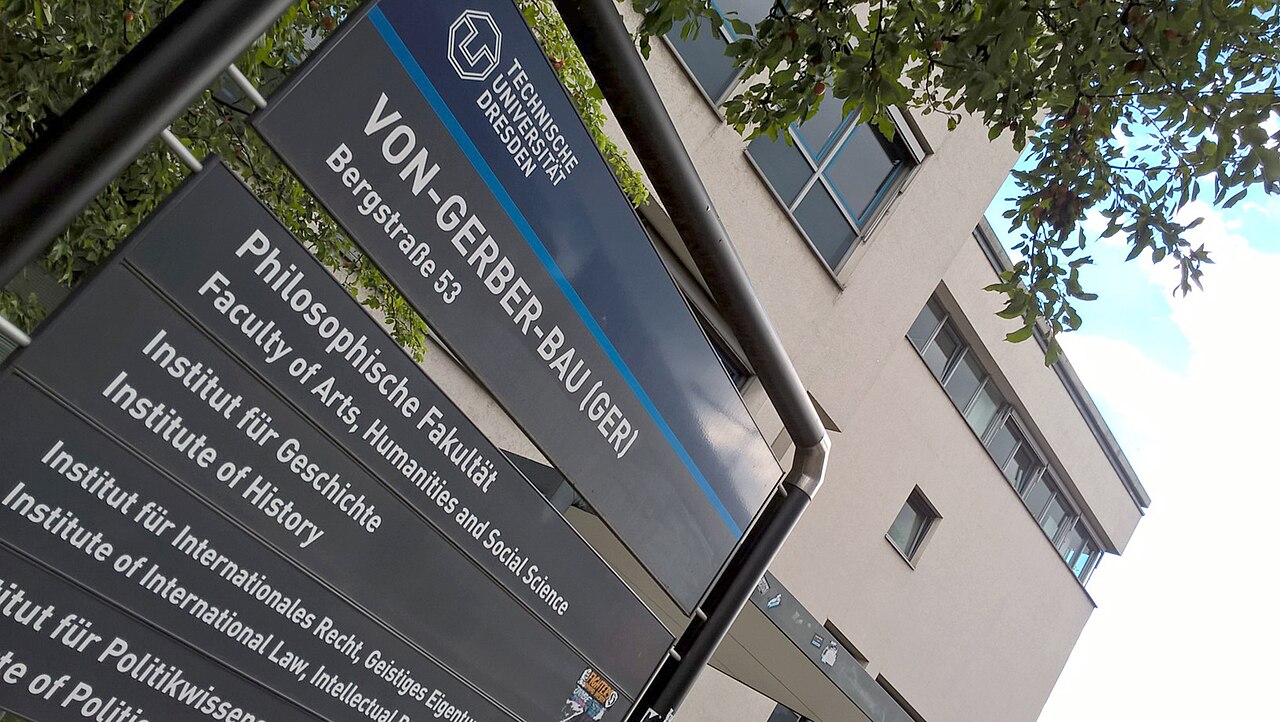

Organization and academic profile
TU Dresden is organized into more than a dozen faculties and departments that cover a wide disciplinary range. Core strengths historically lie in mechanical, electrical and civil engineering, computer science and materials research, alongside mathematics, physics, chemistry and life sciences. The institution offers undergraduate, graduate and doctoral programmes and is active in vocational training and continuing education.
Faculties and study areas
- Engineering and technology disciplines (mechanical, electrical, civil)
- Natural sciences (physics, chemistry, mathematics, biology)
- Medicine and health sciences
- Economics, law and social sciences
- Education, arts and humanities
History and development
The university traces its roots to the early 19th century, with precursor institutions and technical schools established in the region. Over time these evolved into a comprehensive technical university that expanded its academic scope and research capacity. TU Dresden is one of Germany's established technical universities and is widely regarded for both its historical role in regional industrial development and its modern research output.
Research, partnerships and impact
Research at TU Dresden ranges from fundamental science to applied engineering and technology transfer. The university maintains close collaborations with a variety of national and international research organisations and industry partners, often working in regional networks sometimes referred to collectively as the Dresden research landscape. These partnerships support joint projects, doctoral training and spin‑off enterprises that contribute to Saxony's economy. For further information on research initiatives see research overview and institutional links at university pages.
Campus, student life and international links
The university operates several campuses, including central facilities in the city and a medical campus linked to clinical partners. Student life combines academic activities with cultural opportunities provided by Dresden as a city. TU Dresden is engaged in international exchange and cooperates with universities abroad; prospective students and exchange applicants can find admissions and programme details via the admissions portal here or specific international pages at TU Dresden international.
Questions and answers
Q: What is the Dresden University of Technology?
A: The Dresden University of Technology is a university in Dresden, Germany.
Q: What is the abbreviation for Dresden University of Technology in German?
A: The abbreviation for Dresden University of Technology in German is TUD.
Q: Where is the Dresden University of Technology located?
A: The Dresden University of Technology is located in Dresden, Germany.
Q: How big is the Dresden University of Technology?
A: The Dresden University of Technology is the largest university in the state of Saxony and one of the ten largest universities in Germany with around 35,000 students.
Q: What kind of university is Dresden University of Technology?
A: Dresden University of Technology is a technical university.
Q: How many students attend Dresden University of Technology?
A: Around 35,000 students attend Dresden University of Technology.
Q: Is Dresden University of Technology one of the largest universities in Germany?
A: Yes, Dresden University of Technology is one of the ten largest universities in Germany.
Related articles
Author
AlegsaOnline.com Dresden University of Technology (Technische Universität Dresden) Leandro Alegsa
URL: https://en.alegsaonline.com/art/28925
Sources
- tu-dresden.de : "Facts & Figures on TU Dresden"
- pegasus-europe.org : "Home"
- cesaer.org : "Technische Universität Dresden"