
Almansa, Spain: town, history and cultural landmarks
Almansa is a Spanish town in Albacete province known for its castle, the Battle of Almansa (1707), the Moros y Cristianos festival, and its position on a limestone cliff above an irrigated plain.
Overview
Almansa is a historic Spanish town and municipality in the province of Albacete. It lies near the borders with the provinces of Alicante, Valencia and the region of Murcia, making it a crossroads between coastal and interior Spain. The town is best known for its long-standing traditions, its dramatic setting, and its role in early 18th‑century Spanish history.
Image gallery
7 Images


Geography and landscape
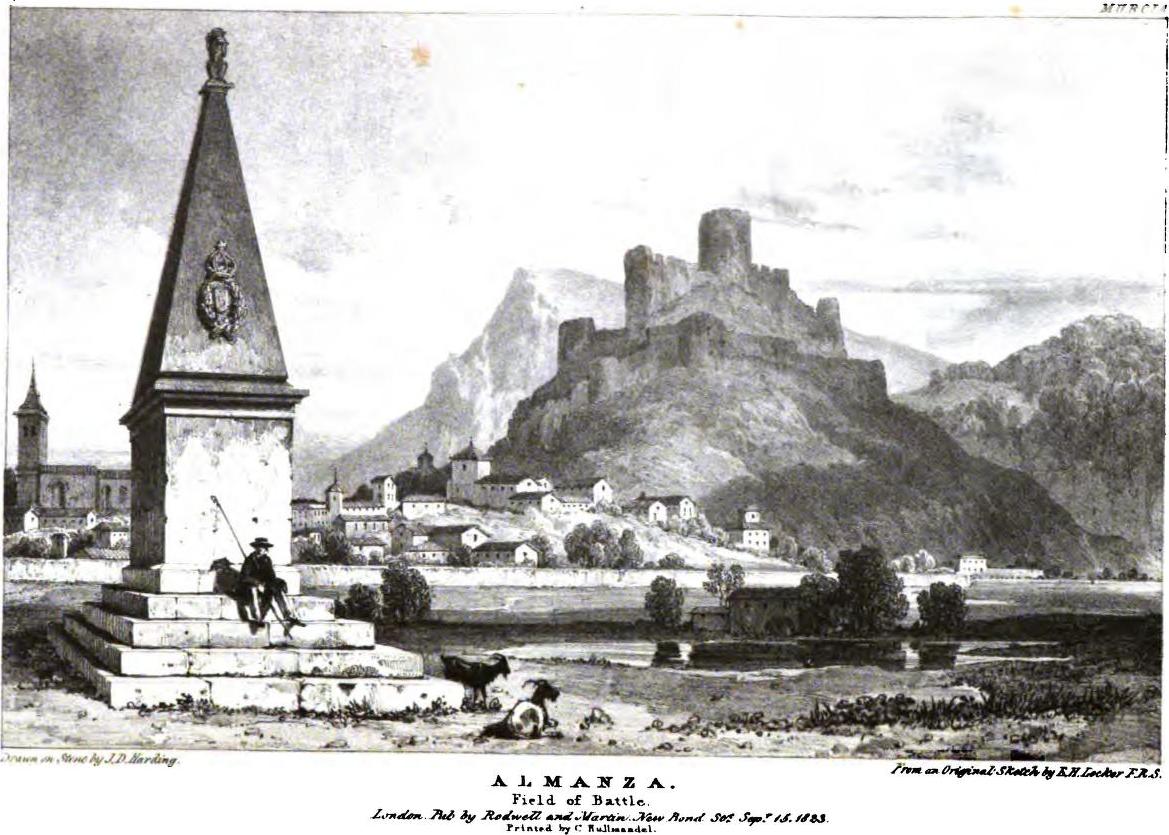
Almansa is built at the base of a white limestone outcrop and beneath a steep cliff that dominates the townscape. The settlement overlooks a fertile, irrigated plain that has supported agriculture for centuries. Within the municipal boundary lies the Sierra del Mugrón, a modest but ecologically significant range of hills offering natural habitats and local hiking routes.
History
The strategic position of Almansa has shaped its history from medieval times through the early modern period. A prominent feature is the medieval castle perched on the limestone escarpment, a reminder of Moorish and later Christian fortifications. On 25 April 1707 the nearby plain was the scene of the decisive Battle of Almansa during the War of the Spanish Succession. Commanded by the Duke of Berwick—an English-born leader and son of James II—the Franco-Spanish forces defeated an allied army of British, Portuguese and Spanish troops. An obelisk south of the town marks the battlefield and commemorates the event (obelisk).
Culture and festivals
Almansa maintains vibrant popular traditions. The most famous is the annual Moros y Cristianos celebration, held from 1 to 6 May, which dramatizes medieval conflicts between Muslim and Christian forces through parades, mock battles and elaborate costumes. The festival draws visitors and former residents back to the town, supporting local crafts, music and hospitality businesses.
Landmarks and architecture
- Castle of Almansa: A fortress on the cliff that illustrates the town's defensive past and offers panoramic views.
- Historic centre: Streets and churches reflecting centuries of civilian and religious architecture.
- Battle monument: The obelisk on the plain commemorates the 1707 engagement.
Visitors can follow marked routes between these sites and explore local museums and interpretation points that explain Almansa's layered heritage.
Administration, economy and significance
As a municipal centre, Almansa administers rural territory and small settlements in its vicinity and serves as a market and service hub for surrounding agricultural lands. Local economic activity combines agriculture, small industry and services tied to tourism. Its location near the provinces of Alicante and Valencia enhances commercial links, while the cultural calendar—especially the Moros y Cristianos—maintains Almansa's profile as a living example of Spain's regional traditions.
For further reading on topics such as the town's castle, the Battle of Almansa, regional geography and festivals, consult specialized local guides and heritage resources: Spanish context, municipal records, provincial information, Alicante relations, Valencia links, festival details, limestone geology, cliff formations, irrigation history, plain agriculture, battle monument, Berwick and James II.
Questions and answers
Q: What is Almansa?
A: Almansa is a Spanish town and municipality in the province of Albacete.
Q: What borders does Almansa have?
A: The municipality of Almansa borders with Alicante, Valencia and Murcia.
Q: What festival is celebrated in Almansa?
A: The Moros y Cristianos festival is celebrated in Almansa from the 1st to the 6th of May.
Q: Where is Almansa located?
A: Almansa is built at the foot of a white limestone cliff and it has a Moorish castle at the top. It is also situated in the middle of a fertile and irrigated plain.
Q: What happened during the Battle of Almansa?
A: During the Battle of Almansa, which was fought on 25 April 1707 during the War of Spanish Succession, Duke Berwick (the son of James II) defeated allied British, Portuguese and Spanish troops.
Q: Is there any reminder for people about this battle?
A: Yes, about 1 mile (1.6 km) south from town centre there's an obelisk to remind people about this battle.
Q: Is there anything else interesting around Almansa city limits?
A: Yes, Sierra del Mugrón can be found within city limits as well.
Tags
Related articles
Author
AlegsaOnline.com Almansa, Spain: town, history and cultural landmarks Leandro Alegsa
URL: https://en.alegsaonline.com/art/2892