
Dred Scott v. Sandford (1857): Decision, Context, and Legacy
Landmark 1857 U.S. Supreme Court case holding that people of African descent were not U.S. citizens and that Congress could not ban slavery in the territories; its rulings intensified sectional conflict.
Overview
Dred Scott v. Sandford (1857) was a watershed United States Supreme Court decision that addressed slavery, citizenship, and federal power. In a majority opinion written by Chief Justice Roger B. Taney, the Court held that people of African descent, whether enslaved or free, were not considered citizens under the Constitution and therefore lacked standing to sue in federal court. The opinion also concluded that Congress lacked authority to prohibit slavery in federal territories, a ruling that declared parts of the Missouri Compromise unconstitutional and intensified national tensions over slavery.
Image gallery
7 Images
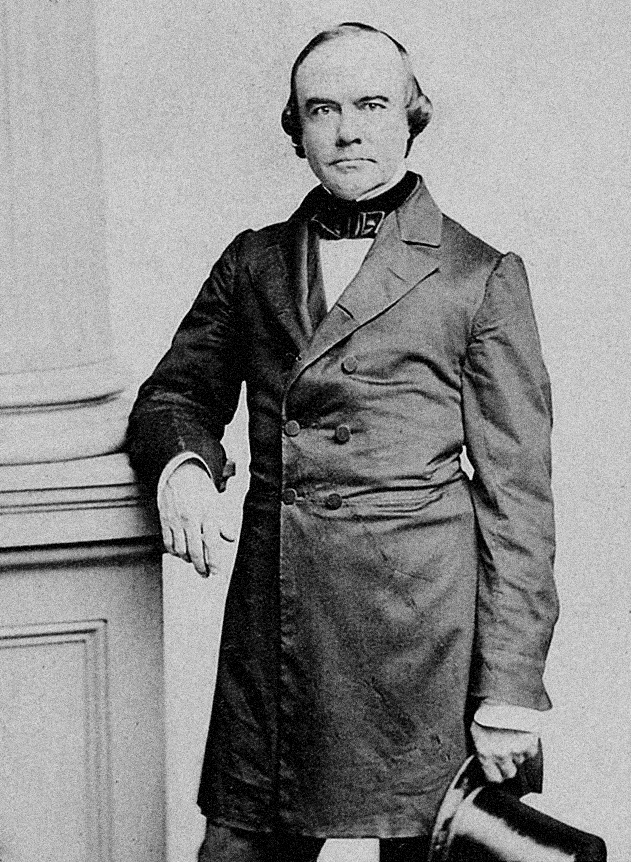


Facts and procedural history
Dred Scott was an African American man who had been held in slavery and who brought suit asserting that residence in free jurisdictions made him free. His claim grew out of years of litigation in Missouri state courts and lower federal courts before reaching the Supreme Court. The case name appears in reports as Dred Scott v. Sandford—a spelling produced by clerical inconsistency in the record. The dispute raised two central legal questions: whether Scott had standing as a citizen to sue in federal court, and whether Congress could regulate slavery in the territories.
The Court's reasoning
The majority opinion, authored by Taney, reasoned from a historical reading of the Constitution and the framers' intent to conclude that people of African descent were not included among the "people" who could claim the rights of citizenship at the national level. Because the Court found Scott could not be a citizen, it held he could not bring a federal suit. The Court further held that the federal government lacked power under the Constitution to prohibit slavery in the territories, striking down legislative limits established more than thirty years earlier. These holdings were explained in legal and historical terms that critics charged rested on sweeping and ideological foundations rather than narrow judicial analysis.
Reactions and political impact
The decision provoked immediate and deep controversy. Many in the North denounced the ruling as an extreme expansion of slaveholders' rights and an attack on free-soil principles. The ruling galvanized opponents of slavery, contributed to the realignment of political forces in the 1850s, and became a focal point in debates that shaped the 1860 presidential election and the growing sectional crisis. Prominent politicians and commentators criticized the Court's conclusions as legally unsound and morally objectionable.
Aftermath, reversal, and legacy
Although the Supreme Court's decision remained on the books, its central holdings were effectively undone by the events and amendments that followed. The Civil War and the passage of the 13th Amendment (abolishing slavery) and the 14th Amendment (defining citizenship and guaranteeing equal protection) superseded the Court's rulings on slavery and citizenship. Historians and legal scholars frequently cite the case as one of the most consequential and criticized decisions in American jurisprudence. Dred Scott himself was later emancipated and died within a few years of the ruling.
Key points and notable facts
- Decision year: 1857; majority opinion by Chief Justice Roger B. Taney. See notes on the opinion.
- Primary holdings: African Americans not national citizens and thus could not sue in federal court; Congress could not ban slavery in territories. Details.
- Political effect: The ruling intensified sectional tensions and influenced public debate during the 1850s. Contemporary reactions.
- Later change: The 13th and 14th Amendments curtailed the decision's legal effects. Constitutional amendments.
- Clerical note: The case title appears as "Sandford" due to a recording error; the defendant's name is sometimes given differently in historical documents. Name variations.
- Historical judgment: Widely regarded as a deeply flawed ruling and important for its role in accelerating the nation's move toward civil war. Historical assessments and scholarly critiques.
The Dred Scott decision remains a central subject in discussions of constitutional interpretation, federalism, civil rights, and the Supreme Court's role in national politics. Its legal reasoning and political consequences are studied as part of the broader narrative of how law, politics, and social values interacted in a period that led to profound constitutional and national change.
Questions and answers
Q: What was the Dred Scott v. Sandford case?
A: The Dred Scott v. Sandford case was a US Supreme Court landmark decision in March 1857, which ruled that blacks, whether slaves or free, were not citizens of the United States and could not sue in federal court.
Q: Why did Dred Scott bring his case to court?
A: Dred Scott brought his case to court because he claimed that he was free due to having lived in free territory.
Q: What happened after the Supreme Court's ruling?
A: After the Supreme Court's ruling denying Scott his freedom by ruling that blacks were not US citizens, Abraham Lincoln was elected and then the American Civil War began.
Q: How long had legal cases been going on before the Dred Scott decision?
A: Legal cases had been going on for 11 years from 1846 to 1857 before the Dred Scott decision.
Q: How long did Dred Scott have freedom for prior to this ruling?
A: Prior to this ruling, Dred Scott had freedom for about two years due to rulings from lower federal district court and Missouri courts.
Q: What has been said about this Supreme Court decision?
A: This Supreme Court decision has been condemned by many as being their worst decision ever made.
Q: What event led up to Abraham Lincoln becoming elected president of the United States?
A: The event leading up to Abraham Lincoln becoming elected president of the United States was the outcome of the Dred Scott case denying him his freedom by ruling that blacks were not US citizens.
Related articles
Author
AlegsaOnline.com Dred Scott v. Sandford (1857): Decision, Context, and Legacy Leandro Alegsa
URL: https://en.alegsaonline.com/art/28917
Sources
- commons.wikimedia.org : Dred Scott v. Sandford
- oxfordaasc.com : "Focus on Dred Scott v. Sandford"
- ushistory.org : "32a. The Dred Scott Decision"
- socialstudiesforkids.com : "The Missouri Compromise"
- ushistory.org : "23c. The Missouri Compromise"
- pbs.org : "Landmark Cases, Dred Scott v. Sandford (1857)"
- oyez.org : "DRED SCOTT v. SANDFORD"
- historicfortsnelling.org : "Dred Scott's Quarters"
- pbs.org : "Dred Scott's fight for freedom, 1846 - 1857"
- historyplace.com : "The Dred Scott Decision"
- answers.com : "How many US Supreme Court justices owned slaves?"
- teachushistory.org : "The Dred Scott Decision"
- loc.gov : "Missouri Compromise"
- mohistory.org : "The Dred Scott Case - Summary"
- search.cga.state.ct.us : "OLR Research Report"