
Draguignan — Subprefecture and commune in Var, Provence-Alpes-Côte d'Azur
Draguignan is a commune and subprefecture in the Var department of southeastern France, noted for its Provençal character, historical center, administrative role and nearby Mediterranean landscape.
Overview
Draguinhan (Occitan name) — commonly known in French as Draguignan — is a commune in the Var department, within the Provence-Alpes-Côte d'Azur region of southeastern France. It serves as a subprefecture and acts as a local centre for administration, services and commerce for the surrounding rural territory.
Image gallery
10 Images




Geography and climate
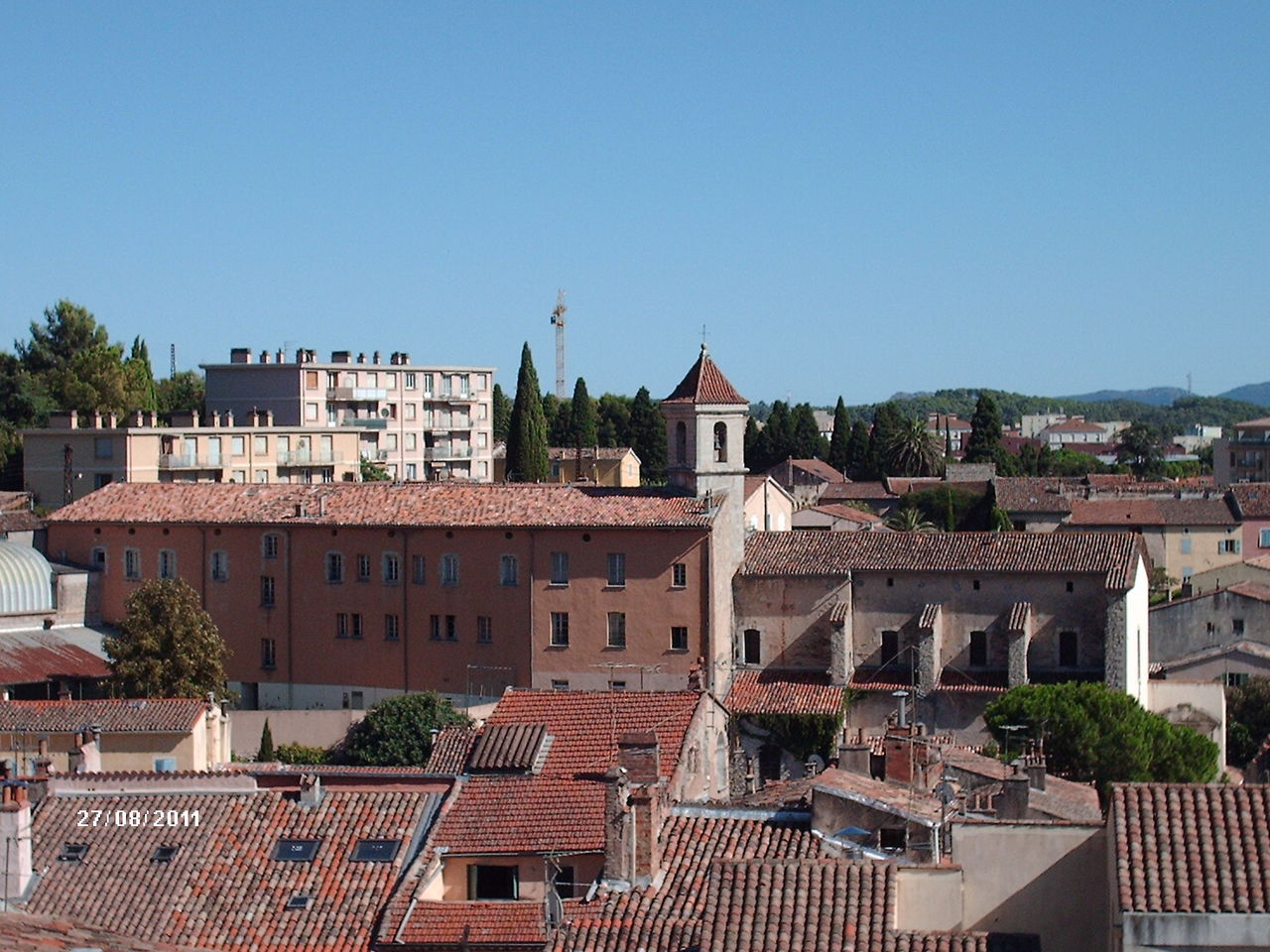
Draguignan lies inland from the Mediterranean coast amid rolling hills and limestone ridges typical of inland Provence. The town sits at the transition between cultivated plains and wooded uplands, making it a modest hub for nearby agricultural areas, vineyards and olive groves. The climate is Mediterranean: hot, dry summers and mild, wetter winters with local variation due to elevation.
History and development
The settlement has roots in the medieval period and expanded around a fortified centre. Over centuries it became the département's principal administrative town and retained important civic functions. Draguignan was long the seat of departmental administration until the prefecture was transferred in the 1970s; it has since remained an important subprefectural town with historic streets and public buildings.
Economy, institutions and culture
Local economy combines public administration, light industry, services, market agriculture and tourism. The town provides schools, markets and cultural facilities for the district. A national military presence and training establishments have also contributed to the local economy and identity. Traditional Provençal festivals, weekly markets and a modest museum scene reflect regional heritage.
Notable sites
- The historic old town with narrow lanes and stone houses, centered around the former fortified core.
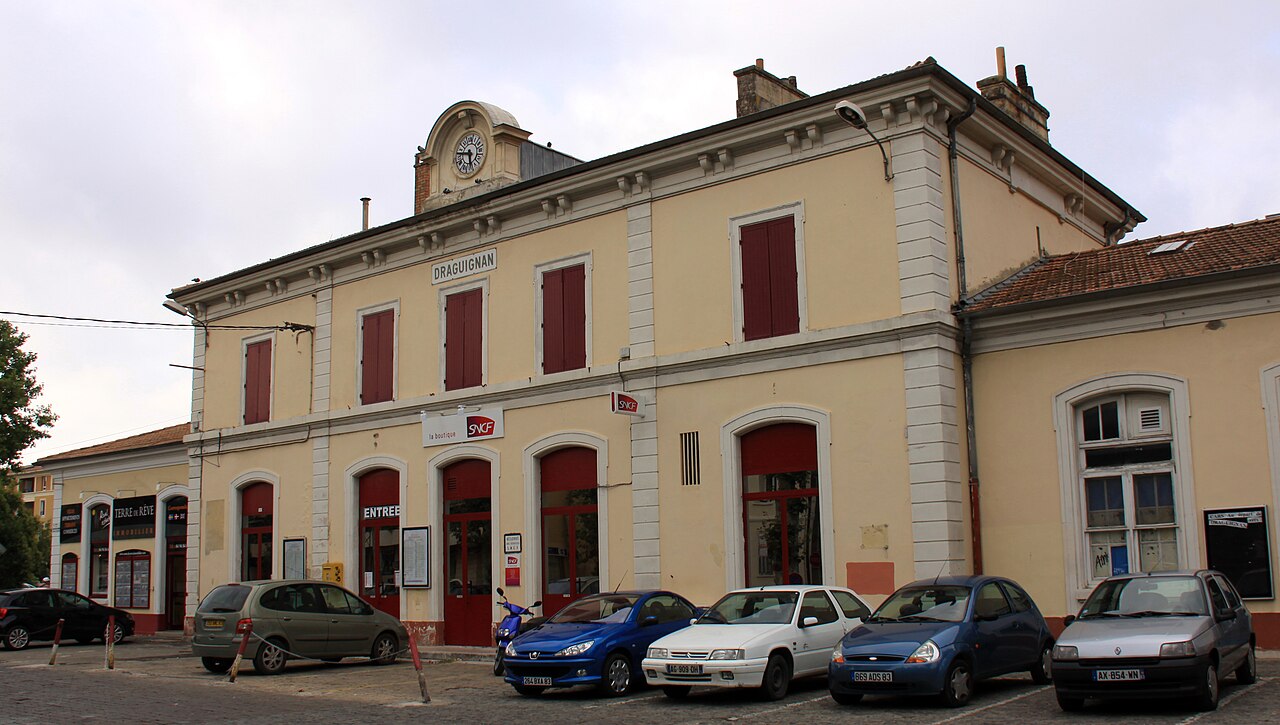
- Clock tower and civic monuments that mark the municipal skyline and past civic life.
- Local museums and cultural venues that present regional art, history and traditions.
- Access points for nearby natural areas and hiking routes in the surrounding hills.
Distinctive facts
Draguignan is often described as a gateway between the coastal Côte d'Azur and the more rural interior of Provence. Its Occitan name and Provençal character underline the region's linguistic and cultural layers, while its administrative role keeps it prominent among smaller French towns.
Questions and answers
Q: What is Draguignan?
A: Draguignan is a commune located in the Var department in the southeastern region of France.
Q: What is the official language of Draguignan?
A: The official language of Draguignan is French, but Occitan is also spoken.
Q: What is the population of Draguignan?
A: The population of Draguignan is not mentioned in the given text.
Q: What is the administrative status of Draguignan?
A: Draguignan is mentioned as a subprefecture of the Var department.
Q: Which region of France is Draguignan located in?
A: Draguignan is located in the Provence-Alpes-Côte d'Azur region of France.
Q: What is the climate like in Draguignan?
A: Information about the climate of Draguignan is not provided in the given text.
Q: What are some attractions in Draguignan?
A: Information about the attractions in Draguignan is not provided in the given text.
Related articles
Author
AlegsaOnline.com Draguignan — Subprefecture and commune in Var, Provence-Alpes-Côte d'Azur Leandro Alegsa
URL: https://en.alegsaonline.com/art/28857
Sources
- splaf.free.fr : "Historique du Var"
- insee.fr : "Comparateur de territoire - Commune de Draguignan (83050)"
- map-france.com : "Draguignan"
- annuaire-mairie.fr : "La ville de Draguignan"
- habitants.fr : "Var"