
Downtown São Paulo (Central Zone) — overview, history and key features
Central commercial and administrative district of São Paulo. Covers the Subprefeitura da Sé area, key neighborhoods, landmarks, transport hubs, economic role, history and urban challenges.
Overview
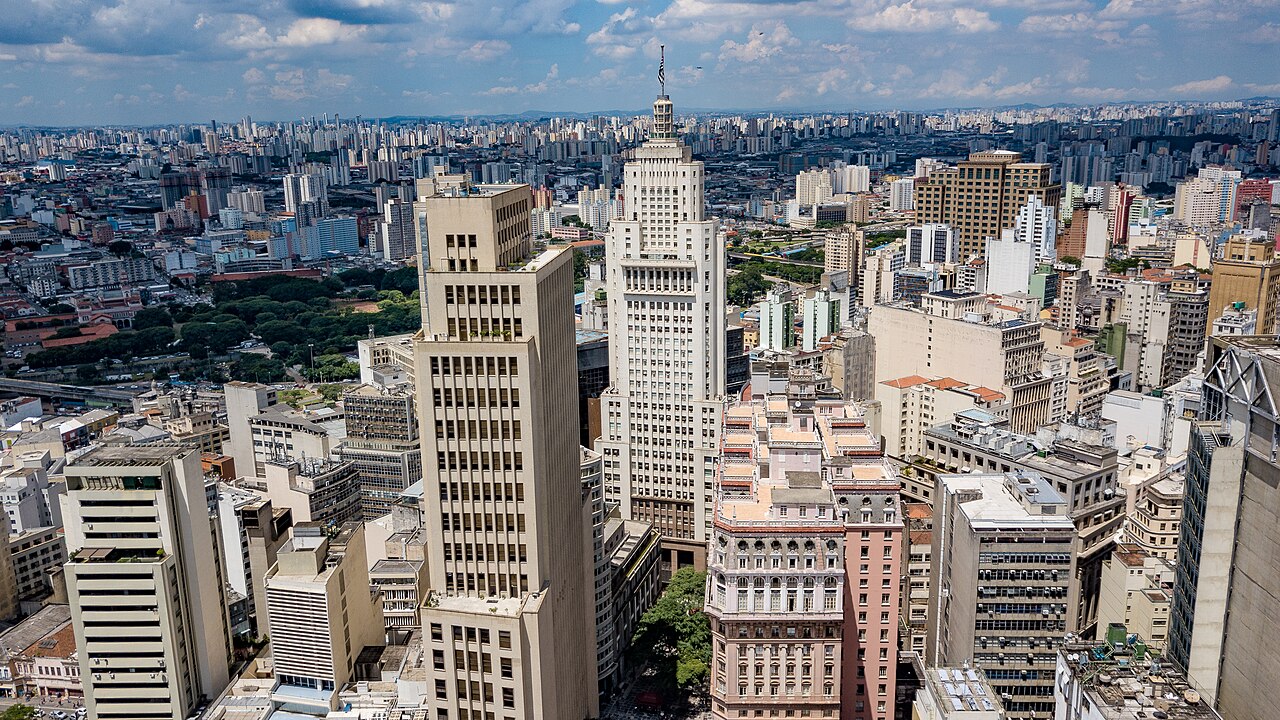
Downtown São Paulo, often called the Central Zone or simply the Centro, is the city's historic commercial core and one of its main business and transit hubs. The area is administered by the Subprefeitura da Sé and serves as a focal point for retail, wholesale trade, public administration and cultural institutions. For official information and services consult the municipal pages: Subprefeitura da Sé.
Image gallery
10 Images




Administrative boundaries and neighborhoods
The Central Zone encompasses a number of densely built neighborhoods and districts. Primary neighborhoods commonly included are:
- Bela Vista
- Bom Retiro
- Cambuci
- Consolação
- Aclimação
- Brás
- Liberdade
- República
- Sé
- Santa Cecília
Municipal planning sometimes uses broader definitions. An expanded notion of downtown used in urban projects can include adjacent subdistricts such as parts of Mooca, Lapa, Pinheiros and Vila Mariana; this broader footprint is often referred to in planning documents as the "Downtown Expanded" area.
History and development
Centuries ago the heart of São Paulo formed around the Praça da Sé and religious institutions; commercial growth accelerated in the late 19th and early 20th centuries with the arrival of railways and industrial activity. By the mid-20th century the central area had become a major financial and corporate concentration in Brazil. Historical accounts and studies note the prominence of the district in regional finance during the 1940s through the 1970s and its role in the broader economy of South America and Latin America (1940s reference, 1970s reference). The district's skyline and usage have continued to evolve since then as industries and offices relocated and as the city grew outward.
Landmarks, transport and cultural sites
Centro contains many of the city's best-known landmarks and transport hubs. Important squares, historic buildings, theaters and churches populate the area, and major rail and metro stations—such as Sé and Luz—make it the focal point of urban mobility. Visitors and residents will find dense pockets of retail (including traditional shopping streets and wholesale corridors), civic institutions and cultural venues that reflect the city's layered past and immigrant influences. For rail, metro and station histories see regional resources: regional transport context and broader urban transport references.
Economy, daily life and uses
Downtown São Paulo mixes uses: office buildings and financial institutions coexist with small retail shops, street markets, wholesale warehouses and informal commerce. Neighborhoods such as Bom Retiro are known for textiles and garment trade, while Rua 25 de Março and surrounding streets are famous for dense retail and bargain shopping. The area also concentrates municipal services, courthouses and corporate offices, making it a daily destination for commuters from across the metropolitan region.
Urban challenges and distinctions
Like many historic centers, the district faces challenges of conservation, congestion, safety and social inclusion. City authorities and civil society periodically implement revitalization, heritage protection and social programs aimed at balancing economic activity with improved public space and housing conditions. It is important to distinguish the municipal "Centro" from narrower notions such as the "Historic Center" (which refers specifically to the oldest urban fabric) and broader constructs like the "Downtown Expanded," which are used for planning and redevelopment initiatives.
This article provides a concise introduction to Downtown São Paulo, its composition, historical role and present-day functions. For further reading consult municipal resources and academic studies on the city's central area and urban development: administration, historical overview, mid-century studies, regional context and transport and planning.
Questions and answers
Q: What is Downtown São Paulo?
A: Downtown São Paulo is a commercial district and the third major central business district of São Paulo.
Q: What neighborhoods are encompassed by the region?
A: The region encompasses the neighborhoods and districts of Bela Vista, Bom Retiro, Cambuci, Consolação, Aclimação, Bras, Liberdade, República, Sé and Santa Cecília.
Q: What is the Subprefeitura da Sé?
A: The Subprefeitura da Sé is the administrative authority for the Downtown São Paulo region.
Q: What is the difference between Downtown Expanded and the Historic Center of São Paulo?
A: Downtown Expanded is a region that includes parts of the subdistricts of Mooca, Lapa, Pinheiros and Vila Mariana, while the Historic Center of São Paulo includes only the oldest part of the central region.
Q: Was Downtown São Paulo ever one of the largest financial districts in South America?
A: Yes, the region was one of the largest financial districts in South America and Latin America from the 1940s to the 1970s.
Q: What is the main purpose of Downtown São Paulo?
A: The main purpose of Downtown São Paulo is commerce and business, as it is a central business district.
Q: What is the role of the city government with regards to Downtown São Paulo?
A: The city government is involved with actions urban planning for Downtown São Paulo and occasionally uses the term "Downtown Expanded" to refer to certain parts of the region.
Related articles
Author
AlegsaOnline.com Downtown São Paulo (Central Zone) — overview, history and key features Leandro Alegsa
URL: https://en.alegsaonline.com/art/28791